Joint pain can make walking, climbing stairs, working, and enjoying everyday activities difficult. Moreover, severe joint damage can continue to affect your mobility even after medicines and physiotherapy provide limited relief. Therefore, patients searching for Long-Lasting Joint Implants In Nagpur should consult an experienced orthopedic specialist for a detailed evaluation. In addition, modern joint replacement planning can help doctors select suitable implants according to your anatomy, activity level, and treatment goals. However, no implant lasts forever for every patient. As a result, careful planning, appropriate implant selection, surgical expertise, and long-term joint care can support better functional outcomes.
What Are Joint Implants?
Joint implants replace damaged joint surfaces with artificial components during replacement surgery. Moreover, surgeons commonly use implants for severely damaged knees, hips, and other joints when symptoms significantly affect daily life. Therefore, your orthopedic specialist evaluates the damaged joint before recommending replacement. In addition, the doctor considers bone quality, joint alignment, activity level, age, overall health, and treatment history. However, every patient has different requirements. As a result, your surgeon should select an implant and surgical approach that match your individual condition.
Long-lasting joint implants in Nagpur
What Makes A Joint Implant Long-Lasting?
Several factors can influence how long a joint implant functions effectively. Moreover, implant design and material quality play an important role in long-term performance. Therefore, surgeons also consider accurate implant positioning, appropriate sizing, joint balance, and the patient’s anatomy. In addition, body weight, activity level, muscle strength, and overall health can affect implant performance. However, even a high-quality implant cannot guarantee a specific lifespan. As a result, personalized surgical planning and sensible long-term activity can help support the function of your replacement joint.
Who May Need Joint Replacement?
Doctors may recommend joint replacement when severe damage causes persistent pain and limits normal activities. Moreover, specialists usually consider non-surgical treatments when they can provide meaningful relief. Therefore, joint replacement may become an option when symptoms continue despite appropriate conservative care. In addition, your doctor may evaluate:
- Advanced arthritis
- Severe cartilage damage
- Significant joint degeneration
- Persistent joint pain
- Restricted movement
- Joint deformity
- Difficulty walking
- Previous joint injuries
- Failed conservative treatment
However, only a detailed orthopedic assessment can determine whether joint replacement suits your condition.
Long-Lasting Knee Implants
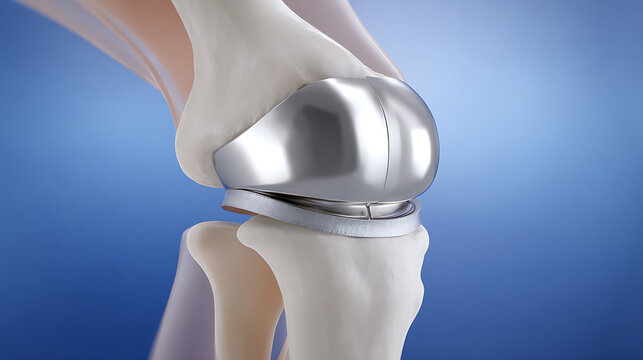
Knee replacement can help suitable patients manage severe arthritis and advanced joint damage. Moreover, modern knee implants come in different designs and sizes to accommodate individual anatomical requirements. Therefore, your surgeon considers the condition of your knee, bone structure, ligament balance, and activity needs before choosing an implant. In addition, accurate positioning can support appropriate joint movement and load distribution. However, implant longevity depends on several factors beyond implant selection. As a result, proper surgery, rehabilitation, healthy activity, and follow-up care all contribute to long-term knee function.
Long-Lasting Hip Implants
Hip replacement can restore movement for patients with severe hip joint damage. Moreover, hip implants include components that replace the damaged joint surfaces and support functional movement. Therefore, your orthopedic surgeon considers hip anatomy, bone quality, implant design, and activity requirements during planning. In addition, appropriate component positioning can support joint stability and movement. However, individual recovery and implant longevity can vary considerably. As a result, regular follow-up and suitable activity choices can help you protect your replacement hip over time.
How Doctors Choose A Joint Implant
Implant selection requires careful consideration rather than choosing a product based only on brand or price. Moreover, your surgeon evaluates the joint damage, bone condition, anatomy, activity level, and expected functional requirements. Therefore, the doctor can compare suitable implant designs and materials for your specific case. In addition, the surgeon considers surgical technique and long-term maintenance requirements. However, one implant does not suit every patient. As a result, personalized implant selection can help create a treatment plan that addresses your individual needs.
Implant Materials And Design
Modern joint implants use specialized materials designed to provide durability and smooth joint movement. Moreover, manufacturers develop different implant combinations for specific joints and surgical requirements. Therefore, your surgeon selects the appropriate components according to your anatomy and clinical needs. In addition, implant design can influence movement, stability, and contact between components. However, material alone does not determine implant longevity. As a result, implant quality must work together with accurate positioning, surgical technique, rehabilitation, and appropriate long-term care.
Long-lasting joint implants in Nagpur
Importance Of Accurate Implant Positioning
Correct implant positioning plays an important role in joint replacement. Moreover, the surgeon must consider alignment, component size, soft-tissue balance, and joint mechanics. Therefore, careful planning can help support stable and functional joint movement. In addition, surgeons may use imaging, digital planning, computer-assisted systems, or robotic technology in selected cases. However, technology does not replace surgical judgment. As a result, experienced clinical decision-making remains essential when the surgeon plans and performs joint replacement.
Computer-Assisted Joint Replacement
Computer-assisted systems can provide additional information during selected replacement procedures. Moreover, these systems can help surgeons review measurements related to alignment and implant positioning. Therefore, computer assistance may support precision during suitable operations. In addition, surgeons can combine digital information with direct clinical assessment during surgery. However, not every patient needs computer-assisted technology. As a result, your orthopedic specialist should recommend this approach only when it offers value for your particular joint and surgical requirements.
Long-lasting joint implants in Nagpur
Robotic-Assisted Joint Replacement
Robotic-assisted surgery can support planning and execution during selected knee and hip replacement procedures. Moreover, robotic systems can provide detailed anatomical information and help the surgeon follow a planned surgical strategy. Therefore, the surgeon can use this technology to support accurate bone preparation and implant positioning. In addition, robotic systems can provide measurements that assist surgical decision-making. However, a robot does not independently perform the operation. As a result, the orthopedic surgeon remains responsible for planning, decisions, and execution throughout the procedure.
Benefits Of Long-Lasting Joint Implants
A durable joint implant can provide meaningful functional benefits for suitable patients. Moreover, successful replacement can reduce pain and support everyday movement. Therefore, potential benefits may include:
- Reduced joint pain
- Improved walking ability
- Better joint movement
- Improved daily function
- Greater independence
- Better tolerance for suitable activities
- Improved mobility
- Support for an active lifestyle
However, results vary between patients. As a result, your overall health, surgical technique, implant selection, rehabilitation, and lifestyle can influence your outcome.
Implant Longevity And Physical Activity
Physical activity can influence the long-term performance of a joint replacement. Moreover, appropriate low-impact activities can support muscle strength and general fitness. Therefore, your doctor may recommend activities such as walking, swimming, or cycling after recovery. In addition, strong muscles can support joint function and movement. However, high-impact activities may increase stress on some joint replacements. As a result, follow your orthopedic specialist’s activity recommendations and gradually increase exercise after receiving appropriate clearance.
Long-lasting joint implants in Nagpur
Role Of Body Weight In Implant Longevity
Body weight can influence the load that a replacement joint experiences during daily movement. Moreover, weight-bearing joints such as the knee and hip handle substantial forces during walking and climbing stairs. Therefore, maintaining a healthy body weight can help manage stress on the replacement joint. In addition, regular suitable exercise can support muscle strength and overall fitness. However, patients should follow individualized advice rather than adopt sudden or extreme weight-loss programs. As a result, sustainable lifestyle habits can support long-term joint health.
Preparing For Joint Replacement Surgery
Good preparation can help you approach joint replacement with greater confidence. Moreover, your medical team may review your medical history, medicines, allergies, previous surgeries, and current health. Therefore, provide complete information during your consultation. In addition, your doctor may recommend blood tests, imaging, physical preparation, or other assessments. However, preparation requirements vary according to the procedure and your health. As a result, following your healthcare team’s instructions can help you prepare for surgery and recovery.
Book An Appointment For Long-Lasting Joint Implants In Nagpur
Severe joint pain can affect your independence and everyday comfort. Moreover, appropriate joint replacement can help suitable patients improve mobility when other treatments no longer provide enough relief. Therefore, patients searching for Long-Lasting Joint Implants In Nagpur should schedule a consultation with a qualified orthopedic specialist. In addition, bring your previous X-rays, MRI reports, prescriptions, and medical records if available. However, your surgeon should recommend an implant only after evaluating your individual joint condition and treatment goals. As a result, personalized planning can help you understand your options and prepare for a confident treatment journey.
Long-lasting joint implants in Nagpur
Frequently Asked Questions (FAQ)