Asian Institute Of Advanced Surgeries

Robotic surgery benefits in Nagpur

Dr. Abhishek Bhalotia
MS Ortho, Fellow Joint Replacement (Hyd, UK)
Robotic Joint Replacement Surgeon
Dr. Abhishek Bhalotia is a highly skilled orthopedic and joint replacement surgeon based in Gondia, Maharashtra. He holds an MBBS and MS has completed advanced fellowship training in joint replacement techniques, including training in Hyderabad and London, UK.
Introducing robotic-assisted hip and knee replacement surgeries in his region and has performed over 2k joint replacement procedures, helping many patients regain mobility and reduce pain. He is the Founder Director of United Super Specialty Hospital & Trauma Centre, where he provides advanced orthopedic care with a focus on precision, innovation & compassionate treatment.
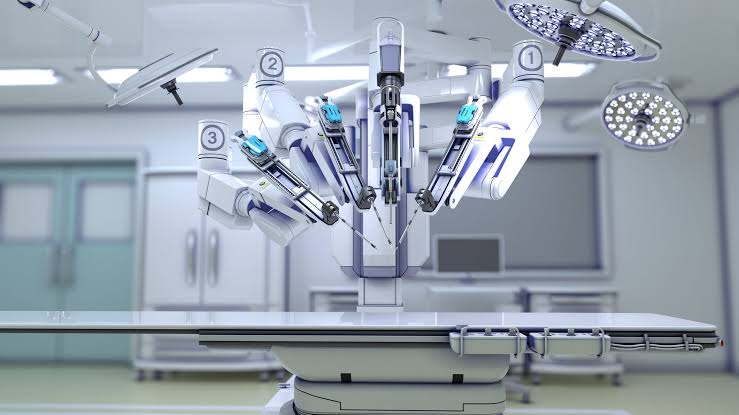
Modern orthopedic care combines surgical expertise with advanced technology to support accurate treatment planning. Moreover, robotic systems can assist surgeons during selected joint replacement procedures by providing detailed planning and intraoperative guidance. Therefore, patients searching for Robotic Surgery Benefits In Nagpur should first understand how this technology works and whether it suits their condition. In addition, a qualified orthopedic specialist can evaluate your joint damage, mobility, health, and treatment goals. However, robotic technology does not replace the surgeon’s experience or clinical judgment. As a result, the right combination of technology, surgical expertise, and rehabilitation can support a personalized treatment journey.
What Is Robotic Surgery?
Robotic surgery uses specialized computer-assisted technology to help surgeons plan and perform selected procedures. Moreover, the surgeon remains in control throughout the operation and uses the system as a surgical aid. Therefore, robotic assistance does not mean that a robot performs the surgery independently. In addition, advanced planning tools can help the surgeon assess joint anatomy and plan implant positioning. However, not every patient or procedure requires robotic assistance. As a result, your orthopedic specialist should determine whether robotic technology offers meaningful advantages for your specific condition.
How Does Robotic Surgery Work?
Robotic-assisted orthopedic surgery begins with detailed assessment and surgical planning. Moreover, imaging and computer software can help create a personalized plan for selected procedures. Therefore, the surgeon can review joint alignment, bone anatomy, and implant positioning before surgery. In addition, the technology can provide guidance during the procedure according to the planned approach. However, the surgeon makes the important clinical decisions throughout treatment. As a result, robotic assistance can support controlled and individualized surgical execution when appropriate.
Key Robotic Surgery Benefits In Nagpur
Robotic-assisted surgery can offer several potential advantages for carefully selected orthopedic patients. Moreover, these benefits depend on the procedure, technology, surgeon, and individual patient factors. Therefore, potential benefits may include:
- Detailed surgical planning
- Personalized implant positioning
- Computer-assisted alignment guidance
- Consistent execution of the surgical plan
- Accurate assessment of joint anatomy
- Support for soft-tissue balancing in selected procedures
- Personalized treatment planning
- Technology-assisted surgical guidance
In addition, your orthopedic specialist can explain which benefits apply to your particular condition. As a result, patients can make better-informed treatment decisions.
Precision In Surgical Planning
Accurate planning plays an important role in joint replacement surgery. Moreover, computer-assisted systems can help surgeons analyze individual joint anatomy before the procedure. Therefore, the surgeon can create a treatment plan that considers alignment and implant positioning. In addition, the technology can provide information during surgery to help guide the planned approach. However, technology alone cannot guarantee a specific outcome. As a result, experienced surgical judgment remains essential for achieving appropriate treatment goals.
Personalized Implant Positioning
Implant positioning can influence joint function and surgical planning. Moreover, robotic-assisted systems can help surgeons plan implant placement according to the patient’s anatomy. Therefore, the surgeon can use computer-generated information to support positioning decisions during selected joint replacement procedures. In addition, this approach may help the surgeon follow a personalized surgical plan. However, individual anatomy and clinical factors can affect the final positioning strategy. As a result, robotic implant planning should complement, rather than replace, professional surgical judgment.
Improved Alignment Guidance
Proper alignment represents an important consideration during many joint replacement procedures. Moreover, robotic technology can provide computer-assisted information about alignment during selected surgeries. Therefore, surgeons can use this information while making decisions during the procedure. In addition, personalized planning can help account for differences in joint anatomy. However, the ideal alignment strategy can vary between patients and procedures. As a result, your surgeon should select the approach that best matches your anatomy and functional requirements.
Support For Soft-Tissue Balancing
Soft-tissue balance can influence knee function after joint replacement. Moreover, surgeons consider ligaments and surrounding tissues when planning selected knee procedures. Therefore, robotic systems may provide information that helps the surgeon assess alignment and balance during surgery. In addition, this information can support adjustments according to the surgical plan. However, the surgeon still evaluates the patient’s anatomy and clinical findings directly. As a result, robotic assistance can serve as an additional tool during carefully planned procedures.
Potential For Accurate Bone Preparation
Robotic-assisted technology can help guide bone preparation during selected joint replacement procedures. Moreover, computer-assisted planning can provide the surgeon with detailed information before and during surgery. Therefore, the surgeon can use the system to support the planned bone preparation strategy. In addition, technology can help maintain consistency with the selected surgical plan. However, the exact technique varies according to the patient’s anatomy and procedure. As a result, patients should discuss the expected role of robotic assistance with their orthopedic surgeon.
Smaller Surgical Approach: What Patients Should Know
Patients often associate robotic surgery with smaller incisions. However, incision size depends on the specific procedure, surgical technique, patient anatomy, and surgeon preference. Moreover, robotic assistance does not automatically guarantee a smaller incision or faster healing. Therefore, patients should focus on the complete treatment plan rather than one technological feature. In addition, the surgeon can explain the expected incision, recovery, and rehabilitation requirements during consultation. As a result, realistic expectations can help patients understand the actual benefits of robotic-assisted surgery.
Robotic Knee Replacement
Robotic-assisted knee replacement can help surgeons plan and execute selected knee replacement procedures with computer-assisted guidance. Moreover, the technology can provide information about joint anatomy, alignment, and implant positioning. Therefore, surgeons can develop a personalized plan before surgery. In addition, intraoperative guidance can support adjustments according to the patient’s anatomy. However, not every knee replacement requires robotic assistance. As a result, an orthopedic evaluation can determine whether robotic knee replacement represents an appropriate option for you.
Book A Consultation For Robotic Surgery Benefits In Nagpur
If joint pain limits your walking, work, exercise, or daily activities, an orthopedic consultation can help identify suitable treatment options. Moreover, your specialist can evaluate your joint condition and discuss whether robotic-assisted surgery could benefit you. Therefore, patients searching for Robotic Surgery Benefits In Nagpur should schedule a detailed consultation before making a treatment decision. In addition, bring previous X-rays, MRI reports, prescriptions, and medical records when available. However, your surgeon should make the final treatment recommendation after evaluating your individual condition. As a result, you can approach treatment with clearer expectations and a personalized plan.
Frequently Asked Questions (FAQ)
Q1. What is robotic surgery?
Robotic surgery uses computer-assisted technology to help surgeons plan and perform selected procedures.
Q2. Does a robot perform the surgery?
No. Moreover, the surgeon controls the procedure and uses the robotic system as a surgical aid.
Q3. What are the benefits of robotic surgery?
Potential benefits include detailed planning, alignment guidance, and support for personalized implant positioning.
Q4. Can robotic surgery improve implant positioning?
It can help surgeons plan and guide implant positioning during selected joint replacement procedures.
Q5. Is robotic knee replacement suitable for everyone?
No. Therefore, your orthopedic surgeon must assess your condition before recommending it.
Q6. Can robotic surgery reduce recovery time?
Recovery varies. However, robotic assistance alone does not guarantee faster recovery.