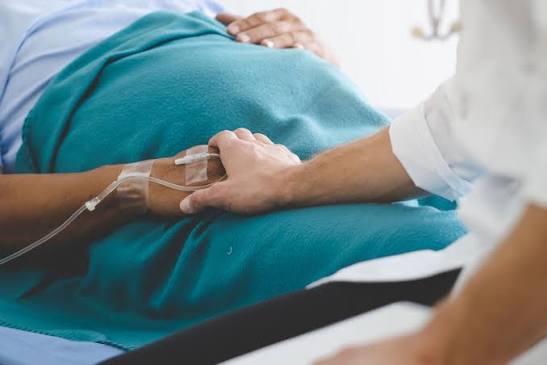
Pain after surgery can make movement, sleep, exercise, and daily activities uncomfortable. Moreover, some pain and swelling can occur during normal healing, while severe or unusual symptoms may require medical attention. Therefore, patients searching for Post-Operative Pain Treatment In Nagpur should consult their surgical or medical team for appropriate evaluation. In addition, a personalized pain-management plan can consider the type of surgery, pain intensity, medicines, mobility, and recovery stage. However, patients should not change prescribed medicines without professional advice. As a result, timely assessment and appropriate pain control can support a more comfortable recovery.
What Is Post-Operative Pain Treatment? | Post-operative pain treatment in Nagpur
Post-operative pain treatment focuses on managing discomfort after a surgical procedure while supporting safe recovery. Moreover, doctors may combine different approaches according to the patient’s surgery, health, and pain level. Therefore, treatment may include prescribed medicines, physical measures, activity guidance, wound care, and rehabilitation when appropriate. In addition, your healthcare team can monitor your response and adjust the plan when necessary. However, pain treatment should always follow professional instructions. As a result, an individualized approach can help you manage discomfort while you continue your recovery.
Why Does Pain Occur After Surgery?
Surgery involves changes to tissues that can cause temporary pain, swelling, and tenderness during healing. Moreover, the intensity of discomfort can vary according to the procedure and individual response. Therefore, your doctor may ask about pain location, intensity, timing, and activities that increase discomfort. In addition, factors such as movement, wound condition, sleep, and rehabilitation can influence how you feel. However, increasing or unexpected pain can sometimes indicate a complication. As a result, communicate significant changes to your healthcare team promptly.
Common Causes Of Post-Operative Pain
Several factors can contribute to discomfort after surgery. Moreover, different patients can experience different symptoms during recovery. Therefore, post-operative pain may relate to:
- Surgical tissue irritation
- Swelling around the operated area
- Muscle stiffness
- Reduced movement
- Physical activity during recovery
- Wound discomfort
- Muscle weakness
- Rehabilitation exercises
- Nerve irritation in selected cases
In addition, your healthcare professional can determine whether your symptoms match the expected recovery pattern. As a result, appropriate evaluation can guide the next step.
Symptoms You Should Discuss With Your Doctor
Some discomfort can accompany recovery, but certain symptoms require prompt medical advice. Moreover, changes in pain can provide important information about your recovery. Therefore, contact your healthcare team if you notice:
- Increasing or severe pain
- Pain that suddenly worsens
- New swelling
- Increasing redness around the wound
- Wound discharge
- Fever
- Significant weakness
- New numbness
- Difficulty moving the affected area
- Pain that prevents normal recovery activities
In addition, follow the specific warning signs your surgical team provides. As a result, early communication can help your doctor assess potential problems promptly.
How Doctors Assess Post-Operative Pain
Your doctor can begin with a detailed discussion about your symptoms and recovery. Moreover, the specialist may ask when the pain started, where you feel it, and how strongly it affects your activities. Therefore, the evaluation may include examination of the surgical area, movement, swelling, strength, and other relevant findings. In addition, your doctor may order tests when symptoms suggest a complication or another underlying problem. However, not every patient requires additional testing. As a result, focused assessment can help your healthcare team choose an appropriate pain-management strategy.
Medication-Based Pain Management
Doctors may recommend medication to manage post-operative discomfort when appropriate. Moreover, the choice depends on the surgery, medical history, allergies, other medicines, and pain level. Therefore, follow the exact instructions provided by your healthcare professional. In addition, tell your doctor about all medicines and supplements you currently take. However, avoid self-medicating or changing doses without professional guidance. As a result, appropriate medication use can help control pain while reducing avoidable medication-related risks.
Non-Medication Pain Management | Post-operative pain treatment in Nagpur
Pain management can involve more than medicines. Moreover, your healthcare team may recommend practical measures according to your procedure and recovery stage. Therefore, your plan may include:
- Appropriate rest
- Gradual movement
- Physiotherapy
- Positioning guidance
- Prescribed exercises
- Cold or heat measures when appropriate
- Relaxation techniques
- Sleep-support strategies
- Activity modification
In addition, follow procedure-specific instructions from your medical team. As a result, combining suitable approaches can support comfortable and controlled recovery.
Physiotherapy After Surgery
Physiotherapy can help restore movement and function after selected orthopedic procedures. Moreover, surgery and temporary inactivity can reduce muscle strength and joint mobility. Therefore, a physiotherapist may introduce exercises according to your procedure and recovery stage. In addition, rehabilitation can focus on strength, flexibility, balance, walking, and functional movement. However, exercises should match your surgical restrictions and medical instructions. As a result, structured physiotherapy can support gradual improvements in mobility and everyday function.
Pain Management After Knee Surgery
Knee surgery can cause temporary pain, swelling, stiffness, and reduced movement. Moreover, effective recovery often requires appropriate pain management alongside rehabilitation. Therefore, your healthcare team may guide medication, movement, exercises, walking, and activity progression. In addition, physiotherapy can help restore knee mobility and muscle strength when appropriate. However, severe or worsening symptoms require medical assessment. As a result, coordinated post-operative care can support a smoother knee recovery.
Pain Management After Hip Surgery
Hip procedures can affect walking, sitting, sleeping, and lower-body movement during early recovery. Moreover, patients may experience discomfort while they gradually increase activity. Therefore, your medical team can guide pain management, walking, exercises, and daily movement according to the procedure. In addition, physiotherapy can support strength, balance, and functional mobility. However, you should follow any weight-bearing and movement restrictions carefully. As a result, personalized care can help you progress safely through hip recovery.
Book An Appointment For Post-Operative Pain Treatment In Nagpur
Persistent or difficult-to-control pain can make surgical recovery more challenging. Moreover, appropriate assessment can help your healthcare team determine whether your symptoms match your expected recovery or require additional evaluation. Therefore, if you are searching for Post-Operative Pain Treatment In Nagpur, schedule a consultation with a qualified healthcare professional. In addition, bring your discharge summary, prescriptions, medical reports, imaging results, and details about your surgery when available. However, seek urgent medical care for severe or rapidly worsening symptoms according to your surgical team’s instructions. As a result, timely professional guidance can help you move forward with greater confidence.
Frequently Asked Questions (FAQ)
Post-operative pain treatment in Nagpur
Post-operative pain treatment in Nagpur