Asian Institute Of Advanced Surgeries

Post-surgery rehabilitation in Nagpur

Dr. Abhishek Bhalotia
MS Ortho, Fellow Joint Replacement (Hyd, UK)
Robotic Joint Replacement Surgeon
Dr. Abhishek Bhalotia is a highly skilled orthopedic and joint replacement surgeon based in Gondia, Maharashtra. He holds an MBBS and MS has completed advanced fellowship training in joint replacement techniques, including training in Hyderabad and London, UK.
Introducing robotic-assisted hip and knee replacement surgeries in his region and has performed over 2k joint replacement procedures, helping many patients regain mobility and reduce pain. He is the Founder Director of United Super Specialty Hospital & Trauma Centre, where he provides advanced orthopedic care with a focus on precision, innovation & compassionate treatment.
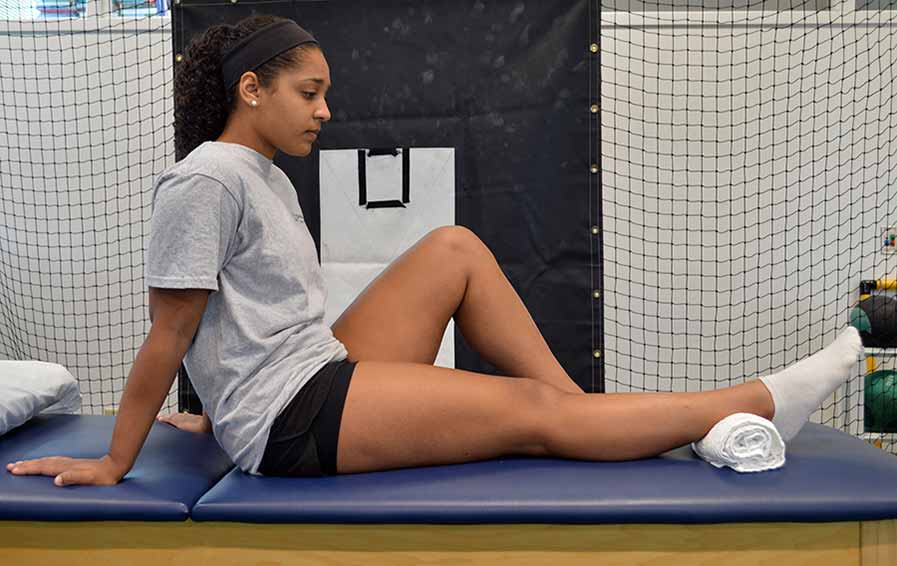
Surgery can address the underlying problem, but recovery continues after the operation. Moreover, pain, stiffness, weakness, and reduced mobility can make normal activities challenging during the healing period. Therefore, patients looking for Post-Surgery Rehabilitation In Nagpur can benefit from a structured rehabilitation program designed around their procedure and recovery goals. In addition, physiotherapy can help improve strength, flexibility, balance, movement, and functional ability. However, every patient follows a different recovery path. As a result, professional assessment and personalized rehabilitation can help you progress safely toward everyday activities.
What Is Post-Surgery Rehabilitation?
Post-surgery rehabilitation combines guided exercises, movement training, functional activities, and recovery education after an operation. Moreover, the program focuses on restoring physical abilities that surgery or inactivity may temporarily affect. Therefore, a physiotherapist evaluates your strength, movement, pain, flexibility, balance, and functional limitations before creating your plan. In addition, the therapist can coordinate rehabilitation with your surgeon’s recommendations. However, the exact program depends on the surgery, your health, and your recovery stage. As a result, personalized rehabilitation can provide a clear pathway toward improved movement and independence.
Why Is Rehabilitation Important After Surgery?
Surgery can temporarily reduce muscle strength and joint mobility. Moreover, patients may change the way they walk or move because of pain or protective restrictions. Therefore, appropriate rehabilitation can help restore normal movement patterns and physical function. In addition, targeted exercises can strengthen supporting muscles and improve coordination. However, recovery requires gradual progression rather than excessive exercise. As a result, following a structured program can help you regain confidence while respecting the healing process.
Who Needs Post-Surgery Rehabilitation?
Many patients can benefit from rehabilitation after orthopedic and musculoskeletal procedures. Moreover, surgery can affect movement differently depending on the body part and procedure. Therefore, your doctor or physiotherapist may recommend rehabilitation after:
- Knee replacement
- Hip replacement
- ACL reconstruction
- Meniscus surgery
- Shoulder arthroscopy
- Rotator cuff repair
- Fracture fixation
- Joint surgery
- Ligament reconstruction
- Selected sports injury procedures
In addition, rehabilitation can help patients return to work, daily activities, exercise, or sports according to their recovery goals.
When Should Rehabilitation Start After Surgery?
The appropriate rehabilitation start time depends on your surgery and medical condition. Moreover, some procedures allow gentle movement soon after surgery, while others require a period of protection. Therefore, your surgeon and physiotherapist should determine when you can begin specific exercises. In addition, early rehabilitation may focus on safe movement, swelling management, muscle activation, or basic functional tasks when appropriate. However, patients should not begin exercises independently without understanding their surgical restrictions. As a result, professional guidance can help you progress without placing unnecessary stress on healing tissues.
Initial Post-Surgery Assessment
A detailed assessment helps your physiotherapist understand your current physical abilities. Moreover, the therapist may review your surgery, medical history, symptoms, restrictions, medications, and previous rehabilitation. Therefore, the assessment can include joint movement, muscle strength, balance, walking ability, posture, and functional activities. In addition, your therapist can identify movements that require additional support or modification. However, the assessment will vary according to your procedure. As a result, the findings can guide a rehabilitation plan that matches your recovery stage.
Personalized Rehabilitation Plans
Every patient has different recovery needs. Moreover, age, fitness, surgical complexity, pre-surgery strength, lifestyle, and medical conditions can influence progress. Therefore, your physiotherapist can adjust exercises according to your response and functional goals. In addition, the therapist can gradually increase exercise difficulty as your strength and mobility improve. However, rehabilitation should follow your surgeon’s precautions. As a result, a personalized approach can help you progress steadily instead of following a generic exercise routine.
Knee Replacement Rehabilitation
Knee replacement can temporarily affect walking, strength, balance, and knee movement. Moreover, rehabilitation can help patients gradually regain these abilities after surgery. Therefore, physiotherapy may include range-of-motion exercises, muscle strengthening, walking practice, balance training, and functional activities. In addition, your therapist can teach you safe techniques for sitting, standing, climbing stairs, and other daily movements. However, recovery timelines differ between patients. As a result, regular rehabilitation and appropriate follow-up can support progressive improvement after knee replacement.
Book An Appointment For Post-Surgery Rehabilitation In Nagpur
Recovery does not end when you leave the operating room. Moreover, structured rehabilitation can help you rebuild strength, movement, balance, and confidence after surgery. Therefore, if you are searching for Post-Surgery Rehabilitation In Nagpur, schedule an assessment with a qualified physiotherapy professional. In addition, bring your surgical reports, prescriptions, imaging, and rehabilitation instructions if available. However, your physiotherapist should coordinate exercise progression with your surgeon’s recommendations. As a result, personalized rehabilitation can help you work toward your daily, work, and activity goals.
Frequently Asked Questions (FAQ)
1. What is post-surgery rehabilitation?
It involves guided exercises and functional training that help patients regain movement, strength, balance, and daily function after surgery.
2. Who needs post-surgery rehabilitation?
Moreover, patients recovering from joint replacement, ligament surgery, fracture procedures, arthroscopy, and other orthopedic operations may need rehabilitation.
3. When should I start rehabilitation after surgery?
The appropriate timing depends on your surgery and medical condition. Therefore, follow your surgeon’s and physiotherapist’s recommendations.
4. Can physiotherapy reduce stiffness after surgery?
Yes. In addition, appropriate mobility exercises can help improve joint movement during recovery.
5. Can rehabilitation help after knee replacement?
Yes. Moreover, physiotherapy can help improve knee movement, strength, balance, walking, and functional ability.
6. Do I need physiotherapy after hip replacement?
Many patients benefit from rehabilitation after hip replacement. Therefore, your medical team can create a program according to your recovery needs.