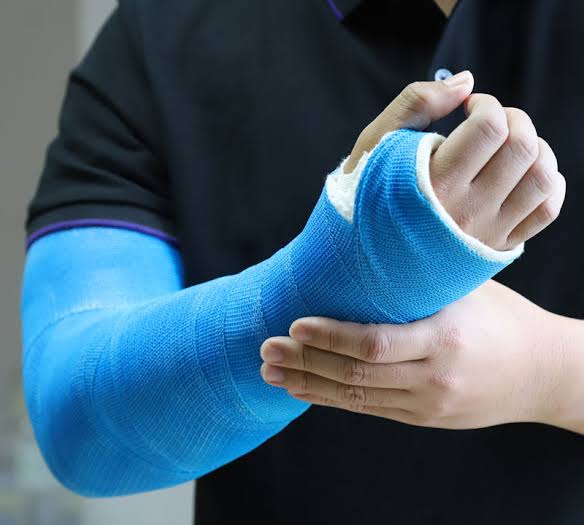
Accidents, falls, sports injuries, and sudden impacts can cause serious bone and joint injuries. Moreover, a fracture can affect movement, comfort, work, and everyday independence. Therefore, people looking for Trauma and Fracture Care In Nagpur should seek timely evaluation from an experienced orthopedic specialist. In addition, prompt assessment can help doctors understand the injury and choose an appropriate treatment approach. However, every fracture differs in location, severity, alignment, and surrounding tissue damage. As a result, your orthopedic team can create a personalized treatment plan that focuses on safe healing, restored movement, and long-term function.
What Is Trauma And Fracture Care?
Trauma and fracture care covers the diagnosis and treatment of injuries involving bones, joints, muscles, ligaments, and surrounding tissues. Moreover, traumatic injuries can range from simple fractures to complex injuries involving multiple structures. Therefore, an orthopedic specialist evaluates the injury carefully before recommending treatment. In addition, the doctor may use physical examination and imaging tests such as X-rays or CT scans to understand the damage. However, complex injuries may require additional investigations. As a result, accurate diagnosis helps the medical team choose suitable conservative care or surgical treatment.
Common Causes Of Orthopedic Trauma
Orthopedic trauma can occur during many everyday and high-impact situations. Moreover, accidents can place sudden force on bones and joints. Therefore, common causes include:
- Road traffic accidents
- Falls from stairs or height
- Sports injuries
- Workplace accidents
- Direct blows
- Twisting injuries
- Crush injuries
- Heavy-object accidents
- Recreational injuries
- Household accidents
In addition, older adults can experience fractures after relatively minor falls because of reduced bone strength. As a result, timely evaluation remains important after significant trauma.
Common Types Of Fractures
Fractures can affect different bones and can vary significantly in complexity. Moreover, the treatment approach depends on the fracture pattern and overall condition. Therefore, orthopedic specialists may treat:
- Simple fractures
- Compound or open fractures
- Closed fractures
- Displaced fractures
- Non-displaced fractures
- Comminuted fractures
- Stress fractures
- Hairline fractures
- Joint-related fractures
- Multiple fractures
In addition, some injuries can affect nearby nerves, blood vessels, ligaments, or muscles. As a result, doctors should evaluate the complete injury rather than focus only on the broken bone.
Symptoms That May Indicate A Fracture
A fracture can produce sudden and noticeable symptoms. Moreover, symptoms can vary according to the bone and injury severity. Therefore, seek prompt medical assessment if you experience:
Severe pain after an injury
Swelling
Bruising
Difficulty moving a limb
Inability to bear weight
Visible deformity
Tenderness around the injured area
Abnormal movement
Reduced joint function
Numbness or unusual sensations
In addition, an open wound near a suspected fracture requires urgent medical attention. As a result, do not delay evaluation after significant trauma.
How Do Doctors Diagnose Fractures?
An orthopedic specialist first reviews how the injury occurred and asks about your symptoms. Moreover, the doctor examines pain, swelling, movement, circulation, and sensation around the injured area. Therefore, the specialist may recommend X-rays to identify many types of fractures. In addition, CT scans can provide more detailed information for selected complex injuries, while MRI can help evaluate certain soft-tissue or bone conditions. However, your doctor chooses investigations according to your injury. As a result, appropriate imaging and clinical assessment can guide treatment planning.
Emergency Fracture Care
Some traumatic injuries require immediate medical attention. Moreover, severe bleeding, major deformity, loss of sensation, or an open fracture can indicate a serious injury. Therefore, seek emergency medical care after major trauma when you notice these warning signs. In addition, avoid unnecessary movement of a severely injured limb until medical professionals provide guidance. However, do not attempt to straighten a visibly deformed bone yourself. As a result, prompt professional care can help reduce the risk of additional injury and support appropriate treatment.
Non-Surgical Fracture Treatment
Some fractures can heal with conservative treatment when the injury remains stable and maintains suitable alignment. Moreover, doctors consider the fracture location, pattern, stability, and patient factors before choosing non-surgical care. Therefore, treatment may include:
- Splints
- Casts
- Braces
- Activity modification
- Pain management
- Follow-up imaging
- Physiotherapy
- Gradual weight-bearing when appropriate
In addition, regular follow-up allows the orthopedic team to monitor healing. As a result, patients can progress toward normal activities according to their recovery plan.
Book An Appointment For Trauma And Fracture Care In Nagpur
A fracture or traumatic injury can disrupt your routine without warning. Moreover, timely orthopedic evaluation can help identify the injury and determine suitable treatment options. Therefore, if you are looking for Trauma And Fracture Care In Nagpur, schedule a consultation with an experienced orthopedic specialist for personalized assessment. In addition, bring your X-rays, CT scans, MRI reports, prescriptions, and previous medical records if available. However, seek emergency medical care for severe injuries, uncontrolled bleeding, open fractures, major deformity, or loss of sensation. As a result, prompt and appropriate care can support safer healing and a gradual return to everyday activities.
Frequently Asked Questions (FAQ)
Trauma and fracture care in Nagpur
Trauma and fracture care in Nagpur