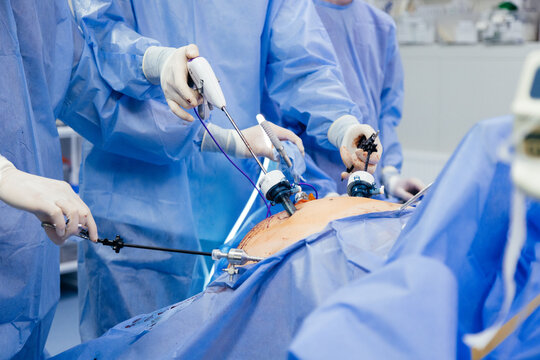
Joint injuries and orthopedic conditions can affect your movement, comfort, work, and active lifestyle. Moreover, persistent pain, stiffness, swelling, or instability can make simple activities increasingly difficult. Therefore, people searching for Keyhole Orthopedic Surgery In Nagpur should consult an experienced orthopedic specialist for a detailed evaluation. In addition, keyhole surgery, also known as arthroscopic surgery, allows surgeons to examine and treat selected joint problems through small surgical openings. However, not every orthopedic condition requires surgery. As a result, your specialist can recommend the most suitable approach after reviewing your symptoms, examination findings, imaging, activity level, and treatment history.
What Is Keyhole Orthopedic Surgery?
Keyhole orthopedic surgery uses a small camera called an arthroscope to view the inside of a joint. Moreover, the surgeon inserts the camera through a small opening and views the joint structures on a monitor. Therefore, the surgeon can identify selected problems involving cartilage, ligaments, tendons, or other tissues. In addition, specialized instruments allow the surgeon to perform certain repairs or treatments through additional small openings. However, the exact procedure depends on the affected joint and diagnosis. As a result, your orthopedic surgeon can explain whether keyhole surgery suits your condition.
Why Consider Keyhole Orthopedic Surgery?
Certain orthopedic conditions may respond well to arthroscopic treatment when conservative care does not provide enough improvement. Moreover, keyhole techniques can allow surgeons to access selected joint structures through small surgical openings. Therefore, your doctor may consider this approach when your symptoms, examination, and imaging identify a suitable structural problem. In addition, arthroscopy can allow the surgeon to examine the joint directly during treatment. However, surgery should never become the automatic choice for joint pain. As a result, your specialist should first consider physiotherapy, activity modification, medication, injections, or other suitable options.
Joints Commonly Treated With Keyhole Surgery
Orthopedic surgeons use keyhole techniques for selected conditions affecting several joints. Moreover, knee and shoulder arthroscopy remain common applications. Therefore, surgeons may use keyhole procedures for selected problems involving:
- Knee
- Shoulder
- Ankle
- Hip
- Elbow
- Wrist
In addition, each joint requires a different surgical approach because its anatomy and treatment requirements vary. However, your surgeon will recommend arthroscopy only when your diagnosis supports the procedure. As a result, personalized evaluation remains essential before surgery.
Conditions That May Require Keyhole Orthopedic Surgery
Several injuries and joint problems can cause persistent symptoms or restricted movement. Moreover, sports injuries, falls, repetitive activities, and degenerative changes can affect joint structures. Therefore, your orthopedic specialist may assess you for keyhole treatment if you have:
- Meniscus tears
- Selected ligament injuries
- Cartilage damage
- Labral tears
- Rotator cuff problems
- Joint instability
- Loose bodies
- Certain tendon injuries
- Impingement problems
- Persistent symptoms after an injury
In addition, your doctor will assess the severity and location of the problem before recommending surgery. As a result, accurate diagnosis can guide appropriate treatment.
Symptoms That Need Orthopedic Evaluation
Joint symptoms can interfere with daily activities and physical performance. Moreover, persistent symptoms after an injury may indicate an underlying structural problem. Therefore, consider an orthopedic evaluation if you experience:
- Persistent joint pain
- Joint swelling
- Stiffness
- Reduced range of motion
- Clicking or catching
- Joint locking
- Repeated instability
- Muscle weakness
- Difficulty walking or lifting
- Pain during sports
In addition, seek prompt medical attention after a serious injury or sudden loss of joint function. As a result, timely diagnosis can help you understand your treatment options.
How Doctors Diagnose Orthopedic Problems
Your orthopedic specialist begins by discussing your symptoms, injury history, previous treatments, and activity requirements. Moreover, the doctor examines movement, strength, stability, alignment, and tenderness. Therefore, your specialist may recommend imaging when necessary. In addition, X-rays can show bone and joint changes, while MRI or ultrasound can provide information about selected soft-tissue conditions. However, your doctor may recommend other tests when your condition requires additional information. As a result, a comprehensive evaluation helps determine whether keyhole surgery or another treatment approach fits your needs.
Non-Surgical Treatment Before Keyhole Surgery
Orthopedic specialists often consider conservative treatment before recommending surgery. Moreover, many joint conditions can improve with appropriate rehabilitation and lifestyle adjustments. Therefore, your doctor may recommend:
- Physiotherapy
- Therapeutic exercises
- Strengthening programs
- Mobility training
- Activity modification
- Pain-management strategies
- Medication when appropriate
- Bracing for selected conditions
- Injections when clinically suitable
In addition, your doctor can monitor your response and modify the treatment plan. However, persistent symptoms may require further evaluation when conservative care does not provide adequate improvement.
Book An Appointment For Keyhole Orthopedic Surgery In Nagpur
Persistent joint pain or instability can affect your mobility, work, exercise, and quality of life. Moreover, accurate diagnosis can help determine whether you need physiotherapy, medication, activity modification, injections, or keyhole surgery. Therefore, if you are considering Keyhole Orthopedic Surgery In Nagpur, schedule a consultation with an experienced orthopedic specialist. In addition, bring your X-rays, MRI reports, prescriptions, and previous medical records if available. However, seek timely evaluation when severe pain, locking, instability, or movement loss continues. As a result, professional guidance can help you understand your treatment choices and recovery expectations.
Frequently Asked Questions (FAQ)
Keyhole orthopedic surgery in Nagpur
Keyhole orthopedic surgery in Nagpur