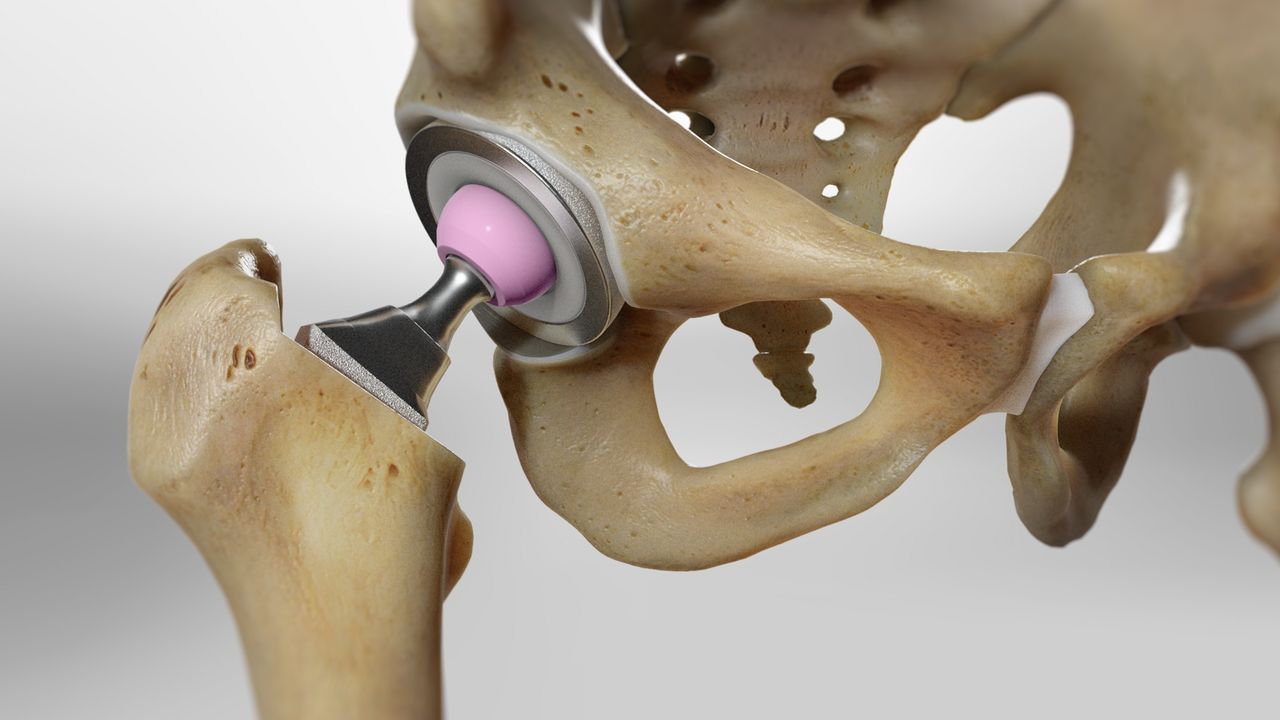
Severe hip damage can make walking, sitting, climbing stairs, and everyday movement uncomfortable. Moreover, persistent hip pain can gradually affect independence, sleep, work, and physical activity. Therefore, patients researching a Hip Prosthetic Implant In Nagpur should first understand how artificial hip components work and when doctors may recommend them. In addition, an orthopedic specialist can evaluate your symptoms, imaging reports, joint damage, activity level, and overall health. However, not every person with hip pain needs an implant. As a result, personalized assessment can help you understand suitable treatment options and make an informed decision about hip replacement.
What Is a Hip Prosthetic Implant?
A hip prosthetic implant replaces damaged parts of the natural hip joint with artificial components. Moreover, a typical replacement system includes components that recreate the ball-and-socket structure of the hip. Therefore, the surgeon selects implant components according to your anatomy, joint condition, age, activity level, and surgical requirements. In addition, modern implant systems come in different designs and materials. However, no single implant suits every patient. As a result, your orthopedic surgeon should select the appropriate implant after a detailed clinical and imaging evaluation.
When Do You Need A Hip Prosthetic Implant?
Doctors may recommend a hip prosthetic implant when severe joint damage causes persistent pain and significant movement limitations. Moreover, advanced arthritis, avascular necrosis, certain fractures, and serious joint degeneration can damage the hip. Therefore, an orthopedic specialist may discuss hip replacement when appropriate non-surgical treatments no longer provide sufficient relief. In addition, the doctor considers your walking ability, pain severity, imaging findings, general health, and functional goals. However, symptoms alone do not determine the need for an implant. As a result, comprehensive evaluation helps identify whether hip replacement represents an appropriate option.
Common Conditions That May Require Hip Replacement
Several conditions can severely affect hip joint function. Moreover, progressive damage can make normal movement increasingly difficult. Therefore, doctors may consider hip replacement for selected patients with:
- Advanced hip osteoarthritis
- Severe cartilage damage
- Avascular necrosis
- Certain hip fractures
- Significant joint degeneration
- Serious hip deformity
- Persistent joint pain
- Major mobility limitations
- Reduced quality of life despite appropriate treatment
In addition, your surgeon evaluates the complete condition of the hip before recommending replacement. As a result, the treatment plan remains personalized to your needs.
Types Of Hip Prosthetic Implants
Hip replacement systems can use different component designs and materials. Moreover, surgeons select implant combinations according to individual anatomy and surgical requirements. Therefore, your treatment may involve components such as:
- Femoral stem
- Femoral head
- Acetabular cup
- Bearing surface
- Cemented or uncemented components in selected cases
In addition, your surgeon considers bone quality, age, activity level, joint condition, and implant compatibility during planning. However, implant selection requires professional clinical judgment. As a result, your orthopedic specialist can explain which implant option best suits your individual situation.
How Does A Hip Prosthetic Implant Work?
A hip prosthetic implant recreates the movement of the natural ball-and-socket joint. Moreover, the artificial components allow the femoral and pelvic sides of the joint to move against a suitable bearing surface. Therefore, the surgeon positions each component carefully to support joint stability and functional movement. In addition, accurate surgical planning helps the surgeon consider alignment and individual anatomy. However, implant performance can vary according to patient factors, surgical technique, rehabilitation, and lifestyle. As a result, appropriate implant selection and follow-up care remain important.
Benefits Of A Hip Prosthetic Implant
A suitable hip prosthetic implant can provide meaningful benefits for patients with severe joint damage. Moreover, restoring functional joint movement can improve everyday comfort. Therefore, potential benefits may include:
- Reduced hip pain
- Improved walking ability
- Better joint movement
- Greater independence
- Improved daily activity performance
- Better tolerance for suitable low-impact activities
- Improved mobility
- Greater confidence during movement
- Better overall quality of life
In addition, individual results can vary. However, your surgeon can explain realistic expectations according to your diagnosis and health. As a result, personalized treatment planning remains essential.
Hip Implant Materials
Manufacturers use different materials to create hip replacement components and bearing surfaces. Moreover, implant design continues to evolve with advances in orthopedic technology. Therefore, surgeons may select materials and component combinations based on patient-specific requirements. In addition, factors such as bone quality, age, activity level, and surgical technique can influence the choice. However, patients should not select an implant based only on material names or online claims. As a result, discuss the advantages, limitations, and expected performance of available options with your orthopedic surgeon.
Book An Appointment For A Hip Prosthetic Implant In Nagpur
Severe hip pain can limit your mobility and affect your everyday life. Moreover, a suitable hip prosthetic implant can help selected patients improve pain, movement, and functional ability. Therefore, if you are considering a Hip Prosthetic Implant In Nagpur, schedule a consultation with an experienced orthopedic specialist. In addition, bring your X-rays, MRI reports, prescriptions, and previous treatment records if available. However, do not choose an implant based only on online information. As a result, a personalized evaluation can help you understand your diagnosis, implant options, expected benefits, potential risks, and recovery plan.
Frequently Asked Questions (FAQ)
Hip prosthetic implant in Nagpur
Hip prosthetic implant in Nagpur
Consult Our Experienced Orthopaedic Surgeon for Detailed Guidance