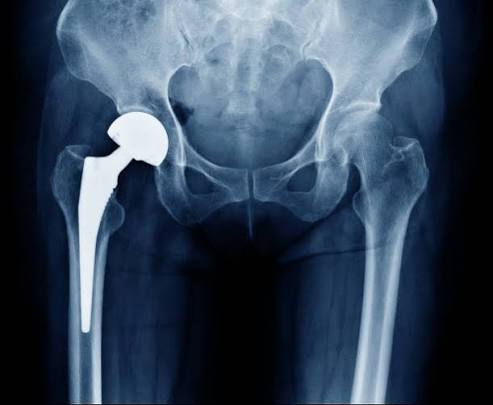
Persistent hip pain can make walking, sitting, standing, climbing stairs, and sleeping uncomfortable. Moreover, advanced hip joint damage can gradually limit your independence and everyday activities. Therefore, people searching for Total Hip Replacement In Nagpur should consult an experienced orthopedic specialist for a detailed evaluation. In addition, a specialist can assess your symptoms, joint condition, imaging reports, activity level, and previous treatments before recommending surgery. However, hip replacement does not suit every person with hip pain. As a result, personalized diagnosis can help you understand your options and choose an appropriate treatment plan.
What Is Total Hip Replacement?
Total hip replacement involves replacing damaged parts of the hip joint with artificial components. Moreover, the hip joint contains a ball and socket that allow smooth movement during everyday activities. Therefore, severe damage to these surfaces can cause persistent pain, stiffness, and reduced mobility. In addition, an orthopedic surgeon evaluates the joint and selects suitable implant components according to your anatomy and condition. However, the exact surgical approach can vary between patients. As a result, a detailed consultation helps your surgeon plan treatment according to your individual needs.
When Do You Need Total Hip Replacement?
Not every person with hip pain needs replacement surgery. Moreover, doctors often consider non-surgical treatment when it can provide meaningful relief. Therefore, a surgeon may discuss total hip replacement when severe joint damage causes persistent pain, stiffness, or major difficulty with daily activities despite appropriate conservative care. In addition, your doctor considers imaging findings, functional limitations, overall health, and treatment history. However, the final decision requires an individual assessment. As a result, you can understand whether hip replacement or another treatment better matches your condition.
Common Reasons For Hip Replacement
Several conditions can damage the hip joint over time. Moreover, arthritis remains a common reason for hip replacement. Therefore, an orthopedic specialist may evaluate patients with:
- Advanced hip osteoarthritis
- Rheumatoid arthritis
- Avascular necrosis
- Severe cartilage damage
- Hip fractures
- Previous hip injuries
- Joint degeneration
- Certain structural hip problems
- Persistent pain despite conservative treatment
In addition, your doctor will assess the overall condition of the hip before recommending surgery. As a result, careful evaluation can support appropriate treatment selection.
Symptoms That May Indicate Severe Hip Damage
Hip problems can gradually interfere with normal movement. Moreover, symptoms may become more noticeable during walking, climbing stairs, or getting up from a chair. Therefore, consider an orthopedic consultation if you experience:
- Persistent hip pain
- Groin pain
- Hip stiffness
- Difficulty walking
- Reduced hip movement
- Pain while climbing stairs
- Difficulty standing for long periods
- Trouble putting on shoes or socks
- Pain that affects sleep
- Difficulty performing daily activities
In addition, symptoms that continue or worsen deserve professional assessment. As a result, early evaluation can help identify the underlying cause and suitable treatment options.
How Doctors Diagnose Hip Problems
An accurate diagnosis helps your orthopedic specialist select the right treatment. Moreover, the doctor will discuss your symptoms, medical history, previous injuries, activity level, and treatment experience. Therefore, the physical examination may assess hip movement, strength, gait, alignment, and pain. In addition, X-rays can help identify joint-space changes, bone damage, and other structural problems. However, your doctor may recommend additional imaging when necessary. As a result, combining clinical assessment with appropriate investigations can provide a clearer picture of your hip condition.
Non-Surgical Treatment For Hip Pain
Doctors may explore conservative treatment before recommending total hip replacement. Moreover, some patients can manage symptoms through appropriate non-surgical care. Therefore, treatment may include:
- Physiotherapy
- Strengthening exercises
- Mobility exercises
- Activity modification
- Weight-management guidance
- Pain-management strategies
- Medication when appropriate
- Walking support when necessary
- Injections for selected conditions
In addition, your doctor can monitor your response and modify the plan when needed. As a result, suitable patients may achieve symptom improvement without immediate surgery.
When Non-Surgical Treatment May Not Be Enough
Some patients continue to experience significant pain despite appropriate conservative care. Moreover, advanced joint damage can increasingly restrict everyday movement. Therefore, your orthopedic surgeon may discuss hip replacement when persistent symptoms substantially affect your quality of life. In addition, the specialist reviews imaging, physical findings, health status, and functional goals before making a recommendation. However, surgery requires careful consideration of potential benefits, risks, alternatives, and recovery needs. As a result, informed consultation can help you make a decision that suits your condition.
Book An Appointment For Total Hip Replacement In Nagpur
Persistent hip pain can limit your independence and affect your quality of life. Moreover, severe joint damage may make everyday activities increasingly difficult. Therefore, if you are considering Total Hip Replacement In Nagpur, schedule an orthopedic consultation for a detailed hip evaluation. In addition, bring previous X-rays, MRI reports, prescriptions, and medical records if available. However, your specialist should recommend surgery only after reviewing your condition and discussing suitable alternatives. As a result, professional guidance can help you take the next step toward better hip function and mobility.
Frequently Asked Questions (FAQ)
Total hip replacement in Nagpur
Total hip replacement in Nagpur
Consult Our Experienced Orthopaedic Surgeon for Detailed Guidance