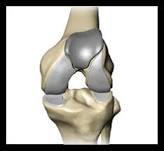
Knee pain can affect walking, climbing stairs, exercising, and everyday comfort. Moreover, localized knee arthritis can sometimes affect only one compartment of the joint while the remaining areas stay relatively healthy. Therefore, Unicompartmental Knee Surgery In Nagpur may offer a focused treatment option for carefully selected patients with isolated compartment damage. In addition, this procedure replaces the damaged portion while preserving suitable healthy parts of the knee. However, not every patient with knee arthritis qualifies for partial knee surgery. As a result, an experienced orthopedic specialist should evaluate your symptoms, imaging, knee alignment, ligament stability, and activity goals before recommending this approach.
What Is Unicompartmental Knee Surgery?
Unicompartmental knee surgery, also called partial knee replacement, treats arthritis limited to one compartment of the knee. Moreover, the knee contains medial, lateral, and patellofemoral compartments that can develop different patterns of damage. Therefore, a surgeon may replace only the affected compartment when the remaining joint structures remain suitable. In addition, this approach preserves more of the patient’s natural knee compared with total knee replacement. However, surgeons need to confirm healthy cartilage and appropriate ligament function before recommending it. As a result, careful patient selection plays an important role in achieving a suitable surgical outcome.
How Does Unicompartmental Knee Surgery Work?
During unicompartmental knee surgery, the surgeon removes damaged bone and cartilage from the affected compartment. Moreover, the surgeon prepares the bone surfaces and positions the appropriate implant components. Therefore, the procedure focuses on restoring movement and reducing pain from localized arthritis. In addition, the surgeon preserves the healthy compartments and suitable supporting structures of the knee. However, the exact technique depends on your knee anatomy, implant choice, and surgical plan. As a result, your orthopedic specialist can explain each step after reviewing your examination and imaging.
Who May Benefit From Unicompartmental Knee Surgery?
Patient selection remains essential for partial knee replacement. Moreover, doctors consider the location and severity of arthritis before recommending surgery. Therefore, selected patients may benefit when arthritis mainly affects one compartment and other knee structures remain suitable. In addition, your specialist may evaluate:
- Isolated compartment arthritis
- Knee pain that limits daily activities
- Appropriate knee alignment
- Good ligament stability
- Suitable range of motion
- Limited damage in other compartments
- Adequate bone quality
- Response to previous treatments
- Activity requirements
- Overall health
However, these factors do not automatically make you a candidate. As a result, your surgeon should make the final recommendation after a complete knee evaluation.
Common Reasons For Partial Knee Replacement
Arthritis can affect different parts of the knee at different rates. Moreover, some patients develop advanced damage in one compartment while other areas remain comparatively healthy. Therefore, a surgeon may consider unicompartmental replacement for selected cases of localized osteoarthritis. In addition, previous knee injuries can sometimes contribute to compartment-specific degeneration. However, severe arthritis across multiple compartments may require a different surgical approach. As a result, accurate imaging and clinical assessment help determine whether partial or total knee replacement better suits your condition.
Symptoms That May Indicate Compartmental Knee Arthritis
Localized knee arthritis can gradually affect your movement and daily routine. Moreover, symptoms may become more noticeable during activities that place stress on the affected compartment. Therefore, consider an orthopedic evaluation if you experience:
- Persistent knee pain
- Pain while walking
- Difficulty climbing stairs
- Knee stiffness
- Swelling
- Reduced range of motion
- Difficulty standing for long periods
- Pain during physical activity
- Reduced walking tolerance
- Difficulty performing routine activities
In addition, symptoms can vary according to the affected compartment and severity of arthritis. As a result, professional evaluation can help identify the underlying problem.
How Doctors Diagnose Unicompartmental Knee Problems
An orthopedic specialist begins by reviewing your symptoms, medical history, activity level, and previous treatments. Moreover, the doctor examines knee alignment, movement, stability, strength, and tenderness. Therefore, imaging helps the specialist understand the location and severity of joint damage. In addition, weight-bearing X-rays can provide useful information about joint-space narrowing and alignment, while MRI may help assess selected soft-tissue structures. However, doctors do not rely on imaging alone. As a result, your specialist combines clinical findings and imaging results to determine the most appropriate treatment.
Unicompartmental Knee Surgery Vs Total Knee Replacement
Partial and total knee replacement address different patterns of joint damage. Moreover, unicompartmental surgery focuses on one damaged compartment, while total knee replacement addresses more extensive joint damage. Therefore, doctors choose between these procedures according to the condition of your knee. In addition, ligament stability, alignment, cartilage condition, age, activity level, and overall health can influence the decision. However, a smaller procedure does not automatically mean a better procedure for every patient. As a result, your surgeon should recommend the option that best matches your individual knee condition.
Book An Appointment For Unicompartmental Knee Surgery In Nagpur
Localized knee arthritis can gradually limit your movement and affect your quality of life. Moreover, partial knee replacement can offer a focused treatment option for carefully selected patients. Therefore, if you are considering Unicompartmental Knee Surgery In Nagpur, schedule a consultation with a qualified orthopedic specialist for a complete knee evaluation. In addition, bring your previous X-rays, MRI reports, prescriptions, and medical records when available. However, your surgeon should recommend the appropriate procedure only after reviewing your individual condition. As a result, personalized guidance can help you understand your options and plan your next step.
Frequently Asked Questions (FAQ)
Unicompartmental knee surgery in Nagpur
Unicompartmental knee surgery in Nagpur
Consult Our Experienced Orthopaedic Surgeon for Detailed Guidance