Severe knee pain can make walking, climbing stairs, working, and enjoying everyday activities difficult. Moreover, advanced arthritis can gradually reduce knee movement and affect your quality of life. You may also notice swelling, stiffness after resting, difficulty standing for long periods, or pain that becomes worse during routine activities. These symptoms can gradually limit your independence and make even simple movements feel challenging.
Therefore, patients searching for Total Knee Replacement In Nagpur should consult an experienced orthopedic specialist for a detailed evaluation. A specialist can assess your symptoms, examine knee movement and stability, review X-rays or other imaging, and determine whether arthritis or another condition is causing your discomfort. Early evaluation can also help identify suitable non-surgical treatments before joint damage becomes more advanced.
What Is Total Knee Replacement?
Total knee replacement involves replacing damaged surfaces of the knee joint with artificial components. Moreover, surgeons consider this procedure when severe arthritis or joint damage causes persistent pain and significant movement limitations. Therefore, the surgeon evaluates your symptoms, knee structure, imaging results, activity level, and general health before recommending surgery. In addition, the procedure aims to improve knee function and reduce pain associated with advanced joint damage. However, the final treatment decision depends on your individual condition. As a result, a thorough orthopedic consultation remains essential before choosing total knee replacement.
When Do You Need Total Knee Replacement?
Not every person with knee pain needs a replacement. Moreover, doctors usually consider surgery when severe joint damage continues to interfere with daily activities despite appropriate non-surgical care. Therefore, your orthopedic specialist may discuss total knee replacement if you experience persistent pain, stiffness, reduced mobility, or difficulty performing routine activities. In addition, imaging can help the doctor understand the extent of joint damage. However, your symptoms and functional limitations also matter when making the decision. As a result, your doctor can recommend treatment according to your specific needs rather than relying on imaging alone.
Common Reasons For Total Knee Replacement
Several conditions can gradually damage the knee joint. Moreover, advanced osteoarthritis remains one of the common reasons patients consider knee replacement. Therefore, your orthopedic specialist may evaluate you for surgery when you have:
- Advanced knee osteoarthritis
- Rheumatoid arthritis
- Severe cartilage deterioration
- Significant joint damage after an injury
- Progressive knee deformity
- Persistent knee stiffness
- Chronic pain despite conservative treatment
- Major limitations during daily activities
In addition, your doctor will consider your overall health and treatment history before recommending surgery. As a result, the final decision can reflect both your knee condition and personal functional goals.
Symptoms That May Indicate Severe Knee Damage
Knee damage can gradually affect movement and independence. Moreover, symptoms may become more noticeable during walking, standing, squatting, or climbing stairs. Therefore, consider an orthopedic evaluation if you experience:
- Persistent knee pain
- Severe stiffness
- Difficulty walking
- Reduced knee movement
- Pain while climbing stairs
- Knee swelling
- Joint deformity
- Difficulty standing for long periods
- Pain that affects sleep
- Difficulty performing routine activities
In addition, symptoms can vary between patients. As a result, a professional assessment can help identify the underlying cause and determine whether total knee replacement represents an appropriate option.
How Doctors Diagnose Knee Replacement Needs
An orthopedic specialist starts with your symptoms, medical history, activity level, and previous treatment. Moreover, the doctor examines knee movement, stability, alignment, swelling, and tenderness. Therefore, the specialist may recommend X-rays to assess joint-space narrowing, bone changes, and alignment. In addition, the doctor may request other investigations when your condition requires additional information. However, imaging alone does not determine whether you need surgery. As a result, your doctor combines clinical findings, imaging, symptoms, and functional limitations before recommending total knee replacement.
Total Knee Replacement Vs Partial Knee Replacement
Total and partial knee replacement address different patterns of joint damage. Moreover, total knee replacement addresses damaged surfaces across the major compartments of the knee. Therefore, surgeons may recommend it when arthritis affects multiple areas of the joint. In addition, partial knee replacement focuses on a specific damaged compartment in carefully selected patients. However, ligament stability, alignment, cartilage condition, and disease distribution influence the choice. As a result, your orthopedic surgeon should assess your entire knee before recommending either procedure.
How Total Knee Replacement Works
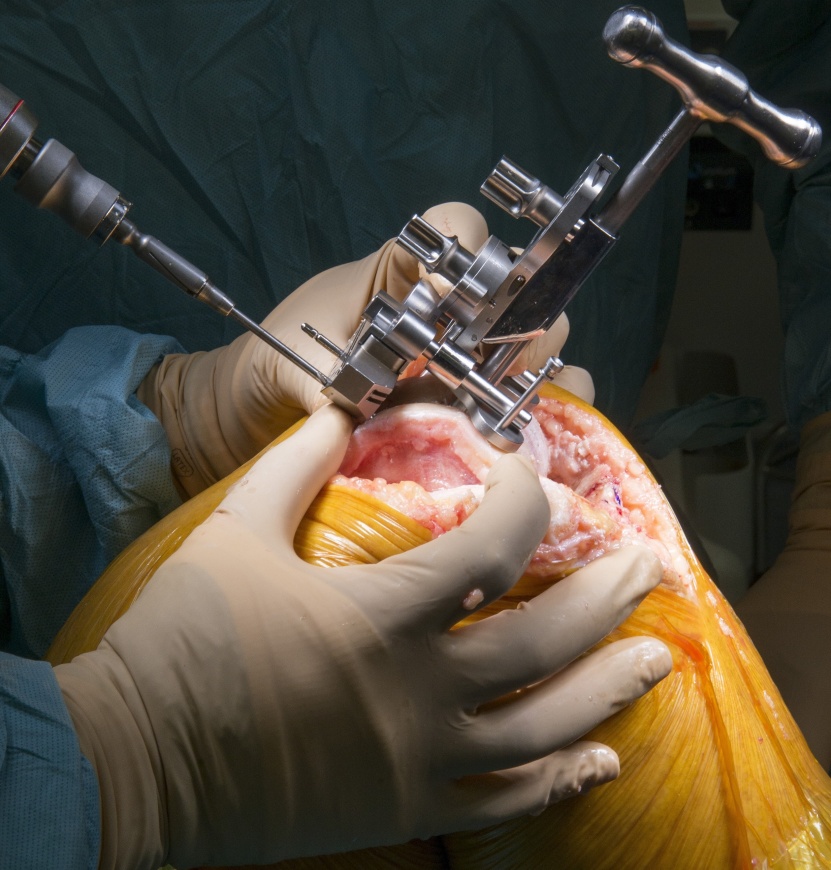
During total knee replacement, the surgeon removes damaged joint surfaces and prepares the bone for artificial components. Moreover, the surgeon carefully positions the implants according to the surgical plan. Therefore, the procedure aims to restore appropriate knee alignment and support functional movement. In addition, the surgeon selects implant components according to your anatomy, bone condition, and surgical requirements. However, the exact technique can vary between patients. As a result, your surgeon can explain each stage of the procedure during your consultation.
Book An Appointment For Total Knee Replacement In Nagpur
Persistent knee pain can make simple activities increasingly difficult. Moreover, an orthopedic consultation can help identify the cause of your symptoms and determine whether total knee replacement represents an appropriate option. Therefore, if you are considering Total Knee Replacement In Nagpur, schedule a consultation with an experienced orthopedic specialist.
Frequently Asked Questions (FAQ)
Total knee replacement in Nagpur
Total knee replacement in Nagpur
Consult Our Experienced Orthopaedic Surgeon for Detailed Guidance