Asian Institute Of Advanced Surgeries

Computer assisted surgery in Nagpur

Dr. Abhishek Bhalotia
MS Ortho, Fellow Joint Replacement (Hyd, UK)
Robotic Joint Replacement Surgeon
Dr. Abhishek Bhalotia is a highly skilled orthopedic and joint replacement surgeon based in Gondia, Maharashtra. He holds an MBBS and MS has completed advanced fellowship training in joint replacement techniques, including training in Hyderabad and London, UK.
Introducing robotic-assisted hip and knee replacement surgeries in his region and has performed over 2k joint replacement procedures, helping many patients regain mobility and reduce pain. He is the Founder Director of United Super Specialty Hospital & Trauma Centre, where he provides advanced orthopedic care with a focus on precision, innovation & compassionate treatment.
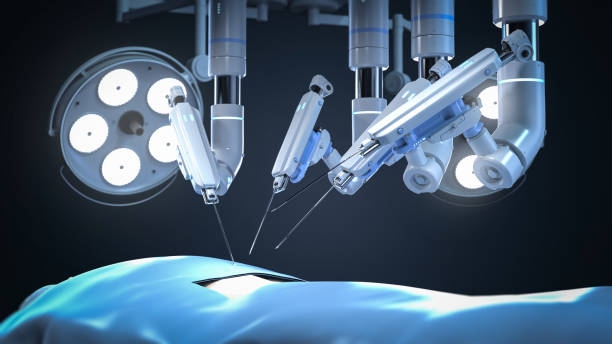
Modern orthopedic care increasingly combines surgical expertise with advanced digital technology. Moreover, computer assisted surgery can help surgeons plan and perform selected orthopedic procedures with detailed digital guidance. Therefore, patients searching for Computer Assisted Surgery In Nagpur can consult an experienced orthopedic specialist to understand whether this approach suits their condition. In addition, advanced imaging, digital planning, navigation, and intraoperative guidance can support selected joint and bone procedures. However, technology supports the surgeon rather than replacing clinical judgment. As a result, personalized evaluation remains the foundation of safe and effective orthopedic treatment.
What Is Computer Assisted Surgery?
Computer assisted surgery uses specialized software, imaging, and navigation technology to support selected surgical procedures. Moreover, these systems can help surgeons analyze anatomical information and develop a detailed surgical plan. Therefore, the surgeon can use digital guidance during appropriate stages of an operation. In addition, computer assistance may support decisions involving alignment, positioning, and surgical accuracy. However, the exact technology varies according to the procedure and medical center. As a result, your orthopedic specialist should explain how computer assistance applies to your specific treatment.
Why Do Surgeons Use Computer Assistance?
Orthopedic procedures often require careful attention to anatomy, alignment, bone preparation, and implant positioning. Moreover, every patient’s anatomy can differ from standard measurements. Therefore, digital planning can help surgeons understand individual anatomical features before selected procedures. In addition, intraoperative navigation can provide additional information during surgery. However, computer guidance does not make independent clinical decisions. As a result, surgeons combine technology with their experience, examination findings, and patient-specific requirements.
How Does Computer Assisted Surgery Work?
The process depends on the procedure, technology, and surgical system. Moreover, the surgical team may begin with detailed imaging and create a patient-specific digital plan. Therefore, the surgeon can use that plan to guide selected surgical steps. In addition, navigation systems may provide information about positioning, alignment, or other procedure-specific factors during surgery. However, the surgeon evaluates all available information before making clinical decisions. As a result, computer assistance works as a supportive tool within a broader surgical strategy.
Computer Assisted Joint Replacement
Joint replacement often requires careful planning of alignment and implant positioning. Moreover, computer-assisted systems can provide additional digital information during selected knee and hip replacement procedures. Therefore, surgeons may use navigation or planning software to support specific surgical decisions. In addition, patient-specific information can help the surgical team understand the intended approach before and during the operation. However, not every joint replacement requires computer assistance. As a result, your orthopedic surgeon should determine whether this technology provides meaningful value for your condition.
Computer Assisted Knee Replacement
Knee replacement requires careful evaluation of bone alignment, joint balance, implant positioning, and knee movement. Moreover, computer-assisted technology can provide digital guidance during selected procedures. Therefore, surgeons may use this information to support alignment and positioning decisions. In addition, detailed preoperative planning can help the surgeon understand the patient’s individual anatomy. However, technology does not guarantee a specific surgical outcome. As a result, experienced surgical judgment remains essential throughout computer-assisted knee replacement.
Computer Assisted Hip Replacement
Hip replacement requires careful planning to address joint damage and restore appropriate function. Moreover, surgeons must consider factors such as implant selection, positioning, anatomy, and alignment. Therefore, computer-assisted systems may support selected hip replacement procedures with digital planning or intraoperative guidance. In addition, advanced imaging can help the surgical team understand individual anatomical features. However, the surgeon must adapt the plan when clinical findings require changes. As a result, computer assistance can complement experienced orthopedic care during suitable hip replacement procedures.
Role Of Advanced Imaging
Imaging provides important anatomical information for many orthopedic procedures. Moreover, X-rays, CT scans, and other imaging methods can help doctors assess bones, joints, alignment, and structural changes. Therefore, surgeons may use appropriate imaging to develop a computer-assisted surgical plan. In addition, digital imaging can integrate with selected navigation systems and planning platforms. However, your doctor should recommend imaging according to your clinical needs. As a result, advanced imaging can support informed surgical planning without adding unnecessary investigations.
Book An Appointment For Computer Assisted Surgery In Nagpur
Joint pain, stiffness, instability, or reduced mobility can affect your daily routine. Moreover, an orthopedic consultation can identify the underlying condition and determine whether computer-assisted treatment may help. Therefore, if you are considering Computer Assisted Surgery In Nagpur, schedule a consultation with an experienced orthopedic specialist.
Frequently Asked Questions (FAQ)
1. What is computer assisted surgery?
Computer assisted surgery uses digital planning, imaging, navigation, or software to support selected procedures.
2. Does computer assistance replace the surgeon?
No. The surgeon remains responsible for all clinical decisions.
3. Can computer assistance help knee replacement?
Yes. It can support planning, alignment, and navigation during selected knee replacements.
4. Can computer assistance help hip replacement?
Yes. It may assist with planning and implant positioning during selected hip replacements.
5. Is computer assisted surgery better for every patient?
No. Suitability depends on the patient’s condition, anatomy, and treatment needs.
6. Does computer assisted surgery improve accuracy?
It can provide additional guidance, but results depend on several clinical factors.