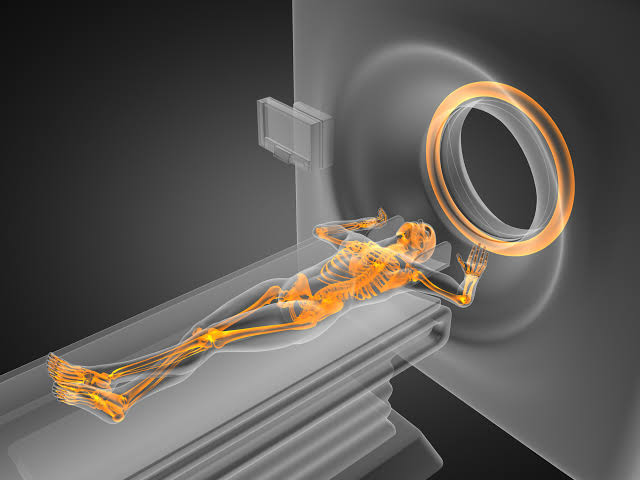
3D imaging in surgery in Nagpur.Modern orthopedic care increasingly uses advanced imaging to help surgeons understand complex anatomy before treatment. Moreover, three-dimensional imaging can provide detailed views that support surgical planning for selected procedures. Therefore, patients searching for 3D Imaging In Surgery In Nagpur can consult an experienced orthopedic specialist to understand whether advanced imaging suits their condition. In addition, surgeons can combine imaging findings with physical examination, medical history, and other diagnostic tests. However, imaging technology supports clinical judgment rather than replacing it. As a result, appropriate patients can receive a more personalized treatment plan based on their anatomy, symptoms, and functional goals.
What Is 3D Imaging In Surgery?
3D imaging in surgery in Nagpur,3D imaging uses advanced computer technology to create detailed three-dimensional representations of anatomical structures. Moreover, these images can help surgeons examine bones, joints, alignment, and other structures from different perspectives. Therefore, specialists can use relevant imaging information when planning selected orthopedic procedures. In addition, 3D visualization can help the medical team understand complex anatomical details before surgery. However, the value of 3D imaging depends on the patient’s condition and the procedure. As a result, your surgeon decides whether this technology can add useful information to your treatment plan.
Why Do Surgeons Use 3D Imaging?
Accurate anatomical information can help surgeons prepare for complex procedures. Moreover, traditional imaging provides valuable information, while three-dimensional visualization can offer additional perspectives in selected cases. Therefore, surgeons may use 3D imaging to assess anatomy, alignment, bone structure, and surgical requirements. In addition, advanced imaging can support personalized planning for appropriate orthopedic procedures. However, surgeons must interpret every image alongside clinical findings. As a result, 3D imaging becomes one part of a broader diagnostic and surgical planning process.
How Does 3D Imaging Support Surgical Planning?
The process begins with a detailed patient evaluation. Moreover, the orthopedic specialist reviews symptoms, physical findings, previous treatment, and relevant diagnostic images. Therefore, the team can determine whether additional three-dimensional imaging could improve treatment planning. In addition, specialized software can help create detailed anatomical models from suitable imaging data. However, the surgeon remains responsible for interpreting the information and developing the final surgical strategy. As a result, 3D imaging can provide useful anatomical detail while supporting individualized surgical preparation.
Orthopedic Procedures That May Use 3D Imaging
Different orthopedic procedures may benefit from advanced imaging depending on the patient’s condition. Moreover, surgeons may consider three-dimensional imaging when they need detailed anatomical information. Therefore, applications may include:
- Complex joint replacement planning
- Knee replacement planning
- Hip replacement planning
- Revision joint surgery
- Complex fracture evaluation
- Bone deformity assessment
- Implant planning
- Joint alignment assessment
- Selected sports injury procedures
- Complex orthopedic reconstruction
In addition, your surgeon will determine whether 3D imaging provides meaningful information for your specific procedure
3D Imaging For Knee Surgery
Knee surgery can require careful assessment of bone structure and alignment. Moreover, advanced imaging can provide detailed anatomical information for selected patients. Therefore, surgeons may use 3D imaging to support planning for certain knee replacement or complex knee procedures. In addition, three-dimensional views can help the team understand anatomical relationships before surgery. However, the surgeon combines imaging information with physical examination and other investigations. As a result, the treatment plan can reflect the patient’s individual anatomy and functional requirements.
3D Imaging For Hip Surgery
Hip conditions can affect mobility, comfort, and everyday activities. Moreover, complex hip anatomy can require detailed assessment before selected surgical procedures. Therefore, three-dimensional imaging may help surgeons evaluate bone structure, joint anatomy, and other relevant features. In addition, this information can support planning for appropriate hip replacement or complex reconstruction. However, not every patient requires advanced 3D imaging. As a result, your orthopedic surgeon should determine whether the technology offers meaningful value for your treatment.
3D Imaging For Joint Replacement
Joint replacement requires careful evaluation of the affected joint and surrounding anatomy. Moreover, surgeons consider alignment, bone structure, implant requirements, and patient-specific factors when developing a surgical plan. Therefore, 3D imaging can provide additional anatomical information for selected joint replacement cases. In addition, advanced planning can help the surgical team visualize relevant structures before the procedure. However, the surgeon must still make clinical decisions throughout treatment. As a result, 3D imaging can complement surgical expertise and support personalized joint replacement planning.
Book An Appointment For 3D Imaging In Surgery In Nagpur
Complex orthopedic problems can affect mobility and everyday quality of life. Moreover, advanced imaging can provide useful information when your surgeon needs detailed anatomical visualization. Therefore, if you are searching for 3D Imaging In Surgery In Nagpur, schedule a consultation with an experienced orthopedic specialist for a comprehensive evaluation.
Frequently Asked Questions (FAQ)
3D imaging in surgery in Nagpur
3D imaging in surgery in Nagpur
Consult Our Experienced Orthopaedic Surgeon for Detailed Guidance