Asian Institute Of Advanced Surgeries


Robotic hip replacement in Nagpur

Dr. Abhishek Bhalotia

MS Ortho, Fellow Joint Replacement (Hyd, UK)

Robotic Joint Replacement Surgeon

Dr. Abhishek Bhalotia is a highly skilled orthopedic and joint replacement surgeon based in Gondia, Maharashtra. He holds an MBBS and MS has completed advanced fellowship training in joint replacement techniques, including training in Hyderabad and London, UK.
Introducing robotic-assisted hip and knee replacement surgeries in his region and has performed over 2k joint replacement procedures, helping many patients regain mobility and reduce pain. He is the Founder Director of United Super Specialty Hospital & Trauma Centre, where he provides advanced orthopedic care with a focus on precision, innovation & compassionate treatment.

Robotic hip replacement in Nagpur

Robotic hip replacement in Nagpur

Hip pain can make walking, sitting, climbing stairs, working, and enjoying daily activities increasingly difficult. Moreover, advanced orthopedic technology can support selected hip replacement procedures through detailed planning and computer-assisted guidance. Therefore, patients searching for  should consult an experienced orthopedic surgeon for a complete hip evaluation. In addition, the surgeon can assess joint damage, movement, alignment, overall health, and personal activity goals before recommending treatment. However, robotic technology supports the surgeon rather than replacing clinical expertise. As a result, suitable patients can receive a personalized treatment plan that combines modern technology with experienced orthopedic care.

What Is Robotic Hip Replacement?

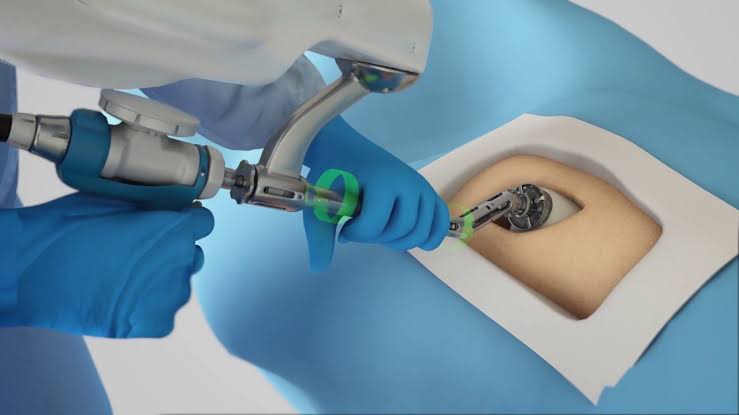
Robotic hip replacement combines orthopedic surgical expertise with computer-assisted technology to support selected stages of hip replacement. Moreover, the technology can help the surgical team plan the procedure according to the patient’s anatomy. Therefore, the surgeon can use detailed anatomical information to support implant positioning and surgical planning. In addition, the surgeon remains in control throughout the procedure and makes all important clinical decisions. However, robotic assistance does not independently perform the operation. As a result, the technology acts as a supportive tool that can complement the surgeon’s skills during appropriate hip replacement procedures.

How Does Robotic Hip Replacement Work?

The process begins with a detailed consultation and evaluation of your hip condition. Moreover, your surgeon reviews your symptoms, medical history, physical examination, imaging, and activity requirements. Therefore, the team can determine whether hip replacement represents an appropriate treatment and whether robotic assistance suits your case. In addition, the surgeon uses available anatomical information to develop an individualized surgical plan. During surgery, the robotic system can assist with selected aspects of the planned procedure. However, the surgeon continuously monitors the operation and maintains direct control. As a result, technology and surgical expertise work together to support personalized hip replacement care.

Who May Need Robotic Hip Replacement?

Robotic hip replacement may suit selected patients with significant hip joint damage and persistent symptoms. Moreover, doctors consider several factors before recommending surgery. Therefore, your orthopedic surgeon may evaluate:

  • Advanced hip osteoarthritis
  • Persistent hip pain
  • Significant joint degeneration
  • Difficulty walking
  • Reduced hip movement
  • Pain during daily activities
  • Difficulty sitting or standing
  • Reduced response to conservative treatment
  • Hip joint deformity
  • Overall health and activity goals

In addition, your surgeon will determine whether robotic assistance provides a suitable option for your individual condition.

Common Causes Of Severe Hip Damage

Several conditions can gradually affect the hip joint. Moreover, osteoarthritis can cause cartilage deterioration, stiffness, and persistent discomfort. Therefore, your orthopedic specialist may evaluate hip replacement when symptoms relate to:

  • Advanced osteoarthritis
  • Rheumatoid arthritis
  • Previous hip injuries
  • Hip joint degeneration
  • Certain hip deformities
  • Cartilage deterioration
  • Other advanced joint conditions

In addition, your doctor will consider the severity of joint damage and your response to previous treatments before recommending replacement surgery.

Symptoms That May Indicate Hip Replacement
Hip problems can gradually interfere with mobility and independence. Moreover, symptoms may become more noticeable during walking, standing, or physical activity. Therefore, consider an orthopedic evaluation if you experience: Persistent hip pain Hip stiffness Difficulty walking Pain while climbing stairs Reduced hip movement Difficulty putting on footwear Pain while standing for long periods Difficulty sitting or rising from a chair Pain that affects sleep Reduced ability to perform daily activities As a result, timely evaluation can help identify the cause of your symptoms and explain appropriate treatment options.

Diagnosis Before Robotic Hip Replacement

Accurate diagnosis helps your orthopedic surgeon choose an appropriate treatment approach. Moreover, the doctor will discuss your symptoms, medical history, previous treatments, and activity requirements. Therefore, the evaluation may include a physical examination and X-rays to assess joint damage and bone structure. In addition, your surgeon may recommend other imaging or investigations when necessary. However, doctors combine imaging findings with clinical assessment rather than relying on a scan alone. As a result, comprehensive evaluation supports personalized surgical planning and appropriate patient selection.

Benefits Of Robotic Hip Replacement

Robotic assistance may offer potential advantages during selected hip replacement procedures. Moreover, the exact benefits depend on the patient’s condition, surgeon, procedure, and technology available at the treatment center. Therefore, potential advantages may include:

  • Detailed surgical planning
  • Patient-specific anatomical assessment
  • Computer-assisted surgical guidance
  • Support for implant positioning
  • Assistance with alignment assessment
  • Personalized procedure planning
  • Support for surgical consistency
  • Detailed intraoperative information in selected systems

However, robotic assistance cannot guarantee a specific surgical result. As a result, discuss realistic expectations with your orthopedic surgeon before treatment.

Book An Appointment For Robotic Hip Replacement In Nagpur

Persistent hip pain can limit your movement and affect your quality of life. Moreover, an orthopedic consultation can help identify the cause of your symptoms and explain suitable treatment options. Therefore, if you are considering , schedule a consultation with an experienced orthopedic surgeon for a detailed hip evaluation.

Frequently Asked Questions (FAQ)

1. What is robotic hip replacement?
Robotic hip replacement uses computer-assisted technology to help the surgeon plan and perform selected steps of hip replacement.
No. The orthopedic surgeon controls the procedure and makes all important clinical decisions.
Patients with significant hip damage may qualify after a detailed orthopedic evaluation.
It may offer benefits for selected patients. Your surgeon will recommend the most suitable option for your condition.
Not always. The surgical approach depends on your anatomy, condition, and surgeon’s treatment plan.
No. Recovery depends on your health, surgery, rehabilitation, and healing response.

Robotic hip replacement in Nagpur

Consult Our Experienced Orthopaedic Surgeon for Detailed Guidance

Call Now Button