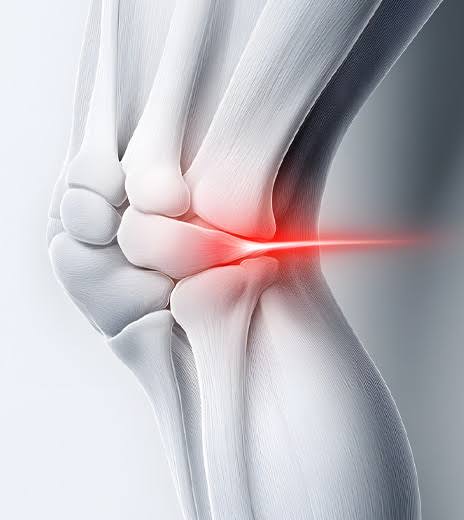
Minimally invasive joint replacement in Nagpur,Joint pain can gradually affect walking, climbing stairs, working, sleeping, and enjoying everyday activities. Therefore, patients searching for Minimally Invasive Joint Replacement In Nagpur can consult an experienced orthopedic specialist for a detailed evaluation and personalized treatment guidance. In addition, modern surgical techniques can help suitable patients receive a more focused approach to joint replacement while supporting careful handling of surrounding tissues. The specialist may assess your symptoms, medical history, joint movement, imaging reports, overall health, and response to previous treatments before recommending surgery. Furthermore, the doctor can explain whether non-surgical treatment, physiotherapy, medication, injections, or joint replacement may be appropriate for your condition.
What Is Minimally Invasive Joint Replacement?
Minimally invasive joint replacement in Nagpur ,Minimally invasive joint replacement uses a surgical approach that aims to limit unnecessary disruption to surrounding tissues while allowing the surgeon to replace a damaged joint. Moreover, the surgeon selects the approach according to the patient’s anatomy, joint condition, and procedure requirements. Therefore, not every patient qualifies for the same technique. In addition, the surgeon considers imaging, health status, previous treatments, and functional goals before recommending surgery. As a result, suitable patients can receive a treatment plan tailored to their individual needs.
Why Consider Minimally Invasive Joint Replacement?
Traditional and minimally invasive techniques can both provide appropriate treatment for selected patients. Moreover, the best approach depends on the joint condition, surgical complexity, anatomy, and surgeon’s expertise. Therefore, patients should not choose a procedure simply because it uses smaller incisions. In addition, a qualified orthopedic surgeon can explain the potential advantages, limitations, alternatives, and expected recovery. As a result, informed decision-making can help you select an approach that suits your condition.
Who May Need Joint Replacement?
Joint replacement may become an option when advanced joint damage causes persistent pain and significantly limits daily activities. Moreover, doctors usually evaluate non-surgical options before recommending replacement when those treatments can provide meaningful relief. Therefore, your specialist may consider joint replacement when you experience:
Persistent joint pain
Advanced arthritis
Significant cartilage damage
Severe stiffness
Reduced joint movement
Difficulty walking or standing
Pain during daily activities
Joint deformity
Limited response to conservative treatment
In addition, your doctor will assess your overall health and functional goals before recommending surgery.
Common Joints That May Need Replacement
Joint replacement can address severe damage in different parts of the body. Moreover, knee and hip replacements remain common orthopedic procedures, while selected patients may require shoulder or other joint replacement. Therefore, the surgeon evaluates the affected joint carefully before selecting the surgical technique. In addition, imaging helps the medical team understand bone condition, alignment, cartilage loss, and other structural changes. As a result, your specialist can recommend an appropriate procedure based on your individual diagnosis.
Minimally Invasive Knee Replacement
Severe knee arthritis can cause pain, stiffness, reduced movement, and difficulty with routine activities. Moreover, an orthopedic surgeon may consider knee replacement when conservative treatments no longer provide adequate relief. Therefore, the surgeon evaluates knee alignment, joint damage, ligament condition, overall health, and activity requirements before selecting a surgical approach. In addition, minimally invasive techniques may suit selected patients when the surgeon can safely achieve the required surgical goals. As a result, appropriate patients can work toward improved mobility through surgery and structured rehabilitation.
Minimally Invasive Hip Replacement
Hip damage can make walking, sitting, standing, and climbing stairs difficult. Moreover, advanced arthritis or other joint problems can gradually reduce mobility and affect quality of life. Therefore, your orthopedic specialist may recommend hip replacement after evaluating symptoms, imaging, bone condition, and functional needs. In addition, selected patients may qualify for a minimally invasive approach depending on their anatomy and surgical requirements. As a result, personalized treatment planning can help the surgeon choose a suitable technique for your hip condition.
Minimally Invasive Shoulder Replacement
Shoulder replacement can help selected patients with severe arthritis, joint damage, or other structural problems. Moreover, shoulder anatomy and soft-tissue condition can influence the surgical approach. Therefore, your orthopedic specialist will assess movement, strength, imaging findings, and overall joint condition before recommending treatment. In addition, the surgeon may consider a less invasive approach when it suits the procedure and patient. As a result, individualized planning can support appropriate treatment and postoperative rehabilitation.
Book An Appointment For Minimally Invasive Joint Replacement In Nagpur
Persistent joint pain can affect your independence and everyday comfort. Moreover, an orthopedic consultation can help identify the cause of your symptoms and determine whether joint replacement may suit your condition. Therefore, if you are considering Minimally Invasive Joint Replacement In Nagpur, schedule a consultation with an experienced orthopedic specialist.
Frequently Asked Questions (FAQ)
Minimally invasive joint replacement in Nagpur
Minimally invasive joint replacement in Nagpur
Consult Our Experienced Orthopaedic Surgeon for Detailed Guidance