Asian Institute Of Advanced Surgeries


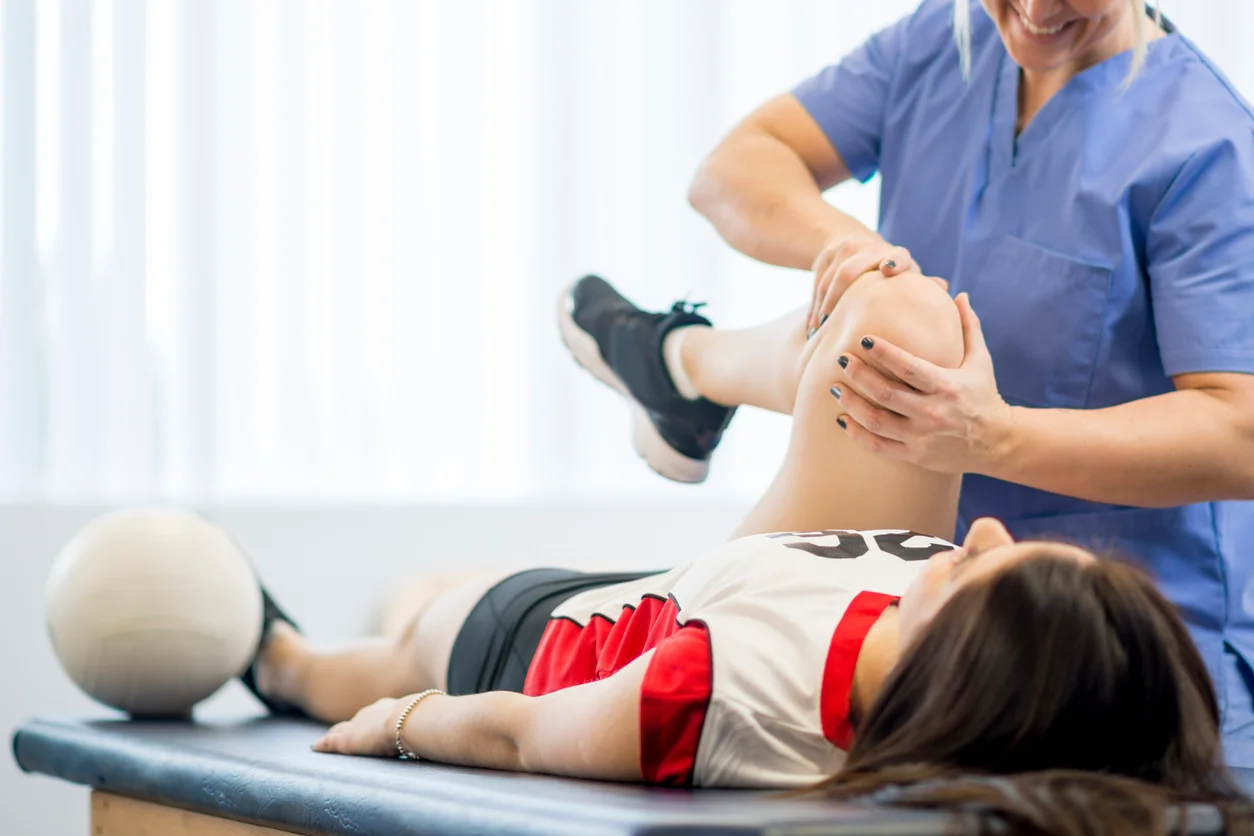
Sports Injury Surgeon In Rewa
What Does a Sports Injury Surgeon Treat?
A sports injury surgeon treats injuries that affect muscles, bones, joints, tendons, ligaments, and cartilage. Moreover, these specialists manage both sudden injuries and problems that develop from repeated sports activities.
Common sports injuries include:
- ACL and other knee ligament injuries
- Meniscus tears
- Shoulder dislocations
- Rotator cuff injuries
- Ankle ligament injuries
- Tennis elbow and golfer’s elbow
- Muscle and tendon injuries
- Sports-related fractures
- Cartilage injuries
- Joint instability
- Overuse injuries
- Patellar tendon injuries
Therefore, an accurate diagnosis helps determine whether you need physiotherapy, medication, activity modification, injections, or surgical treatment.
Why Choose a Sports Injury Surgeon In Rewa?
Sports injuries often require specialized assessment because athletes and active individuals want to regain both normal movement and physical performance. Therefore, a sports injury specialist considers your injury, age, activity level, fitness goals, and recovery needs.
Moreover, a Sports Injury Surgeon In Rewa can guide you through every stage of care. In addition, your treatment plan can focus on reducing pain, improving joint stability, restoring strength, and helping you safely return to sports.
Common Sports Injuries
ACL Injury
The anterior cruciate ligament, or ACL, helps stabilize the knee during running, jumping, and sudden direction changes. However, twisting movements, sudden stops, and sports collisions can injure this ligament.
Therefore, an orthopedic sports injury specialist may recommend physical examination and imaging to understand the injury. In addition, selected patients may need ACL reconstruction to restore knee stability.
Meniscus Tear
The meniscus cushions the knee and supports smooth joint movement. However, twisting the knee during sports can cause a meniscus tear.
Moreover, symptoms may include knee pain, swelling, catching, or difficulty moving the joint. Therefore, your surgeon may recommend conservative treatment or arthroscopic surgery depending on the tear and your symptoms.
Shoulder Dislocation
A shoulder dislocation can occur during contact sports, falls, or forceful movements. As a result, the shoulder may become painful, unstable, and difficult to move.
Therefore, prompt medical assessment can help identify the injury and reduce the risk of repeated instability. In addition, some patients may require surgical stabilization after recurrent dislocations.
Rotator Cuff Injury
The rotator cuff supports shoulder movement and stability. However, repetitive overhead activities, sports, or sudden injuries can affect these tendons.
Moreover, pain during lifting, weakness, and restricted shoulder movement can indicate a rotator cuff problem. Therefore, a sports injury surgeon can assess the condition and recommend an appropriate treatment approach.
Ankle Sprain
Ankle sprains commonly occur when the foot twists or rolls unexpectedly. However, athletes can experience repeated sprains when the ankle does not regain proper strength and stability.
Therefore, proper rehabilitation plays an important role in recovery. In addition, severe ligament injuries may require specialist evaluation and, in selected cases, surgery.
Signs You Should See a Sports Injury Surgeon
You should consider a specialist consultation when an injury continues to affect your daily activities or sports performance. Moreover, certain symptoms need timely evaluation.
Watch for:
- Persistent joint pain
- Significant swelling
- Repeated joint instability
- Difficulty walking or running
- Reduced range of motion
- Muscle weakness
- A popping sensation during injury
- Locking or catching of a joint
- Repeated sports injuries
- Pain that returns after activity
Therefore, do not ignore persistent symptoms simply because the pain temporarily improves.
Diagnosis of Sports Injuries
Sports Injury Surgeon In Rewa
A sports injury surgeon starts with your medical and injury history. Moreover, the doctor examines your joint movement, strength, stability, and areas of tenderness.
Depending on your symptoms, the surgeon may recommend imaging tests such as X-rays or MRI scans. Therefore, proper diagnosis helps identify ligament, tendon, cartilage, bone, or muscle problems.
In addition, your doctor considers your sporting activity and recovery goals while developing a treatment plan.
Sports Injury Treatment Options
Treatment depends on the type and severity of your injury. Therefore, your surgeon may recommend non-surgical or surgical care after a detailed evaluation.
Non-Surgical Treatment
Many sports injuries improve with appropriate conservative treatment. Moreover, your treatment may include:
- Rest and activity modification
- Physiotherapy
- Strengthening exercises
- Mobility exercises
- Pain management
- Bracing or support
- Gradual return-to-sport training
However, severe injuries may require surgical treatment when conservative care cannot restore proper function.
Arthroscopic Surgery
Arthroscopy allows surgeons to examine and treat certain joint problems through small incisions. Moreover, surgeons commonly use arthroscopic techniques for selected knee and shoulder injuries.
Therefore, arthroscopy can help treat conditions such as meniscus tears, ligament injuries, cartilage problems, and shoulder instability in suitable patients.
Ligament Reconstruction
Severe ligament injuries can affect joint stability and sports performance. Therefore, selected patients may benefit from ligament reconstruction.
Moreover, a structured rehabilitation program remains an important part of recovery after surgery. Your physiotherapist and surgeon can guide your progress through different recovery stages.
Rehabilitation After Sports Injury
Rehabilitation After Sports Injury
Recovery does not end after pain decreases. Therefore, rehabilitation helps rebuild strength, flexibility, balance, coordination, and joint control.
Moreover, a structured rehabilitation program can help you gradually increase physical activity. In addition, sport-specific exercises can prepare your body for movements required in your chosen activity.
As a result, following your rehabilitation plan can support a safer return to exercise and sports.
Preventing Sports Injuries
Sports Injury Surgeon In Rewa
You can reduce your injury risk by following good training habits. Moreover, prevention becomes especially important when you participate in high-impact or competitive sports.
Consider these habits:
- Warm up before exercise.
- Use proper sports techniques.
- Increase training intensity gradually.
- Strengthen supporting muscles.
- Improve flexibility and mobility.
- Wear suitable protective equipment.
- Stay hydrated.
- Take adequate recovery time.
- Avoid training through significant pain.
Therefore, listening to your body can help you identify problems before they become more serious.
When Can You Return to Sports?
Return-to-sport timing depends on your injury, treatment, rehabilitation progress, and physical demands. Therefore, you should not return to competitive activity simply because your pain has reduced.
Moreover, your surgeon and physiotherapist may assess strength, movement, balance, stability, and sport-specific performance before recommending a return. As a result, a gradual return can help reduce the risk of reinjury.
Why Early Treatment Matters
Ignoring a sports injury can sometimes allow weakness, instability, or movement problems to continue. However, early assessment can help identify the underlying problem and guide appropriate treatment.
Moreover, timely rehabilitation can help restore normal movement and strength. Therefore, consult a qualified Sports Injury Surgeon In Rewa when symptoms persist or interfere with your activity.
Your Journey Back to an Active Lifestyle
Sports injuries can feel frustrating, especially when they interrupt your training, work, or favorite activities. However, the right treatment approach can help you move toward recovery with greater confidence.
Moreover, a personalized plan can address your specific injury and activity goals. Therefore, professional evaluation, appropriate treatment, and consistent rehabilitation can work together to support your return to an active lifestyle.