Asian Institute Of Advanced Surgeries


Why Choose the Best Shoulder Surgeon In Narsinghpur?
Choosing the right shoulder specialist can make a significant difference in your treatment journey. Moreover, an experienced surgeon understands different shoulder conditions and their effects on daily activities. Therefore, you should consider the surgeon’s experience, treatment approach, surgical expertise, and patient-focused care before making your decision.
A good shoulder surgeon focuses on accurate diagnosis before recommending surgery. In addition, the specialist discusses non-surgical options when they can provide suitable results. However, some severe injuries may require surgical treatment. As a result, proper evaluation helps you choose the right approach for your shoulder problem.
Common Shoulder Problems | Best Shoulder Surgeon In Narsinghpur
Shoulder problems can develop after an injury, repetitive activity, sports, or age-related changes. Moreover, some conditions can gradually worsen without appropriate care. Therefore, consult a shoulder specialist when pain or stiffness continues to affect your routine.
Common shoulder conditions include:
- Rotator cuff injuries
- Rotator cuff tears
- Frozen shoulder
- Shoulder arthritis
- Shoulder dislocation
- Shoulder instability
- Labral tears
- Shoulder impingement
- Tendon injuries
- Biceps tendon problems
- Sports-related shoulder injuries
- Fractures around the shoulder
In addition, each condition requires a different treatment approach. Therefore, a shoulder surgeon first identifies the underlying problem before recommending treatment.
Rotator Cuff Treatment | Best Shoulder Surgeon In Narsinghpur
The rotator cuff helps stabilise your shoulder and supports several arm movements. However, sudden injuries, repetitive overhead activities, and age-related changes can damage these tendons. Moreover, a rotator cuff injury can cause pain, weakness, and difficulty lifting your arm.
A shoulder specialist may recommend rest, activity modification, medicines, physiotherapy, or targeted exercises for suitable cases. In addition, some patients with significant tendon damage may require surgery. Therefore, early assessment can help prevent ongoing shoulder weakness and movement problems.
Frozen Shoulder Treatment | Best Shoulder Surgeon In Narsinghpur
Best Shoulder Surgeon In Narsinghpur
Frozen shoulder can cause stiffness, pain, and restricted shoulder movement. Moreover, simple activities such as dressing, reaching, or lifting objects can become difficult. Therefore, timely treatment can help you regain shoulder movement and reduce discomfort.
Treatment may include physiotherapy, stretching exercises, medicines, and other suitable approaches. However, severe stiffness may require additional procedures when conservative treatment does not provide adequate improvement. As a result, a shoulder specialist can guide you through an appropriate recovery plan.
Shoulder Dislocation Treatment
A shoulder dislocation occurs when the upper arm bone moves out of its normal position in the shoulder joint. Moreover, sports injuries, falls, and accidents can cause this problem. Therefore, you should seek prompt medical attention after a suspected dislocation.
Your doctor evaluates the injury and checks the surrounding tissues. In addition, the specialist may recommend imaging tests to identify associated damage. However, repeated dislocations may indicate shoulder instability and may require further treatment. As a result, proper diagnosis can help reduce the risk of future problems.
Shoulder Arthritis | Best Shoulder Surgeon In Narsinghpur
Shoulder arthritis can cause pain, stiffness, and reduced movement. Moreover, symptoms can gradually interfere with work, exercise, and household activities. Therefore, you should consult a shoulder specialist when persistent pain affects your quality of life.
Doctors may initially recommend medicines, physiotherapy, exercises, and lifestyle adjustments. However, advanced arthritis may require surgical treatment in selected patients. In addition, your surgeon can explain the available options based on your joint condition and activity requirements.
Shoulder Impingement
Shoulder impingement can cause pain when you raise or move your arm. Moreover, repetitive overhead movements can aggravate the symptoms. Therefore, athletes and people who perform repetitive shoulder activities may experience this condition.
A shoulder specialist can assess your movement and identify factors contributing to the pain. In addition, treatment may include physiotherapy, exercises, medicines, and activity modification. However, some persistent cases may need further evaluation or surgical treatment.
When Should You Visit a Shoulder Surgeon?
You should consider a consultation when shoulder pain continues despite rest or basic care. Moreover, you should seek professional evaluation if pain interferes with sleep, work, exercise, or daily activities.
Consider consulting a shoulder specialist if you experience:
- Persistent shoulder pain
- Severe shoulder stiffness
- Repeated shoulder dislocation
- Arm weakness
- Difficulty lifting your arm
- Pain after a sports injury
- Shoulder swelling
- Clicking or popping with pain
- Reduced shoulder movement
- Pain that affects your sleep
In addition, sudden severe pain after an accident or injury needs prompt medical attention. Therefore, do not ignore significant shoulder symptoms.
Diagnosis For Shoulder Problems | Best Shoulder Surgeon In Narsinghpur
An accurate diagnosis helps your doctor understand the cause of your shoulder symptoms. Moreover, the specialist starts with your medical history and physical examination. The doctor checks your shoulder movement, muscle strength, tenderness, and joint stability.
Depending on your symptoms, the doctor may recommend an X-ray, ultrasound, MRI, or other diagnostic test. In addition, these tests can help identify tendon injuries, cartilage problems, arthritis, fractures, or other structural changes. As a result, your doctor can create a treatment plan based on your specific condition.
Non-Surgical Shoulder Treatment | Best Shoulder Surgeon In Narsinghpur
Many shoulder conditions improve with non-surgical treatment. Moreover, doctors often consider conservative treatment before recommending surgery when appropriate. Your treatment may include physiotherapy, exercises, medicines, activity modification, or other suitable options.
Physiotherapy can improve shoulder strength, flexibility, and movement. In addition, targeted exercises can support your recovery and help you return to daily activities. However, treatment requirements vary between patients. Therefore, follow a treatment plan designed around your condition and recovery needs.
Shoulder Surgery
Some shoulder injuries require surgical treatment when significant structural damage causes persistent symptoms. Moreover, surgeons may consider surgery for selected rotator cuff tears, recurrent shoulder dislocations, severe tendon injuries, or other conditions.
Depending on the problem, your surgeon may recommend arthroscopic or open surgery. In addition, your doctor will explain the procedure, expected recovery, potential risks, and rehabilitation requirements. Therefore, discuss your concerns with your surgeon before choosing surgery.
Arthroscopic Best Shoulder Surgeon In Narsinghpur
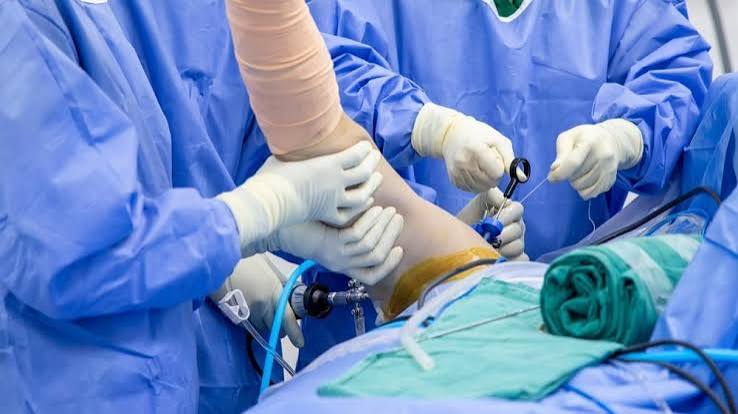
Shoulder arthroscopy uses a small camera and specialized instruments to examine and treat problems inside the shoulder joint. Moreover, surgeons can use this approach for selected rotator cuff injuries, labral problems, shoulder impingement, and other conditions.
The surgeon makes small incisions to access the joint and perform the required procedure. In addition, your recovery plan may include physiotherapy and gradual return to activities. However, recovery time depends on the procedure and your individual condition.
Recovery After Shoulder Surgery
Recovery depends on the type of shoulder problem and the procedure you receive. Moreover, following your surgeon’s instructions can support a safe and steady recovery. Your rehabilitation program may include rest, prescribed exercises, physiotherapy, and gradual movement.
You should avoid returning to demanding activities too quickly. In addition, regular follow-up appointments allow your surgeon to monitor your progress. Therefore, patience and consistent rehabilitation can play an important role in restoring shoulder function.