Asian Institute Of Advanced Surgeries

What Is the Rotator Cuff?
Rotator Cuff Surgeon In Chhindwara
The rotator cuff consists of four muscles and their tendons around the shoulder joint. Moreover, these structures help stabilize the shoulder and support movements such as lifting, rotating, and reaching.
A tear or injury can affect the strength and movement of your shoulder. Therefore, you may experience pain, weakness, stiffness, or difficulty performing routine activities. In addition, repeated overhead movements, sports, falls, and age-related tendon changes can increase the risk of rotator cuff problems.
When Should You See a Rotator Cuff Surgeon?
You should consider a consultation when shoulder pain continues despite rest or basic care. Moreover, you should seek an evaluation if pain affects your sleep, work, exercise, or daily movements.
Common symptoms include:
- Persistent shoulder pain
- Pain while lifting the arm
- Shoulder weakness
- Difficulty reaching overhead
- Pain while sleeping on the affected side
- Reduced shoulder movement
- Clicking or discomfort during movement
- Sudden weakness after an injury
- Difficulty performing sports or gym activities
Therefore, early evaluation can help identify the problem and guide appropriate treatment.
Common Rotator Cuff Problems
A Rotator Cuff Surgeon In Chhindwara can evaluate several conditions affecting the shoulder tendons and surrounding structures. Moreover, each condition can require a different treatment approach.
Rotator Cuff Tear
A rotator cuff tear can occur after a fall, sports injury, sudden lifting movement, or gradual tendon degeneration. Therefore, persistent pain and weakness require proper assessment.
Rotator Cuff Tendinitis
Tendon inflammation can cause pain during shoulder movement. In addition, repetitive overhead activities can increase irritation and discomfort.
Shoulder Impingement
Shoulder impingement can cause pain when you raise your arm. Moreover, it can affect sports performance and routine movements when symptoms continue.
Partial Rotator Cuff Tear
A partial tear does not completely divide the tendon. However, it can still cause pain, weakness, and limited movement.
Complete Rotator Cuff Tear
A complete tear can significantly affect shoulder strength and function. Therefore, a surgeon may recommend advanced treatment after evaluating the tear, symptoms, age, activity level, and overall shoulder condition.
How Does a Rotator Cuff Surgeon Diagnose the Problem?
Your surgeon will first discuss your symptoms and injury history. Moreover, a physical examination can help assess shoulder strength, movement, tenderness, and stability.
Your doctor may recommend imaging when necessary. In addition, an X-ray can help evaluate bones and other shoulder changes, while an MRI or ultrasound can provide information about the rotator cuff tendons.
Therefore, your surgeon can combine your symptoms, examination findings, and imaging results before recommending treatment.
Rotator Cuff Treatment Options
Rotator Cuff Surgeon In Chhindwara
Treatment depends on the severity and type of injury. Moreover, your surgeon will consider your age, activity level, symptoms, tendon condition, and treatment goals.
Non-Surgical Treatment
Many shoulder problems can improve with non-surgical care. Therefore, your treatment plan may include:
- Activity modification
- Physiotherapy
- Shoulder-strengthening exercises
- Pain management
- Mobility exercises
- Guidance for returning to sports or work
In addition, physiotherapy can help improve shoulder strength, flexibility, and movement when your condition allows conservative treatment.
Arthroscopic Rotator Cuff Surgery
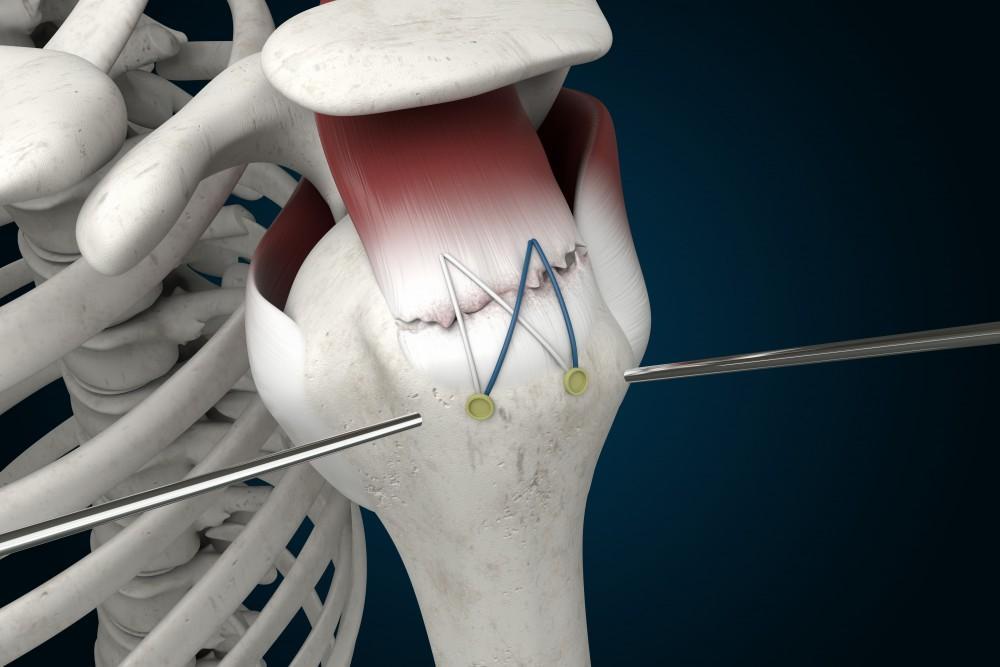
Some significant tears may require surgical treatment. Moreover, arthroscopic surgery allows the surgeon to use small incisions and specialized instruments to repair the damaged tendon.
During the procedure, the surgeon evaluates the shoulder joint and repairs the torn tendon when appropriate. Therefore, the treatment can focus on restoring shoulder stability and improving function.
Why Choose an Experienced Rotator Cuff Surgeon?
Rotator Cuff Surgeon In Chhindwara
Shoulder problems can involve muscles, tendons, ligaments, cartilage, and bones. Therefore, you need a careful evaluation before choosing a treatment.
An experienced Rotator Cuff Surgeon In Chhindwara can assess your condition and explain your treatment choices clearly. Moreover, your surgeon can help you understand the expected recovery process and rehabilitation requirements.
In addition, personalized treatment can help you return to everyday activities with greater confidence. However, every rotator cuff injury differs, so your doctor should create the treatment plan according to your individual condition.
Rotator Cuff Surgery Recovery
Recovery depends on the type of injury and the treatment you receive. Moreover, your surgeon may recommend a structured rehabilitation program after surgery.
Physiotherapy usually focuses on protecting the repair initially and gradually restoring movement and strength. Therefore, following your rehabilitation plan can support your recovery.
In addition, you should follow your surgeon’s instructions regarding exercises, lifting, driving, work, and sports. As a result, you can progress safely toward normal shoulder function.
How Can You Protect Your Rotator Cuff?
You can reduce shoulder strain by using proper exercise techniques and avoiding sudden increases in training intensity. Moreover, warm up before sports and strengthen the muscles around your shoulder and upper back.
You should also take breaks during repetitive overhead activities. Therefore, proper posture, controlled movements, and gradual strengthening can support long-term shoulder health.