Asian Institute Of Advanced Surgeries

Expert Sports Injury Treatment In Chhindwara
Sports Injury Surgeon In Chhindwara
Sports Injuries We Treat
A sports injury surgeon can manage several injuries that affect athletes and physically active individuals. Moreover, treatment depends on the location, severity, and type of injury.
Common sports injuries include:
- ACL and other knee ligament injuries
- Meniscus tears
- Rotator cuff injuries
- Shoulder dislocation and instability
- Sports-related shoulder pain
- Tennis elbow and other elbow injuries
- Ankle sprains
- Achilles tendon injuries
- Muscle and tendon injuries
- Cartilage injuries
- Sports-related fractures
- Recurrent joint injuries
- Overuse injuries
Therefore, you should not ignore persistent pain, swelling, weakness, or restricted movement after sports activity.
When Should You Visit a Sports Injury Surgeon?
You should consider a consultation when an injury continues to affect your normal activities. Moreover, certain symptoms may indicate a significant ligament, tendon, cartilage, or joint problem.
Consider consulting a Sports Injury Surgeon In Chhindwara if you experience:
- Persistent pain after an injury
- Repeated joint swelling
- Difficulty walking or running
- Reduced joint movement
- Joint instability or a feeling of giving way
- Persistent weakness
- Pain during sports or exercise
- Recurrent injuries in the same area
- Difficulty returning to your previous activity level
In addition, seek prompt medical attention after a major injury, severe swelling, visible deformity, or inability to bear weight.
Diagnosis For Sports Injuries
Sports Injury Treatment Options
Sports Injury Surgeon In Chhindwara
Treatment varies according to the injury and your individual needs. Moreover, many sports injuries improve with appropriate non-surgical treatment and rehabilitation.
Your treatment plan may include:
- Rest and activity modification
- Ice or other supportive measures
- Medicines when appropriate
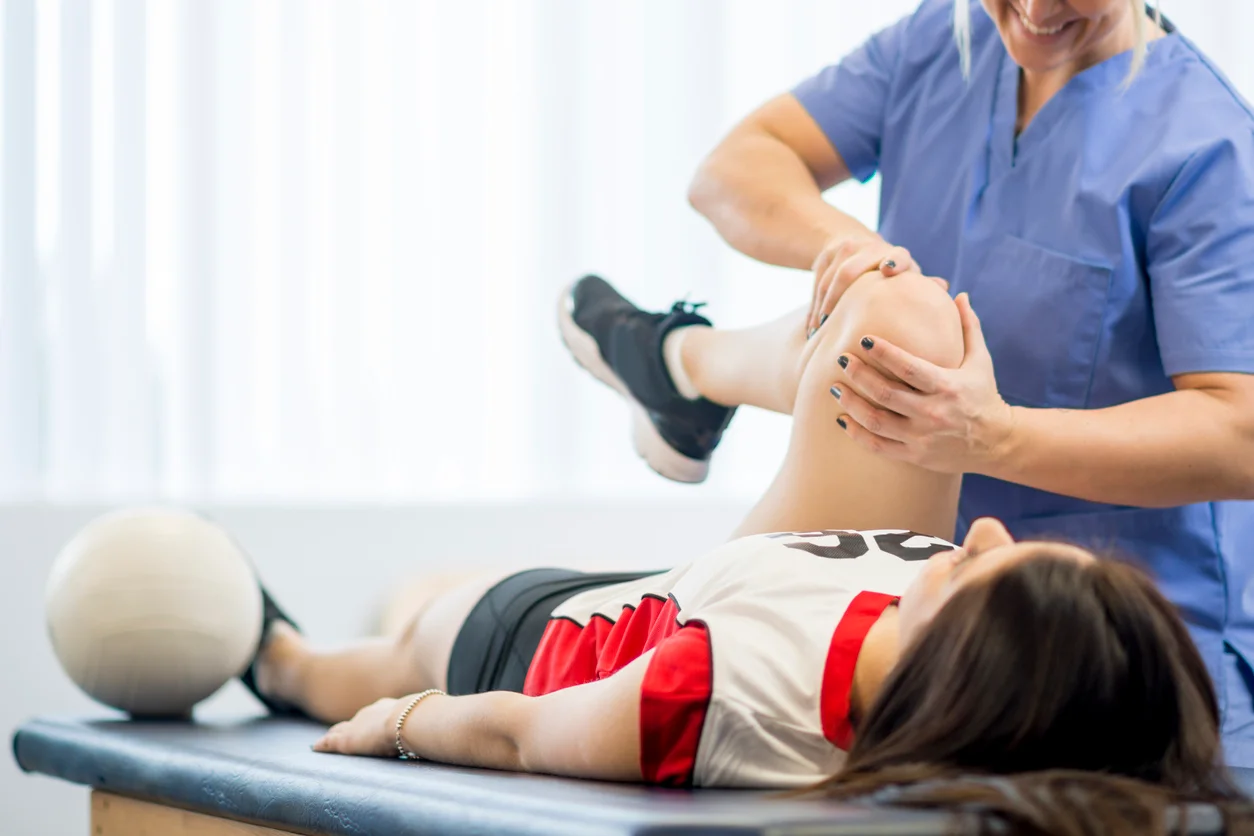
- Physiotherapy
- Strengthening exercises
- Flexibility and mobility exercises
- Bracing or supportive devices
- Gradual return-to-sport training
- Arthroscopic procedures when indicated
- Surgical treatment for selected severe injuries
Therefore, your surgeon can recommend the most appropriate option after evaluating your condition.
Arthroscopic Sports Injury Surgery
Some sports injuries require minimally invasive surgical treatment. Moreover, arthroscopy allows a surgeon to examine and treat certain joint problems through small incisions.
Surgeons commonly use arthroscopic techniques for selected knee and shoulder injuries. In addition, arthroscopy may help address problems such as meniscus tears, ligament injuries, cartilage damage, and shoulder instability.
However, not every injury requires surgery. Therefore, your surgeon should assess your symptoms, examination findings, imaging results, activity requirements, and recovery goals before recommending an operation.
ACL Injury Treatment In Chhindwara
Sports Injury Surgeon In Chhindwara
The ACL helps stabilize the knee during movements such as running, jumping, and changing direction. Moreover, sports that involve sudden stops or direction changes can increase the risk of ACL injury.
An ACL injury can cause pain, swelling, instability, and difficulty continuing sports activities. Therefore, a sports injury surgeon can evaluate the injury and determine whether rehabilitation or surgical reconstruction may suit your condition.
In addition, proper rehabilitation remains important after both non-surgical and surgical treatment. As a result, patients can gradually rebuild strength, balance, movement, and confidence.
Shoulder Sports Injury Treatment
Shoulder injuries can affect athletes involved in throwing, lifting, contact sports, and repetitive overhead movements. Moreover, problems involving the rotator cuff, labrum, ligaments, or shoulder joint can cause pain and weakness.
A sports injury surgeon in Chhindwara can evaluate shoulder symptoms and identify the likely cause. Therefore, treatment may include physiotherapy, activity modification, medication, injections in selected cases, or surgery when appropriate.
Knee Sports Injury Treatment
The knee absorbs significant stress during running, jumping, twisting, and landing. Moreover, athletes can develop ligament injuries, meniscus tears, cartilage problems, and overuse-related pain.
A detailed assessment can help determine the source of knee symptoms. In addition, rehabilitation can improve strength, flexibility, coordination, and joint stability. Therefore, early professional evaluation can support a safer return to activity.
Rehabilitation After Sports Injury
Recovery does not end when pain decreases. Moreover, returning to intense activity too quickly can increase the risk of reinjury.
A structured rehabilitation program can improve strength, flexibility, balance, coordination, and sport-specific movement. In addition, your physiotherapist and surgeon can monitor your progress and adjust exercises as your recovery improves.
Therefore, follow your rehabilitation plan and increase activity gradually rather than returning to full intensity immediately.
Why Choose a Sports Injury Surgeon In Chhindwara?
Choosing the right specialist can make your treatment journey more organized and focused. Moreover, a sports injury surgeon understands the physical demands that sports and exercise place on the body.
A specialist can evaluate your injury, explain your treatment choices, and help you understand the expected recovery process. In addition, the treatment plan can consider your sport, daily activities, fitness level, and personal recovery goals.
As a result, you can make informed decisions about your sports injury care.
Preventing Sports Injuries
You can reduce your risk of many sports injuries with appropriate preparation and training. Moreover, good technique and gradual progression can help your body adapt to physical demands.
Follow these simple precautions:
- Warm up before exercise
- Cool down after training
- Increase workout intensity gradually
- Use proper sports equipment
- Maintain correct exercise technique
- Strengthen supporting muscles
- Include mobility and flexibility exercises
- Take adequate recovery breaks
- Stay hydrated
- Do not ignore persistent pain
Therefore, consistent injury-prevention habits can support long-term sports performance.
Book A Consultation With A Sports Injury Surgeon In Chhindwara
Persistent sports pain should not control your activity or limit your performance. Moreover, early assessment can help identify the underlying problem and guide appropriate treatment.
If you experience recurring pain, swelling, weakness, instability, or restricted movement, consult a qualified Sports Injury Surgeon In Chhindwara. Therefore, professional evaluation can help you understand your condition and choose a suitable path toward recovery.