Asian Institute Of Advanced Surgeries

Why Choose Dr. Siddharth Jain for Arthroscopy?
Best Arthroscopy Specialist Doctor In Balaghat
Choosing the right specialist can make your treatment journey easier. Moreover, an experienced approach helps patients understand their condition and available treatment options. Dr. Siddharth Jain focuses on patient-friendly communication and condition-specific orthopaedic care.
What Is Arthroscopy?
Arthroscopy Conditions We Treat
Dr. Siddharth Jain can check different joint problems and injuries that may need arthroscopy. Moreover, the right treatment depends on the problem and the patient’s needs.
Common conditions may include:
- Knee ligament injuries
- Meniscus tears
- Cartilage damage
- Shoulder instability
- Rotator cuff problems
- Shoulder impingement
- Sports-related joint injuries
- Some ankle injuries
- Loose pieces inside a joint
- Some cases of joint stiffness
- Other joint problems that may need arthroscopy
Therefore, patients should get a proper check-up before choosing surgery. This helps the doctor understand the joint problem and choose the right treatment.
Knee Arthroscopy
Best Arthroscopy Specialist Doctor In Balaghat
Knee injuries can affect walking, exercise, sports, and everyday activities. Moreover, problems such as meniscus injuries, selected ligament injuries, and cartilage damage may require specialist evaluation.
Dr. Siddharth Jain assesses the symptoms and diagnostic findings before recommending treatment. Therefore, patients can receive a treatment plan based on their specific knee condition rather than a one-size-fits-all approach.
Shoulder Arthroscopy
Best Arthroscopy Specialist Doctor In Balaghat
Sports Injury Arthroscopy
Sports injuries can affect athletes and active individuals at different levels. Moreover, twisting injuries, falls, sudden movements, and repetitive stress can affect the knee, shoulder, ankle, and other joints.
Dr. Siddharth Jain evaluates the injury and considers your activity goals before suggesting treatment. Therefore, suitable patients may receive arthroscopic care followed by a structured rehabilitation plan to support a gradual return to activity.
Benefits of Arthroscopic Treatment
Best Arthroscopy Specialist Doctor In Balaghat
Arthroscopy may offer several benefits for suitable patients. However, the benefits depend on the joint problem, treatment, health, and recovery plan.
Potential benefits may include:
Smaller cuts during surgery
Less harm to nearby tissues
Less pain after surgery in some cases
Earlier joint movement for some patients
Lower risk of some problems than open surgery
A clear view of the joint during surgery
Focused treatment for certain joint problems
Moreover, your bone and joint doctor can explain the possible benefits and limits before surgery. Therefore, you can better understand the treatment and recovery process.
Your Arthroscopy Consultation
A detailed consultation helps establish the right treatment approach. First, Dr. Siddharth Jain discusses your symptoms, injury history, previous treatment, and daily limitations. Moreover, he may recommend a physical examination and suitable diagnostic tests.
Therefore, imaging such as X-rays or MRI scans may help assess specific joint problems when clinically appropriate. In addition, your specialist can explain whether conservative treatment, physiotherapy, medication, injections, or arthroscopy may suit your condition.
Arthroscopy Treatment Process
Best Arthroscopy Specialist Doctor In Balaghat
1. Initial Evaluation
The specialist reviews your symptoms and medical history. Moreover, a physical examination helps identify the affected joint and possible causes.
2. Diagnostic Assessment
Your doctor may recommend imaging or other tests when necessary. Therefore, these findings can help confirm the diagnosis and guide treatment decisions.
3. Treatment Planning
The specialist explains suitable treatment options. However, surgery may only become necessary when conservative care does not provide adequate improvement or when the injury requires surgical management.
4. Arthroscopic Procedure
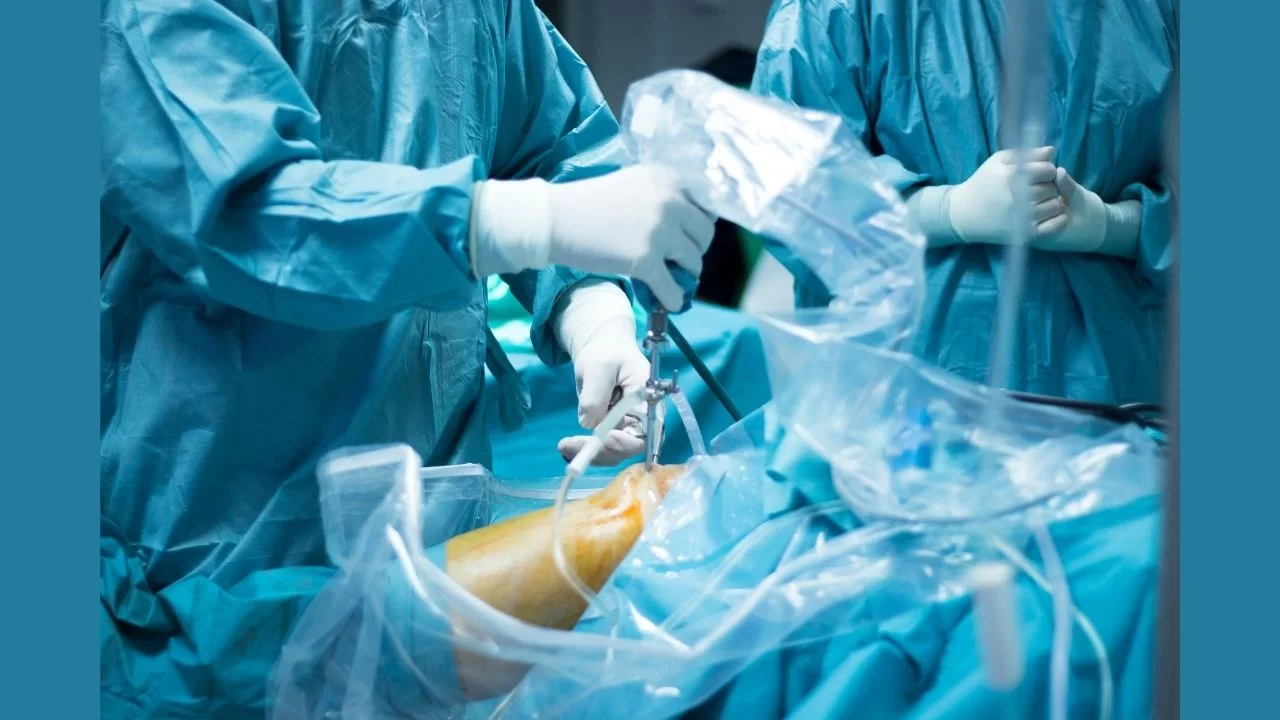
During arthroscopy, the surgeon uses a small camera to view the joint. In addition, specialised instruments can help address selected problems through small incisions.
5. Rehabilitation
Recovery continues after the procedure. Moreover, physiotherapy and prescribed exercises can help restore mobility, strength, stability, and function.
Recovery After Arthroscopy
Best Arthroscopy Specialist Doctor In Balaghat
Every patient follows an individual recovery timeline. Moreover, recovery can depend on the joint treated, the type of procedure, tissue healing, physical condition, and rehabilitation.
Your specialist may provide instructions regarding movement, weight-bearing, exercises, wound care, and follow-up visits. Therefore, following these recommendations can support a safe and progressive recovery. However, patients should avoid returning to strenuous activities before their doctor confirms that the joint can handle them.
Frequently Asked Questions (FAQ) - Best Arthroscopy Specialist Doctor In Balaghat
1. What is arthroscopy?
2. Who needs arthroscopy?
3. Is arthroscopy painful?
4. How long does recovery take?
Yes, an orthopaedic doctor can check the cause of knee pain and suggest suitable treatment. Moreover, treatment may include exercise, medicines, physiotherapy, injections, or surgery when needed.