Asian Institute Of Advanced Surgeries


Minimally Invasive Orthopaedic Surgery In Nagpur
Dr. Siddharth Jain
MBBS, MS, DNB, FIAS (England)
Arthroscopy, Sports Injury, Orthopedic Surgeon
Dr. Jain remembers every patient who came to him scared. The young cricketer worried his sports career was over. The homemaker who thought she’d never cook standing up again. The grandfather who just wanted to walk his granddaughter to school one more time.
That’s why, after completing his orthopaedic training, he chose to specialise further. He spent additional years at AIIMS Delhi learning advanced techniques in sports injuries and joint care—not because he wanted another degree, but because he wanted to give people better options. Options with less pain. Faster recovery. Smaller interventions.
Minimally Invasive Orthopaedic Surgery In Nagpur
Minimally Invasive Orthopaedic Surgery in Nagpur When joint or bone problems affect your daily life, you may want effective treatment with less disruption. Minimally Invasive Orthopaedic Surgery In Nagpur uses small incisions and specialized techniques to treat several musculoskeletal conditions. Moreover, these procedures can help reduce tissue damage compared with traditional open surgery in suitable patients. Therefore, patients may experience less postoperative discomfort, smaller scars, and a smoother recovery. However, every patient needs an individual assessment before choosing a surgical approach.

What Is Minimally Invasive Orthopaedic Surgery?

Minimally invasive orthopaedic surgery uses specialized instruments and small incisions to access the affected joint, bone, or soft tissue. Moreover, surgeons use techniques such as arthroscopy and other minimally invasive approaches for selected orthopaedic conditions. Therefore, the surgeon can target the affected area while limiting unnecessary disruption to surrounding tissues. However, the appropriate technique depends on your diagnosis, symptoms, age, activity level, and overall health.

Therefore, consulting a specialist such as Dr. Siddharth Jain helps patients receive structured evaluation and practical guidance for managing these issues. At Asian Institute of Advanced Surgeries, patients are encouraged to discuss symptoms openly so that the condition can be assessed thoroughly.

Benefits of Minimally Invasive Orthopaedic Surgery

Many suitable patients choose minimally invasive surgery because it can offer many benefits. Moreover, smaller cuts may cause less pain and leave smaller scars. Therefore, some patients may get back to their usual work sooner than after some standard surgeries. In addition, these methods let surgeons treat the problem with less harm to nearby tissues.

Possible benefits may include:

  • Smaller cuts during surgery

  • Less damage to nearby tissues

  • Less pain after surgery in some cases

  • Smaller scars

  • Earlier movement after some procedures

  • Shorter hospital stays for some surgeries

  • Faster return to daily work when safe

However, results can differ from one person to another. Therefore, your orthopaedic surgeon should explain the benefits, limits, risks, and recovery time before treatment. This helps you understand what to expect and make the right choice for your care.

Conditions Treated With Minimally Invasive Orthopaedic Surgery

Minimally invasive surgery can help treat many joint and muscle problems. Moreover, surgeons often use keyhole surgery for some knee, shoulder, ankle, hip, and other joint problems. Therefore, your doctor may suggest this type of surgery when it suits your condition.

Treatment may help with:

  • ACL and other ligament tears

  • Meniscus tears

  • Some cartilage damage

  • Shoulder pain from tissue rubbing

  • Rotator cuff problems

  • Shoulder joint weakness or looseness

  • Some joint injuries

  • Some sports injuries

  • Some bone breaks and joint problems

However, not every problem needs minimally invasive surgery. Therefore, your doctor will check your condition before choosing the best care. In some cases, rest, medicine, or physical therapy may work better than surgery.

Common Minimally Invasive Orthopaedic Procedures

Arthroscopic Surgery

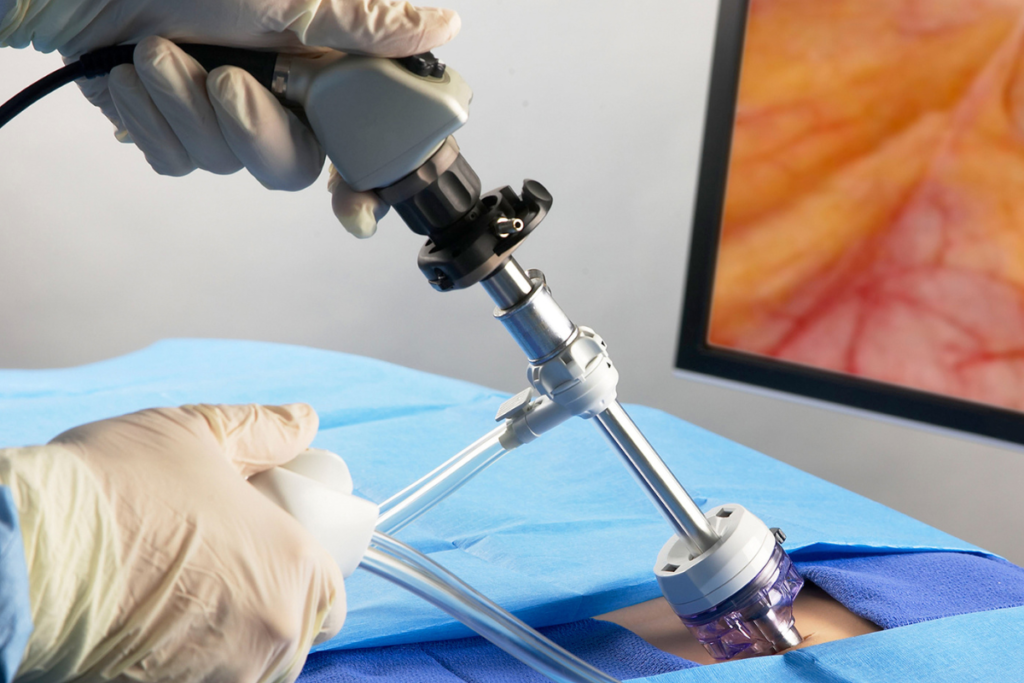
Arthroscopy allows the surgeon to examine and treat problems inside a joint through small openings. Moreover, a small camera provides a clear view of the joint during the procedure. Therefore, surgeons can perform selected treatments using specialized instruments without making a large incision.

Minimally Invasive Knee Surgery

Knee arthroscopy can help treat selected meniscus tears, ligament injuries, cartilage problems, and other conditions. Moreover, the surgeon selects the technique according to the injury and your functional requirements. Therefore, proper diagnosis plays an important role in achieving a suitable treatment plan.

Minimally Invasive Shoulder Surgery

Shoulder arthroscopy can help treat selected rotator cuff problems, instability, impingement, and other shoulder conditions. In addition, the technique allows the surgeon to inspect different structures within the shoulder joint. Therefore, patients can receive targeted treatment when their condition meets the criteria for arthroscopic surgery.

Minimally Invasive Fracture Treatment

Some fractures may benefit from minimally invasive fixation techniques. Moreover, these approaches can reduce soft-tissue disruption in carefully selected cases. However, fracture location, pattern, stability, and overall health determine the most appropriate surgical method.

Who May Need Minimally Invasive Orthopaedic Surgery?

Your orthopaedic surgeon may consider minimally invasive surgery when symptoms continue despite appropriate non-surgical treatment or when an injury requires surgical correction. Moreover, imaging tests and physical examination help identify the source of your symptoms. Therefore, your doctor can select a treatment approach based on your individual condition.
Patients with sports injuries, ligament tears, meniscus injuries, selected shoulder problems, and certain joint conditions may qualify for minimally invasive procedures. However, severe damage or complex conditions may require another surgical approach. Therefore, your surgeon should discuss all suitable options before treatment.

Diagnosis Before Minimally Invasive Surgery

Accurate diagnosis forms the foundation of successful orthopaedic treatment. Moreover, your doctor may perform a physical examination and review your symptoms, medical history, and activity level. In addition, imaging such as X-rays, ultrasound, CT scans, or MRI may help identify structural problems. Therefore, your surgeon can understand the injury and choose the most suitable treatment.

What Happens During the Procedure?

Before surgery, your medical team prepares you according to the planned procedure and anesthesia requirements. Moreover, the surgeon makes small incisions and uses specialized instruments to access the affected area. Therefore, the surgeon can perform the required repair or treatment through a targeted approach. After the procedure, your medical team monitors you and provides instructions for wound care, medication, movement, and rehabilitation.

Recovery After Minimally Invasive Orthopaedic Surgery

Recovery depends on the type of surgery, your condition, and your overall health. Moreover, your surgeon may recommend physiotherapy and controlled exercises to restore strength, flexibility, balance, and joint function. Therefore, following your rehabilitation plan can support a safe and progressive recovery. However, you should avoid strenuous activities until your doctor confirms that your joint or bone can handle increased stress.

Why Physiotherapy Matters After Surgery

Physiotherapy forms an important part of recovery after many orthopaedic procedures. Moreover, a physiotherapist can guide you through exercises that gradually improve movement and strength. Therefore, structured rehabilitation can help you regain confidence in the treated joint. In addition, therapy can help you return to work, sports, and everyday activities according to your recovery stage.

Minimally Invasive vs Traditional Orthopaedic Surgery

Both minimally invasive and traditional surgery have important roles in orthopaedic care. Moreover, minimally invasive techniques can reduce incision size and soft-tissue disruption for suitable conditions. However, traditional surgery may provide better access for certain complex injuries, severe joint damage, or complicated fractures. Therefore, your surgeon should recommend the approach that best addresses your condition rather than choosing a technique based only on incision size.

Why Choose Minimally Invasive Orthopaedic Surgery in Nagpur?

Choosing the right orthopaedic treatment requires careful diagnosis, surgical expertise, appropriate technology, and planned rehabilitation. Moreover, patients seeking Minimally Invasive Orthopaedic Surgery in Nagpur can discuss their symptoms and treatment options with an experienced orthopaedic specialist. Therefore, you can understand whether minimally invasive treatment suits your condition before making a decision.
In addition, local treatment can make follow-up visits and rehabilitation easier. However, you should always evaluate the surgeon’s experience, hospital facilities, treatment approach, and postoperative care before selecting a provider.

When Should You Consult an Orthopaedic Specialist?

Persistent joint pain, repeated swelling, restricted movement, instability, or an injury that does not improve deserves professional evaluation. Moreover, sports injuries and sudden trauma may require timely diagnosis. Therefore, do not ignore symptoms that interfere with walking, working, exercising, or sleeping. Early assessment can help your doctor identify the problem and discuss appropriate treatment options.

Frequently Asked Questions (FAQ)

1. What is minimally invasive orthopaedic surgery?
Minimally invasive surgery uses small incisions and specialized instruments to treat selected bone, joint, and soft-tissue problems. Moreover, this approach can reduce tissue damage and support recovery.
Patients with selected ligament injuries, meniscus tears, sports injuries, and joint problems may benefit. Therefore, an orthopaedic evaluation can determine the right treatment.
The procedure may offer smaller scars, less tissue disruption, and easier recovery. In addition, patients may return to daily activities sooner when clinically appropriate.
Recovery depends on the procedure and your condition. Moreover, physiotherapy can help restore movement, strength, and joint function during recovery.
No. Therefore, an orthopaedic specialist should assess your condition before recommending surgery. However, some complex conditions may require traditional surgical techniques.

Consult Our Experienced Orthopaedic Surgeon for Detailed Guidance

Call Now Button