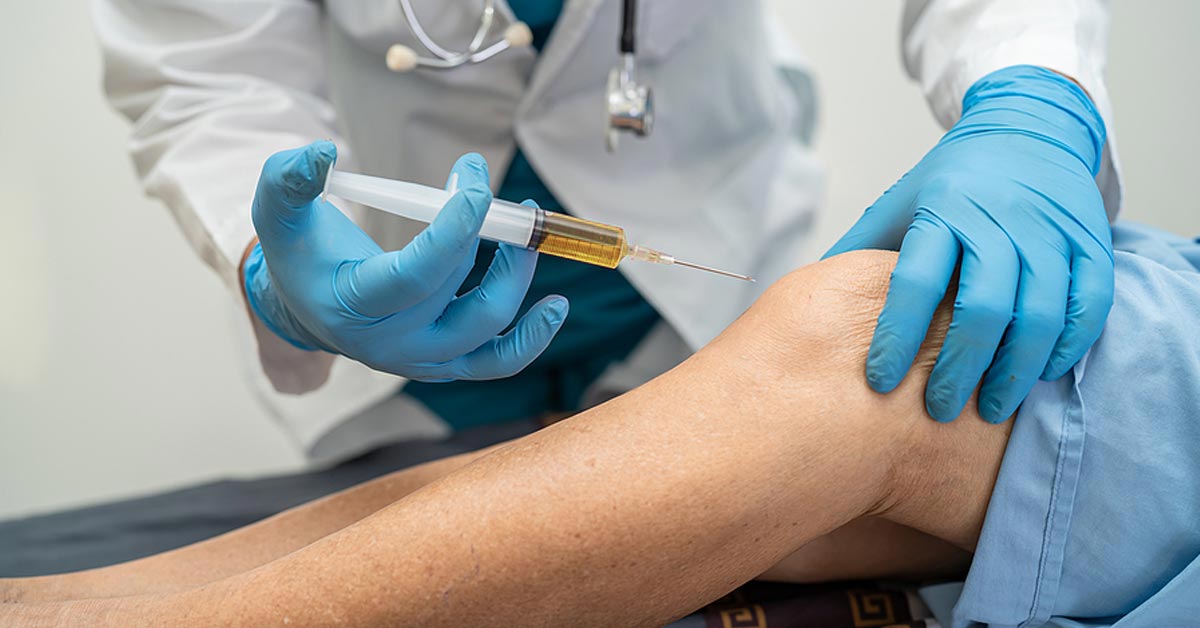
PRP Injection Therapy in Nagpur offers a modern approach to managing selected joint, tendon, ligament, and sports-related problems. The treatment uses a concentrated portion of your own blood to support the body’s natural healing process. Moreover, doctors may recommend PRP therapy for conditions such as knee pain, tennis elbow, tendon injuries, and certain ligament problems. Therefore, a proper clinical assessment helps determine whether PRP treatment suits your condition.
Therefore, consulting a specialist such as
Dr. Siddharth Jain helps patients receive structured evaluation and practical guidance for managing these issues. At
Asian Institute of Advanced Surgeries, patients are encouraged to discuss symptoms openly so that the condition can be assessed thoroughly.
What Is PRP Injection Therapy?
PRP stands for Platelet-Rich Plasma. Doctors prepare PRP by drawing a small blood sample and processing it to concentrate platelets and growth factors. They then inject the prepared plasma into the targeted area. Moreover, these platelets release substances that may support tissue repair and healing. Therefore, PRP injection treatment can offer a minimally invasive option for selected musculoskeletal conditions.
How Does PRP Therapy Work?
PRP therapy focuses on supporting the body’s natural healing response. First, the doctor collects a small amount of your blood. Next, a centrifuge separates and concentrates the platelets from other blood components. The doctor then prepares the PRP and guides the injection into the affected area. Moreover, ultrasound guidance can help the doctor target specific tissues when appropriate. As a result, the treatment can deliver PRP more accurately to the intended site.
Conditions That May Benefit From PRP Treatment
Doctors may consider PRP Injection Therapy in Nagpur for several orthopedic and sports-related conditions. However, PRP does not suit every patient or every injury. A specialist may evaluate your symptoms, medical history, imaging reports, and treatment goals before recommending the procedure.
Common conditions may include:
- Knee osteoarthritis and selected joint pain
- Tennis elbow and golfer’s elbow
- Tendon injuries
- Certain ligament injuries
- Sports-related soft tissue injuries
- Selected shoulder tendon problems
- Chronic musculoskeletal pain
- Some cartilage-related conditions
Moreover, your doctor can explain the expected benefits and limitations based on your specific condition.
Benefits of PRP Injection Therapy
PRP treatment can provide several potential advantages for suitable patients. Since doctors use your own blood components, the treatment avoids the need for donor material. Moreover, PRP injections require only a small blood sample and usually involve a minimally invasive procedure.
Potential benefits include:
- Supports the body’s natural healing process
- Uses your own blood components
- Requires a minimally invasive procedure
- May help reduce pain in suitable conditions
- May support tissue recovery
- Can complement physiotherapy and rehabilitation
- Usually requires limited downtime
However, results can vary between patients. Therefore, your doctor should assess your condition before you choose PRP therapy.
PRP Injection for Knee Pain
PRP Injection Therapy in Nagpur may help selected patients with knee pain, particularly those with early or moderate degenerative changes. The doctor evaluates the knee and identifies the source of pain before recommending treatment. Moreover, PRP may work alongside exercise, weight management, and physiotherapy when appropriate. Therefore, patients should follow an individualized treatment and rehabilitation plan for better functional recovery.
PRP Therapy for Sports Injuries
Athletes and active individuals may develop tendon, ligament, and other soft tissue injuries. PRP therapy may support healing in selected cases and can form part of a broader sports injury treatment plan. Moreover, doctors may combine PRP treatment with rehabilitation exercises and activity modification. As a result, patients can work toward restoring strength and movement while reducing stress on the injured tissue.
What Happens During PRP Treatment?
A PRP procedure generally follows a simple process. The doctor first reviews your condition and confirms the treatment area. Next, the medical team draws a small blood sample and processes it to prepare the PRP. The doctor then cleans the treatment area and injects the prepared PRP into the targeted tissue. Moreover, the doctor may use imaging guidance when necessary. After the procedure, your doctor provides specific instructions about activity, exercise, and follow-up care.
Is PRP Injection Therapy Safe?
PRP therapy generally uses your own blood components, which can reduce concerns related to donor material. However, every injection procedure can carry risks such as temporary pain, swelling, bruising, or infection. Therefore, you should discuss your medical history, medications, allergies, and previous treatments with your doctor before the procedure. Moreover, qualified medical assessment helps identify patients who may benefit from PRP therapy.
PRP Treatment and Recovery
Recovery after PRP injection varies according to the treated condition and injection site. Some patients experience temporary soreness or swelling after treatment. Therefore, your doctor may recommend temporary activity changes and a gradual return to normal activities. Moreover, physiotherapy may help improve strength, flexibility, and movement when appropriate. You should follow your doctor’s recovery instructions rather than returning to strenuous activity too quickly.
Who May Need PRP Injection Therapy?
PRP therapy may suit patients who continue to experience symptoms despite appropriate conservative treatment. However, the treatment does not provide the same results for everyone. Your doctor may review your symptoms, physical examination, imaging findings, activity level, and treatment history before recommending PRP. Moreover, a personalized evaluation helps determine whether PRP or another treatment option offers a better approach.
Why Choose PRP Injection Therapy in Nagpur?
Choosing the right treatment starts with an accurate diagnosis. A qualified orthopedic or sports medicine specialist can identify the cause of your pain and discuss suitable options. Moreover, good PRP care should include proper patient selection, sterile technique, accurate injection placement, and appropriate follow-up. Therefore, patients searching for PRP Injection Therapy in Nagpur should focus on clinical expertise and personalized treatment rather than choosing a procedure based only on its popularity.
PRP Therapy With Rehabilitation
PRP treatment can work as part of a broader recovery plan. Doctors may recommend physiotherapy, strengthening exercises, flexibility training, or activity modification depending on your condition. Moreover, rehabilitation can help you regain function and reduce stress on the affected area. As a result, combining appropriate rehabilitation with PRP treatment may support a more structured recovery process.
When Should You Consult a Specialist?
Persistent joint or soft tissue pain deserves proper evaluation. If pain affects walking, exercise, work, sleep, or daily activities, consider consulting an orthopedic specialist. Moreover, early assessment can help identify the underlying problem and prevent inappropriate self-treatment. Therefore, a specialist can explain whether PRP injection treatment, physiotherapy, medication, or another approach may suit your condition.
Book a Consultation for PRP Injection Therapy in Nagpur
If you experience persistent joint, tendon, ligament, or sports-related pain, consider a professional evaluation. PRP Injection Therapy in Nagpur may offer a suitable treatment option for selected conditions. Moreover, a specialist can assess your symptoms and create a treatment plan around your individual needs. Therefore, schedule a consultation to understand your diagnosis, treatment choices, expected recovery, and realistic outcomes.
Frequently Asked Questions (FAQ)
Consult Our Experienced Orthopaedic Surgeon for Detailed Guidance