Asian Institute Of Advanced Surgeries


Why Athletes Need Specialised Orthopaedic Care
Orthopaedic specialists assess the affected area and understand how the injury affects sports performance. In addition, they consider training routines, previous injuries, physical demands, and recovery goals. As a result, athletes can receive a treatment plan that addresses both the injury and their functional needs.
Sports injuries can affect athletes at every level, from beginners to professional players. Moreover, repetitive training, sudden movements, poor technique, and inadequate recovery can increase injury risks. Therefore, athletes should not ignore persistent pain, swelling, stiffness, or reduced movement. Early evaluation can help identify the underlying problem and support appropriate treatment.
Common Sports Injuries In Athletes
Orthopaedic Care For Athletes In Nagpur
Athletes can develop many types of musculoskeletal injuries. Moreover, some injuries occur suddenly, while others develop gradually through repetitive stress. Common conditions include:
- ACL and other knee ligament injuries
- Meniscus injuries
- Knee pain and cartilage problems
- Shoulder dislocation and instability
- Rotator cuff injuries
- Tennis elbow and golfer’s elbow
- Ankle sprains and ligament injuries
- Achilles tendon injuries
- Muscle strains and tendon injuries
- Stress fractures
- Sports-related fractures
- Hip and groin injuries
- Back and spine-related sports problems
Therefore, athletes should seek professional assessment when pain continues or affects normal movement.
Knee Injury Care For Athletes
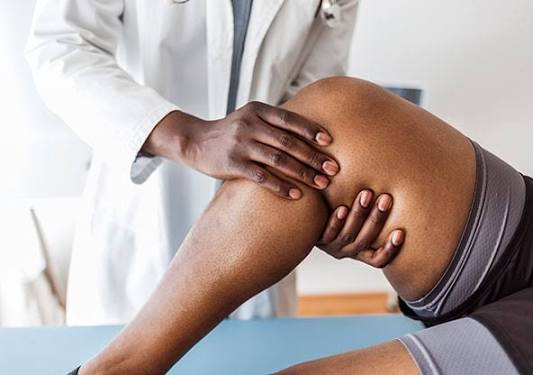
The knee handles significant force during running, jumping, twisting, and landing. Therefore, knee injuries can strongly affect athletic performance. ACL injuries, meniscus tears, cartilage problems, and ligament injuries commonly affect athletes.
Moreover, an orthopaedic specialist can assess knee stability, movement, strength, and symptoms before recommending treatment. Depending on the injury, treatment may include activity modification, physiotherapy, medication, rehabilitation, injections, or surgery. As a result, athletes can gradually rebuild strength and movement while working toward a safe return to sport.
Shoulder Injury Treatment For Athletes
Orthopaedic Care For Athletes In Nagpur
Athletes who participate in cricket, swimming, tennis, badminton, volleyball, and throwing sports place repeated demands on their shoulders. However, excessive movement or sudden trauma can cause instability, tendon injuries, or other shoulder problems.
Therefore, proper diagnosis plays an important role in shoulder injury management. Moreover, treatment may focus on pain control, movement restoration, strength training, physiotherapy, or arthroscopic procedures when appropriate. A structured rehabilitation program can also help athletes regain shoulder function and confidence.
Sports Fracture And Trauma Care
Falls, collisions, direct impacts, and sudden forces can cause fractures during sports. Therefore, athletes should seek prompt medical attention after a suspected fracture. Symptoms may include severe pain, swelling, bruising, deformity, or difficulty putting weight on the affected limb.
Moreover, an orthopaedic specialist can use clinical examination and imaging to understand the injury. Treatment depends on the fracture location, severity, and athletic requirements. As a result, appropriate fracture care can support bone healing and help athletes progress toward normal activity.
Sports Injury Diagnosis
Accurate diagnosis helps doctors choose the right treatment approach. Moreover, an orthopaedic evaluation may include a physical examination and imaging tests such as X-rays, ultrasound, CT scans, or MRI when necessary.
Therefore, athletes should explain their symptoms clearly and mention how the injury occurred. They should also discuss previous injuries, training schedules, and changes in performance. This information helps the specialist understand the condition and develop a suitable treatment plan.
Non-Surgical Orthopaedic Care For Athletes
Many sports injuries can improve with appropriate non-surgical treatment. Moreover, doctors may recommend rest, activity modification, physiotherapy, strengthening exercises, mobility work, or other supportive treatments based on the diagnosis.
However, athletes should avoid returning to intense training simply because pain decreases. Pain relief does not always mean complete recovery. Therefore, athletes should follow their rehabilitation plan and gradually increase activity under professional guidance. As a result, they can rebuild strength and movement while reducing unnecessary strain.
Arthroscopic Treatment For Sports Injuries
Orthopaedic Care For Athletes In Nagpur
Some athletes may require minimally invasive surgery when an injury does not respond to conservative treatment or causes significant instability or functional problems. Moreover, arthroscopic procedures can help doctors address certain knee and shoulder conditions through small surgical openings.
Therefore, the specialist first evaluates the injury and discusses suitable treatment options. The recovery plan can include physiotherapy, strengthening exercises, mobility training, and gradual sports-specific activities. As a result, athletes can work toward restoring function and returning to their preferred activities.
Rehabilitation And Return To Sport
Recovery does not end when pain decreases. Moreover, athletes need strength, flexibility, balance, coordination, and confidence before returning to demanding sports. A structured rehabilitation program can address these areas step by step.
Therefore, physiotherapy often forms an important part of orthopaedic care for athletes in Nagpur. Rehabilitation may begin with controlled movements and progress toward strength training, balance exercises, agility drills, and sport-specific movements. As a result, athletes can prepare their bodies for the physical demands of their sport.
Preventing Sports Injuries
Athletes can take several steps to reduce injury risks. Moreover, proper warm-ups, strength training, mobility exercises, good technique, suitable footwear, and adequate recovery can support musculoskeletal health.
Therefore, athletes should increase training intensity gradually rather than making sudden changes. In addition, they should pay attention to persistent pain and avoid repeatedly training through significant discomfort. Regular conditioning and professional guidance can also help athletes identify movement problems before they lead to more serious injuries.
Why Choose Orthopaedic Care For Athletes In Nagpur?
Choosing the right orthopaedic specialist can make a meaningful difference in sports injury management. Moreover, athletes need care that considers both their current injury and their performance goals.
Orthopaedic care for athletes in Nagpur can provide a structured approach that covers diagnosis, treatment, rehabilitation, and injury prevention. Therefore, athletes can receive guidance based on their condition, sport, activity level, and recovery needs. In addition, timely care can help address injuries before they interfere further with training and performance.
When Should An Athlete See An Orthopaedic Specialist?
Orthopaedic Care For Athletes In Nagpur
Athletes should consider an orthopaedic consultation when pain persists, swelling develops, movement becomes difficult, or an injury affects sports performance. Moreover, repeated injuries in the same area may indicate an underlying weakness or instability.
Therefore, athletes should not ignore symptoms after a fall, collision, sudden twist, or awkward landing. Early assessment can help identify the problem and guide appropriate treatment. As a result, athletes can make informed decisions about training, rehabilitation, and return to sport.
Take The Right Step Toward Recovery
Sports injuries can interrupt training, competition, and everyday activities. However, the right treatment and rehabilitation approach can help athletes move forward with confidence. Moreover, expert orthopaedic care can address injuries while supporting long-term joint and musculoskeletal health.
If you need orthopaedic care for athletes in Nagpur, schedule a consultation with an experienced orthopaedic specialist. Therefore, you can receive a proper evaluation and understand the most suitable treatment options for your condition.