Asian Institute Of Advanced Surgeries


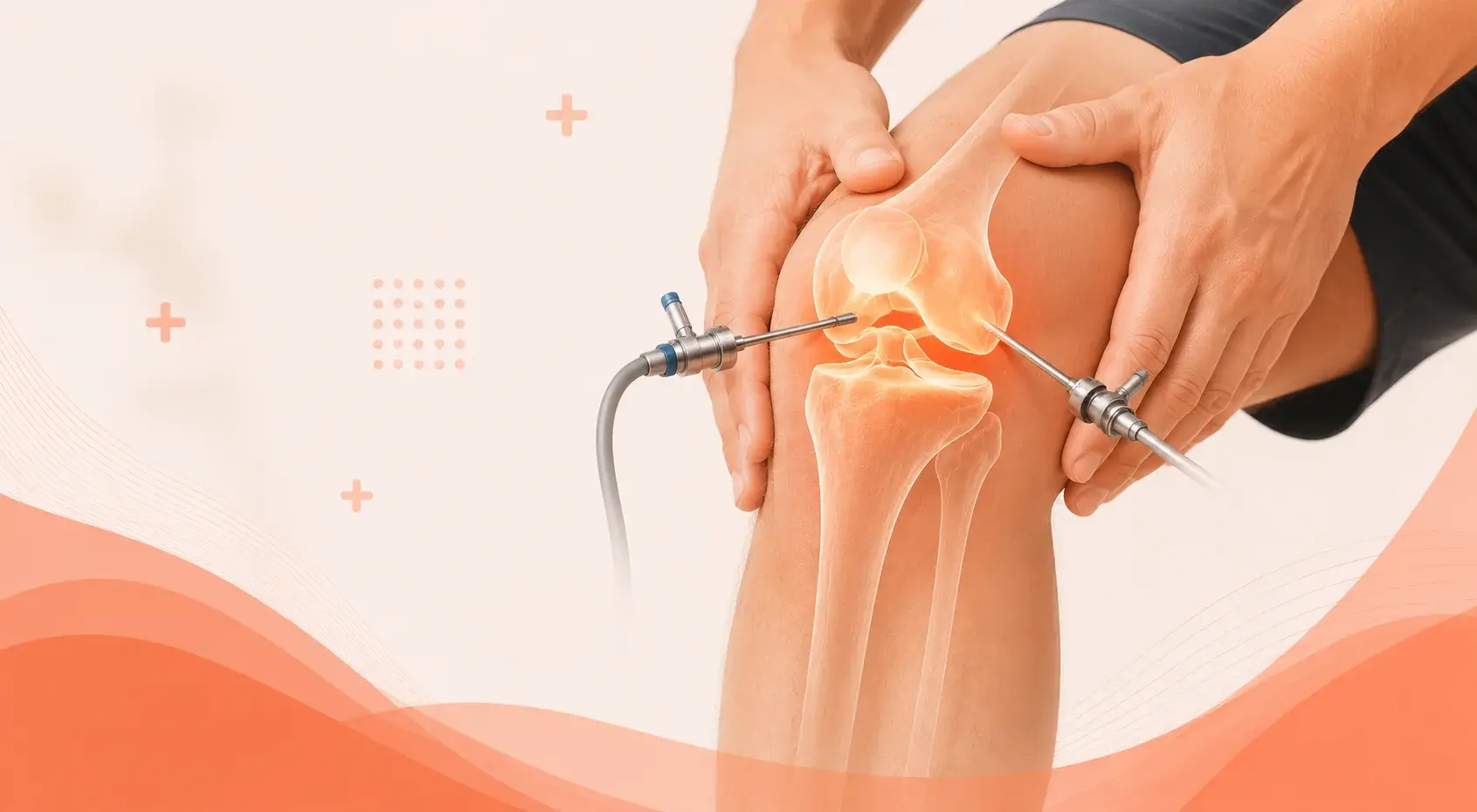
Knee Arthroscopy in Nagpur uses a small camera and special instruments to examine and treat certain problems inside the knee. However, not every knee condition needs surgery. A qualified orthopedic specialist can assess your symptoms, examination findings, and scans before suggesting treatment.
What Is Knee Arthroscopy?
However, knee arthroscopy does not suit every patient. Your doctor will consider your symptoms, age, activity level, knee stability, medical history, and imaging results before recommending the procedure.
Why Do Doctors Recommend Knee Arthroscopy? | Knee Arthroscopy In Nagpur
Several knee conditions can affect the cartilage, meniscus, ligaments, or joint lining. Moreover, these problems can cause pain, swelling, stiffness, clicking, or difficulty with movement.
A doctor may consider arthroscopy for suitable patients with problems such as:
- Meniscus tears
- Certain cartilage injuries
- Loose bodies inside the knee
- Some ligament-related problems
- Certain knee injuries
- Joint lining problems
- Some causes of persistent knee pain
- Selected cases of knee stiffness
Therefore, your doctor should identify the actual cause before recommending surgery. In addition, imaging tests such as X-rays or MRI scans may help the doctor understand the condition.
Common Symptoms That May Need Evaluation
Knee problems can develop after sports injuries, falls, twisting movements, or gradual wear. Moreover, some people notice symptoms during normal activities without remembering a specific injury.
You may need an orthopedic evaluation if you experience:
- Persistent knee pain
- Repeated knee swelling
- Difficulty bending or straightening the knee
- Clicking or catching sensations
- A feeling that the knee may give way
- Pain while climbing stairs
- Difficulty walking or running
- Reduced knee movement
- Pain after a sports injury
However, these symptoms can occur with many different knee conditions. Therefore, avoid assuming that you need arthroscopy based only on symptoms.
How Does Knee Arthroscopy Work?
Before the procedure, your orthopedic surgeon will examine your knee and review your medical history. Moreover, the doctor may recommend imaging tests to understand the problem more clearly.
During knee arthroscopy, the surgeon usually makes small openings around the knee. Therefore, the surgeon can insert the arthroscope and view the joint on a monitor. The surgeon may then use small instruments through other openings when the condition requires treatment.
The exact procedure depends on the knee problem. However, your surgeon will explain the planned treatment before surgery. As a result, you can understand what the procedure aims to achieve and what recovery may involve.
Conditions Treated With Knee Arthroscopy
Knee arthroscopy can help treat selected problems inside the knee. Moreover, the surgeon chooses the technique according to the specific injury or condition.
Meniscus Tear
The meniscus acts as a cushion between the thigh bone and shin bone. However, a tear can cause pain, swelling, clicking, or difficulty moving the knee.
Depending on the tear, age, activity level, and knee condition, the surgeon may repair the meniscus or remove the damaged portion. Therefore, treatment should always match the individual case.
Cartilage Problems
Cartilage damage can affect smooth knee movement. Moreover, certain cartilage injuries may cause pain, swelling, or catching sensations.
A surgeon may use arthroscopy to assess and treat selected cartilage problems. However, the treatment depends on the location, size, and severity of the damage.
Loose Bodies
Small pieces of cartilage or bone can sometimes move inside the knee joint. Therefore, they may cause catching, locking, pain, or restricted movement.
Knee arthroscopy can allow the surgeon to locate and remove suitable loose bodies. As a result, some patients may experience improved joint movement after recovery.
Selected Ligament Problems
Ligament injuries can affect knee stability. Moreover, some ligament conditions require surgical treatment, while others may improve with rehabilitation.
Your orthopedic surgeon will assess knee stability and imaging findings before recommending a procedure. Therefore, the treatment plan can focus on restoring safe and useful knee function.
Benefits of Knee Arthroscopy
Knee arthroscopy offers several potential advantages for suitable patients. Moreover, the procedure uses small surgical openings compared with traditional open procedures.
Potential benefits may include:
- Smaller surgical openings
- Direct visualization of the knee joint
- Treatment of selected internal knee problems
- Less disruption to surrounding tissues in suitable cases
- Support for earlier movement in some patients
- Smaller scars compared with larger surgical approaches
- A structured rehabilitation plan
However, benefits vary from person to person. Therefore, your surgeon should explain the expected results based on your specific knee condition.
Knee Arthroscopy Recovery | Knee Arthroscopy In Nagpur
Recovery after knee arthroscopy depends on the procedure and the condition treated. Moreover, your recovery can also depend on your general health, activity level, and rehabilitation plan.
Some patients can begin walking soon after certain arthroscopic procedures. However, other procedures may require more protection, support, or activity restrictions.
Your doctor may recommend:
- Prescribed medicines
- Ice application
- Elevating the leg
- Specific exercises
- Physiotherapy
- Gradual weight-bearing
- Temporary activity restrictions
- Follow-up appointments
Therefore, follow your surgeon’s instructions carefully. In addition, do
Physiotherapy After Knee Arthroscopy
Physiotherapy plays an important role in many knee arthroscopy recovery plans. Moreover, exercises can help improve knee movement, muscle strength, balance, and functional ability.
Your physiotherapist may gradually introduce exercises according to your recovery stage. Therefore, your program can progress from simple movements to more demanding activities.
However, every patient needs an individual rehabilitation plan. As a result, you should follow the exercises and activity levels recommended by your orthopedic and physiotherapy team.
How Long Does Knee Arthroscopy Take? | Knee Arthroscopy In Nagpur
The procedure time varies according to the knee condition and the treatment required. Moreover, simple procedures may take less time than more complex treatments.
Your surgeon can provide a more accurate estimate after evaluating your knee. Therefore, discuss the procedure, anesthesia, expected hospital stay, and recovery timeline during your consultation.
Is Knee Arthroscopy Safe?
Knee arthroscopy generally has a good safety profile when an appropriate specialist performs it and the patient follows proper aftercare. However, every surgical procedure carries potential risks.
Possible complications can include infection, bleeding, blood clots, stiffness, swelling, nerve or blood vessel problems, or continued symptoms. Therefore, your surgeon should discuss the benefits and risks before treatment.
Seek medical attention if you develop concerning symptoms after surgery. In addition, follow all wound care, medication, exercise, and follow-up instructions.
Who May Need Knee Arthroscopy? | Knee Arthroscopy In Nagpur
Doctors may consider knee arthroscopy for patients with specific problems inside the knee. Moreover, they usually recommend it after assessing symptoms, physical findings, imaging, and previous treatment.
You may benefit from an orthopedic evaluation if:
- Knee pain continues despite conservative care
- Your knee repeatedly locks or catches
- You have a confirmed meniscus problem
- An injury causes persistent knee symptoms
- Your knee movement remains limited
- You experience ongoing swelling
- You have selected cartilage or joint problems
However, surgery may not provide the right solution for every type of knee pain. Therefore, a specialist should determine whether arthroscopy fits your condition.