Asian Institute Of Advanced Surgeries


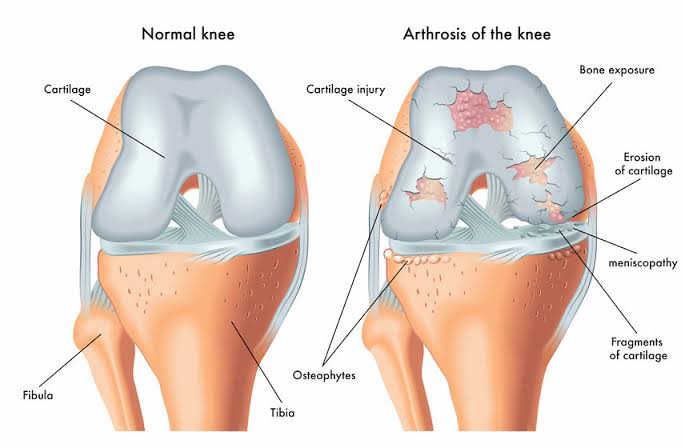
What Is a Cartilage Injury?
Common Causes of Cartilage Injury
Several situations can damage joint cartilage. Moreover, some people develop cartilage problems slowly because of repeated stress on a joint.
Common causes include:
- Sports injuries
- Sudden twisting of a joint
- Falls or direct impact
- Repeated joint stress
- Previous joint injuries
- Long-term wear and tear
- Certain joint conditions
- Poor joint mechanics
Therefore, people who take part in running, football, cricket, gym workouts, or other sports may face a higher risk. However, cartilage injuries can affect people with different activity levels.
Symptoms of Cartilage Damage
Cartilage damage can cause different symptoms depending on the affected joint. Therefore, you should not ignore ongoing joint discomfort after an injury.
Common symptoms include:
- Joint pain
- Swelling
- Stiffness
- Reduced joint movement
- Pain during exercise
- Difficulty using stairs
- A catching or locking feeling
- Clicking or grinding sensations
- Reduced ability to perform daily activities
Moreover, some people notice symptoms during specific movements rather than throughout the day. As a result, an orthopedic specialist can assess your symptoms and identify the likely cause.
Cartilage Injury Treatment in Nagpur
Cartilage injury treatment depends on the severity and location of the damage. Moreover, doctors consider your symptoms, physical activity, medical history, and test results before recommending treatment.
Rest and Activity Modification
Mild cartilage injuries may improve with changes in daily activity. Therefore, your doctor may suggest reducing movements that increase pain. Moreover, temporary rest can give the joint time to settle.
You may need to avoid high-impact activities for some time. However, complete inactivity may not suit every patient. Your doctor can guide you about safe movements and activity levels.
Medicines
Doctors may recommend medicines to manage pain and inflammation when appropriate. Therefore, you should take medicines only according to medical advice.
Medication can help control symptoms, but it may not repair damaged cartilage. Moreover, your doctor may combine medicines with physiotherapy or other treatments based on your condition.
Physiotherapy
Physiotherapy can support recovery after a cartilage injury. Moreover, targeted exercises can improve muscle strength, flexibility, balance, and joint movement.
A physiotherapist can create an exercise plan based on your needs. Therefore, you can gradually improve joint function while avoiding unnecessary strain. As a result, proper rehabilitation can support a safer return to normal activities.
Injections
Some patients may benefit from injections for pain relief or joint support. However, the suitable injection depends on the joint problem and overall health.
Your orthopedic specialist can explain the expected benefits, limitations, and possible risks. Therefore, you should discuss all available options before choosing an injection treatment.
Cartilage Repair Surgery
Some cartilage injuries may require surgery, especially when symptoms continue despite non-surgical care. Moreover, the surgeon may consider the size, depth, and location of the cartilage damage.
Depending on the condition, surgical options may include cartilage repair or restoration procedures. In some cases, doctors may use arthroscopy to examine and treat problems inside the joint.
Therefore, your specialist will select the procedure according to your joint condition rather than using one approach for every patient.
Arthroscopy for Cartilage Injuries
Cartilage Injury Treatment In Nagpur
Arthroscopy uses a small camera to view the inside of a joint. Moreover, the surgeon can use small instruments through small openings to treat certain joint problems.
This approach can help doctors assess cartilage damage and address suitable problems during the same procedure. However, not every cartilage injury needs arthroscopy.
Therefore, your orthopedic specialist will assess your symptoms and imaging results before recommending the procedure.
Diagnosis of Cartilage Injuries
Cartilage Injury Treatment In Nagpur
Doctors start with your medical history and a physical examination. Moreover, they may check joint movement, swelling, tenderness, stability, and pain during specific movements.
Your doctor may also recommend imaging tests. X-rays can help identify bone problems and joint changes. However, an MRI can provide a clearer view of cartilage and other soft tissues.
Therefore, proper diagnosis helps your doctor understand the injury and create a suitable treatment plan.
When Should You See an Orthopedic Specialist?
You should consider medical evaluation if joint pain continues after an injury or starts affecting daily activities. Moreover, symptoms such as swelling, locking, stiffness, or reduced movement deserve attention.
Seek an orthopedic assessment if you experience:
- Persistent joint pain
- Repeated swelling
- Difficulty walking or using the joint
- Joint locking or catching
- Pain during sports
- Reduced range of motion
- Symptoms that do not improve with rest
Therefore, early assessment can help identify the cause and guide appropriate treatment.
Cartilage Injury Treatment for Sports Injuries
Cartilage Injury Treatment In Nagpur
Sports can place significant stress on the joints. Therefore, athletes may develop cartilage damage after sudden impact, twisting, or repeated strain.
Treatment usually focuses on controlling symptoms and restoring safe joint function. Moreover, rehabilitation can help improve strength and movement before you return to sports.
Your doctor may recommend a gradual return to activity. As a result, you can reduce unnecessary stress on the injured joint and improve your chances of a safe recovery.
Recovery After Cartilage Injury Treatment
Recovery varies from person to person. Moreover, the healing timeline depends on the injury, treatment method, affected joint, and your overall health.
Non-surgical treatment may require several weeks of structured care. Surgical procedures may require a longer rehabilitation period. Therefore, follow your doctor’s activity and exercise instructions carefully.
In addition, regular physiotherapy can help you regain strength and movement. However, you should avoid returning to demanding activities before your doctor confirms that your joint can handle them.
How Can You Prevent Cartilage Injuries?
You cannot prevent every cartilage injury. However, certain habits can reduce unnecessary stress on your joints.
Consider these steps:
- Warm up before exercise
- Increase exercise intensity gradually
- Use proper sports techniques
- Wear suitable footwear
- Strengthen muscles around your joints
- Maintain a healthy body weight
- Take breaks during repetitive activities
- Follow proper rehabilitation after an injury
Moreover, listening to your body can help you notice problems early. Therefore, do not continue intense activity when you experience significant joint pain.