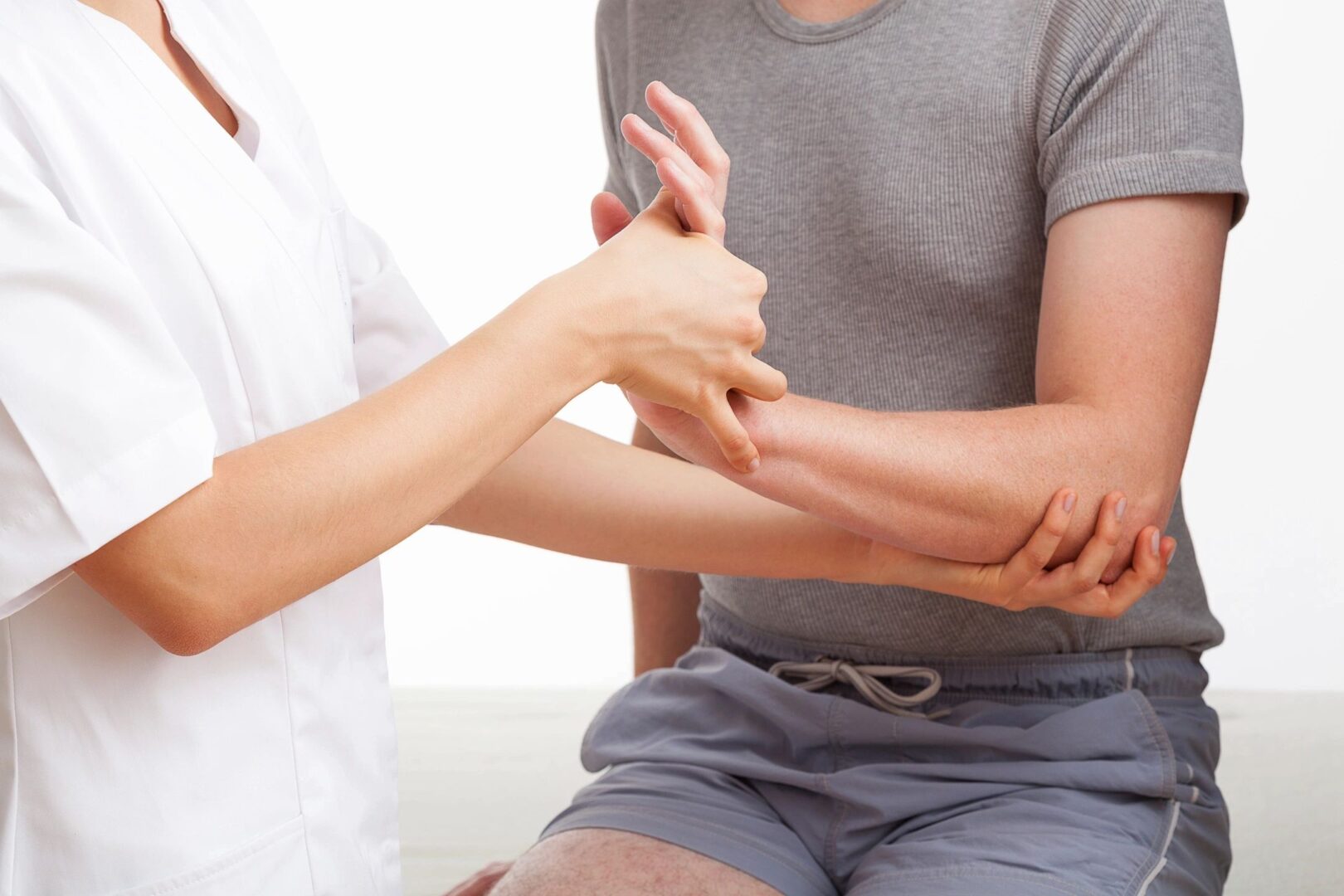
Elbow Specialist In Nagpur can make simple tasks harder, such as lifting, writing, driving, or playing sports. Moreover, ongoing pain can affect your daily routine and comfort. An Elbow Specialist in Nagpur can assess your symptoms and identify the cause. Therefore, you can receive a treatment plan that matches your condition and needs.
Elbow problems can develop after an injury, repeated movement, sports activity, or age-related changes. In addition, some conditions can cause pain without a clear injury. However, early care can help prevent the problem from affecting your normal activities. As a result, an experienced elbow doctor can help you understand the condition and choose the right treatment.
Therefore, consulting a specialist such as
Dr. Siddharth Jain helps patients receive structured evaluation and practical guidance for managing these issues. At
Asian Institute of Advanced Surgeries, patients are encouraged to discuss symptoms openly so that the condition can be assessed thoroughly.
Why Choose an Elbow Specialist?
Elbow Specialist In Nagpur
The elbow contains bones, muscles, tendons, ligaments, and nerves that work together. Moreover, problems in any of these structures can cause pain or limited movement. An elbow specialist examines these areas carefully and considers your symptoms, activity level, and medical history.
Therefore, your doctor may recommend a physical examination and imaging tests when needed. X-rays can help identify bone problems, while other scans may show soft-tissue injuries. In addition, your doctor may assess your elbow movement and strength. As a result, the treatment plan can focus on the actual cause of your symptoms.
Elbow Conditions We Treat
Elbow Specialist In Nagpur
An Elbow Specialist in Nagpur can manage many conditions that affect the elbow. Moreover, treatment depends on the type and severity of the problem.
Common elbow conditions include:
- Tennis elbow
- Golfer’s elbow
- Elbow arthritis
- Elbow fractures
- Elbow dislocation
- Ligament injuries
- Tendon injuries
- Bursitis
- Elbow stiffness
- Sports-related elbow injuries
- Nerve-related elbow problems
- Repetitive strain injuries
Therefore, do not ignore elbow pain that continues or gets worse. In addition, timely assessment can help your doctor plan suitable care.
Tennis Elbow Treatment
Tennis elbow can cause pain around the outer part of the elbow. Moreover, repeated gripping, lifting, or wrist movement can increase the strain on the affected tendon. You may notice pain while holding objects, using tools, or playing sports.
An elbow doctor can assess the tendon and your daily activities. Therefore, treatment may include rest, activity changes, physiotherapy, exercises, medicines, or other options when suitable. However, severe or persistent cases may need further treatment. As a result, early evaluation can help you manage symptoms more effectively.
Golfer's Elbow Treatment
Elbow Specialist In Nagpur
Golfer’s elbow affects the tendons on the inner side of the elbow. Moreover, repeated wrist and forearm movements can increase tendon strain. People who play sports, work with tools, or perform repetitive hand movements may develop this condition.
Therefore, an elbow specialist can assess your symptoms and identify the source of pain. Treatment may include activity modification, exercises, physiotherapy, and medicines when appropriate. In addition, your doctor can guide you on safe movements during recovery.
Elbow Arthritis
Elbow arthritis can cause pain, stiffness, swelling, and reduced movement. Moreover, these symptoms can make everyday activities uncomfortable. The condition may develop due to joint wear, previous injuries, or other joint problems.
An Elbow Specialist in Nagpur can evaluate your joint and recommend suitable care. Therefore, treatment may include medicines, physiotherapy, lifestyle changes, and other options based on your condition. However, advanced joint damage may require surgical treatment. Your doctor can explain the available options after a detailed assessment.
Elbow Fracture and Injury Care
A fall, accident, or sports injury can cause an elbow fracture or dislocation. Moreover, these injuries may cause sudden pain, swelling, bruising, or difficulty moving the arm. Some injuries also require urgent medical attention.
Therefore, seek medical care after a significant elbow injury, especially when you cannot move the joint normally. An elbow specialist can examine the injury and recommend imaging when needed. In addition, the doctor can guide treatment and rehabilitation based on the injury.
Elbow Arthroscopy
Elbow arthroscopy uses small openings to allow a surgeon to examine and treat certain joint problems. Moreover, this approach can help doctors manage selected conditions inside the elbow joint.
Your specialist may consider elbow arthroscopy for certain cases involving loose bodies, joint damage, stiffness, or other problems. Therefore, the doctor will first assess your symptoms and test results. However, not every elbow condition requires surgery. As a result, your specialist will recommend this option only when it suits your condition.
Non-Surgical Elbow Treatment
Many elbow conditions improve with non-surgical treatment. Moreover, your doctor may start with simple methods when they can provide suitable relief.
Treatment may include:
- Activity modification
- Physiotherapy
- Stretching and strengthening exercises
- Medicines when appropriate
- Supportive braces
- Ice or heat therapy
- Guided rehabilitation
- Gradual return to activities
Therefore, follow your treatment plan and avoid movements that increase your pain. In addition, regular exercises can support strength and movement during recovery.
When Should You See an Elbow Specialist?
You should consider an elbow evaluation when pain continues, affects your daily activities, or limits movement. Moreover, repeated swelling, weakness, numbness, or stiffness can also need medical assessment.
Seek prompt medical care after a serious injury. Therefore, do not delay evaluation when you notice severe pain, visible deformity, major swelling, or an inability to move your arm. Early assessment can help identify the problem and guide the next step.
Diagnosis for Elbow Problems
Your doctor starts with your symptoms and medical history. Moreover, a physical examination can help identify painful movements, weakness, stiffness, or swelling.
Your specialist may recommend imaging based on your symptoms. X-rays can show many bone and joint changes. In addition, other imaging tests can help assess tendons, ligaments, and other soft tissues. Therefore, your doctor can use these findings along with your examination to create a suitable treatment plan.
Elbow Rehabilitation and Physiotherapy
Recovery does not end when pain improves. Moreover, proper rehabilitation can help restore elbow movement, strength, and function. Your physiotherapist may recommend exercises based on your condition and recovery stage.
Therefore, follow the recommended exercise routine and increase activity gradually. In addition, avoid returning to demanding sports or heavy work too quickly. As a result, a structured rehabilitation plan can support a safer return to normal activities.
Frequently Asked Questions (FAQ)
Consult Our Experienced Orthopaedic Surgeon for Detailed Guidance