Asian Institute Of Advanced Surgeries


A shoulder surgeon treats conditions that affect the bones, joints, muscles, tendons, and ligaments around the shoulder. In addition, a specialist can guide you through both non-surgical and surgical treatments. As a result, you can receive care based on your condition rather than a one-size-fits-all approach.
Why Choose an Orthopaedic Doctor?
Common Shoulder Problems We Treat
Best Shoulder Surgeon In Nagpur
A skilled shoulder surgeon in Nagpur can manage many shoulder conditions. These problems may affect people of different ages and activity levels.
Rotator Cuff Injuries
The rotator cuff contains several tendons that help the shoulder move and stay stable. However, repeated overhead activity, sports injuries, or sudden trauma can damage these tendons. Moreover, a rotator cuff problem may cause pain, weakness, and difficulty lifting the arm.
Treatment depends on the severity of the injury. Therefore, your doctor may recommend rest, physiotherapy, medicines, injections, or surgery when appropriate.
Shoulder Impingement
Shoulder impingement can cause pain when you raise your arm. In addition, repetitive overhead movements can increase irritation around the shoulder. As a result, activities such as swimming, throwing, or reaching overhead may become uncomfortable.
A shoulder specialist can assess your symptoms and recommend suitable treatment. Moreover, physiotherapy can help improve shoulder movement and strength in many cases.
Frozen Shoulder
Frozen shoulder can cause stiffness, pain, and reduced shoulder movement. However, symptoms can vary from person to person. Therefore, treatment should match the stage and severity of the condition.
Doctors may recommend exercises, medicines, injections, or other treatments based on your needs. In addition, regular rehabilitation can help improve movement and shoulder function.
Shoulder Dislocation
A shoulder dislocation occurs when the upper arm bone moves out of its normal position. Moreover, sports injuries, falls, and accidents can cause this problem. Repeated dislocations can also affect shoulder stability.
Therefore, early evaluation can help protect the shoulder and reduce the risk of further problems. Your doctor may recommend rehabilitation or surgery depending on your injury and shoulder stability.
Shoulder Arthritis
Shoulder arthritis can cause pain, stiffness, and reduced movement. In addition, the condition may make everyday activities more difficult. Therefore, treatment can focus on reducing pain and improving function.
Doctors may use medicines, physiotherapy, injections, or surgery depending on the condition. However, severe joint damage may require shoulder replacement surgery.
Shoulder Arthroscopy
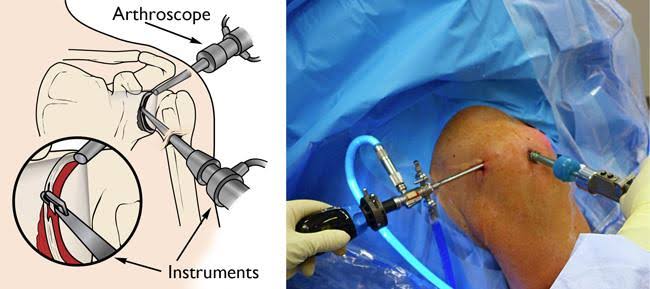
Shoulder arthroscopy uses a small camera and specialised instruments to examine and treat problems inside the shoulder joint. Moreover, surgeons can use this technique for selected rotator cuff injuries, labral problems, impingement, and other conditions.
The surgeon makes small openings around the shoulder and uses specialised instruments during the procedure. Therefore, arthroscopy can help treat suitable conditions with smaller surgical openings.
However, not every shoulder problem requires arthroscopy. A specialist first evaluates your condition and recommends the most suitable treatment.
Shoulder Replacement Surgery
Severe shoulder arthritis or major joint damage can affect movement and quality of life. Moreover, pain may continue despite non-surgical treatment. In such cases, a shoulder replacement may offer a suitable treatment option.
During shoulder replacement surgery, the surgeon replaces damaged joint surfaces with artificial components. Therefore, the procedure can help reduce pain and improve shoulder movement in suitable patients.
Your doctor will assess your age, activity level, joint condition, symptoms, and overall health before recommending surgery.
When Should You See a Shoulder Surgeon?
You should consider a shoulder evaluation if you experience:
- Persistent shoulder pain
- Pain while sleeping
- Difficulty raising your arm
- Shoulder stiffness
- Weakness in the arm
- Repeated shoulder dislocation
- Pain after a fall or sports injury
- Clicking or catching during movement
- Reduced shoulder strength
- Difficulty performing daily activities
Moreover, sudden severe pain after an injury needs prompt medical evaluation. Therefore, do not ignore ongoing shoulder symptoms or try to manage severe pain on your own.
Diagnosis of Shoulder Conditions
Best Shoulder Surgeon In Nagpur
An accurate diagnosis helps your doctor select the right treatment. First, the shoulder specialist discusses your symptoms, injury history, daily activities, and previous treatments.
Next, the doctor checks shoulder movement, strength, stability, and tenderness. In addition, imaging tests can provide more information when required.
X-rays can show bone and joint changes. However, doctors may recommend MRI or ultrasound to examine soft tissues such as tendons and muscles. As a result, a detailed evaluation can help create a more focused treatment plan.
Non-Surgical Shoulder Treatment
Many shoulder problems improve with non-surgical care. Therefore, your doctor may first recommend conservative treatment when it suits your condition.
Treatment may include:
- Activity modification
- Physiotherapy
- Shoulder exercises
- Pain management
- Medicines
- Injections when appropriate
- Home-care guidance
Moreover, rehabilitation plays an important role in improving shoulder strength and movement. However, you should follow exercises according to professional guidance to avoid further injury.
Why Choose the Best Shoulder Surgeon in Nagpur?
Choosing a shoulder specialist involves more than searching for a title. Instead, consider the doctor’s experience with your specific shoulder condition, treatment approach, communication, and follow-up care.
Moreover, a good specialist explains your diagnosis and treatment choices in simple language. Therefore, you can make an informed decision about your care. In addition, proper follow-up and rehabilitation can support your recovery after treatment or surgery.
Shoulder Care for Sports Injuries
Best Shoulder Surgeon In Nagpur
Sports can place significant stress on the shoulder. Activities such as cricket, badminton, swimming, tennis, and gym workouts can involve repeated shoulder movements.
However, sudden movements or poor technique can increase injury risk. Therefore, athletes should seek medical attention when shoulder pain continues or affects performance.
A shoulder specialist can assess the injury and create a treatment plan based on your sport, activity level, and recovery goals. Moreover, structured rehabilitation can help you return to activities safely.
Recovery After Shoulder Surgery
Best Shoulder Surgeon In Nagpur
Recovery depends on the type of shoulder surgery, the severity of the condition, and your overall health. Moreover, every patient follows a different recovery plan.
Your doctor may recommend a period of rest followed by controlled shoulder movement. In addition, physiotherapy can help restore strength, flexibility, and function.
Therefore, follow your rehabilitation plan carefully. Avoid heavy lifting or strenuous activities until your doctor gives you clearance.