Asian Institute Of Advanced Surgeries


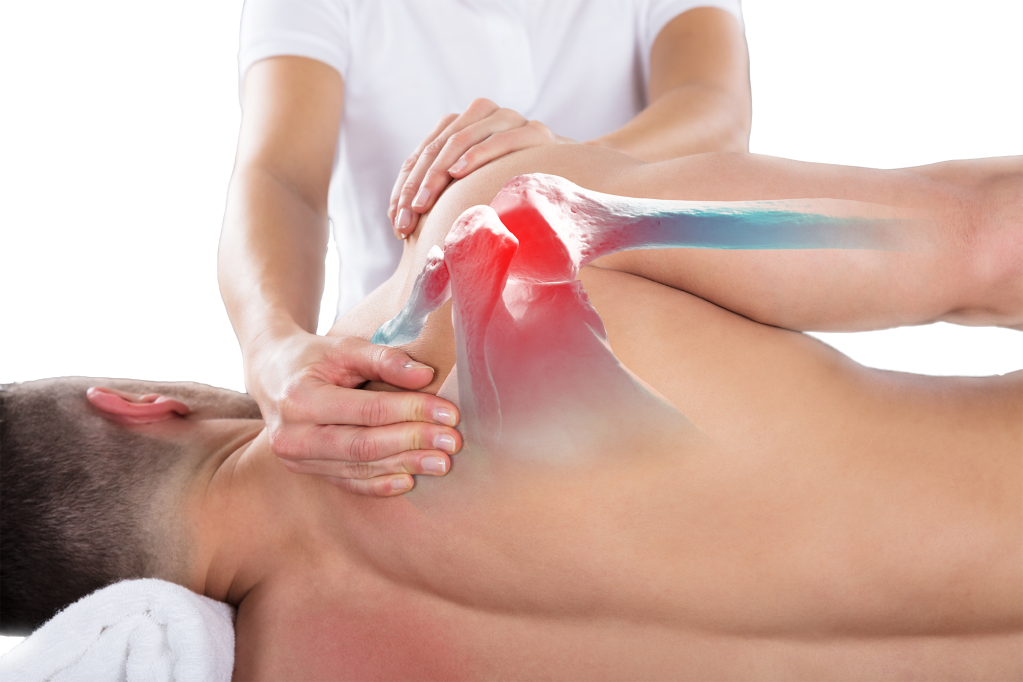
What Is Frozen Shoulder?
Frozen shoulder, also called adhesive capsulitis, affects the tissues around the shoulder joint. These tissues can become tight and irritated. As a result, the shoulder may feel painful and stiff.
Moreover, the condition can reduce your shoulder movement. You may find it difficult to raise your arm or rotate it normally. In addition, some people experience more pain at night.
Frozen shoulder usually develops in stages. Each stage can produce different symptoms. Therefore, a doctor should assess your shoulder before starting treatment.
Common Symptoms of Frozen Shoulder
Frozen Shoulder Treatment In Nagpur
Frozen shoulder can cause pain and stiffness that gradually affect your daily routine. The symptoms may start mildly and become stronger over time.
Common symptoms include:
- Shoulder pain
- Shoulder stiffness
- Reduced arm movement
- Difficulty raising the arm
- Trouble reaching behind your back
- Pain while sleeping
- Difficulty wearing or removing clothes
- Trouble combing your hair
- Reduced shoulder strength due to limited movement
Moreover, symptoms can vary from person to person. Therefore, you should seek medical advice if shoulder pain or stiffness continues for several weeks.
What Causes Frozen Shoulder?
Doctors do not always find one clear cause of frozen shoulder. However, certain conditions can increase the risk.
Possible risk factors include:
- Diabetes
- Thyroid problems
- Previous shoulder injury
- Shoulder surgery
- Long periods of limited shoulder movement
- Certain medical conditions
- Prolonged recovery after an injury
In addition, age can influence the risk. Frozen shoulder commonly affects adults between 40 and 60 years. However, younger or older people can also develop the condition.
Stages of Frozen Shoulder
Frozen Shoulder Treatment In Nagpur
Frozen shoulder usually progresses through three stages. Therefore, understanding these stages can help you recognize the condition.
1. Freezing Stage
During this stage, shoulder pain gradually increases. Your shoulder movement also starts to decrease. Moreover, night pain may make sleeping uncomfortable.
2. Frozen Stage
Pain may reduce for some people during this stage. However, stiffness can become more severe. As a result, you may have difficulty performing regular activities.
3. Thawing Stage
During the final stage, shoulder movement gradually improves. Therefore, regular exercises and proper rehabilitation can support recovery.
The duration of each stage can differ. Hence, a doctor should monitor your progress and adjust treatment when needed.
Frozen Shoulder Diagnosis
Frozen Shoulder Treatment In Nagpur
A doctor usually begins with a detailed discussion about your symptoms. Moreover, the doctor checks your shoulder movement and strength during a physical examination.
The examination may include active and passive movement tests. These tests help the doctor understand how much movement your shoulder has lost.
In some cases, the doctor may recommend imaging tests. An X-ray can help rule out arthritis or other bone problems. In addition, an ultrasound or MRI may help identify other shoulder conditions when necessary.
Therefore, an accurate diagnosis helps your doctor choose the most suitable Frozen Shoulder Treatment in Nagpur.
Frozen Shoulder Treatment in Nagpur
Treatment depends on your pain level, shoulder stiffness, medical history, and stage of the condition. Therefore, your doctor may combine different treatment methods.
Medicines for Pain Relief
Doctors may recommend medicines to control shoulder pain and inflammation. These medicines can make daily activities easier. However, you should take them only according to medical advice.
Moreover, pain control can help you perform prescribed shoulder exercises more comfortably.
Physiotherapy for Frozen Shoulder
Physiotherapy plays an important role in frozen shoulder care. A trained physiotherapist can guide you through suitable exercises.
Treatment may include:
- Gentle stretching
- Range-of-motion exercises
- Shoulder mobility exercises
- Strengthening exercises
- Posture correction
- Home exercise guidance
In addition, regular exercise can help maintain shoulder movement. However, aggressive movements can increase discomfort. Therefore, follow a structured exercise plan.
Steroid Injection
A doctor may suggest a corticosteroid injection when pain limits movement or affects daily activities. The injection can help reduce inflammation and pain in suitable patients.
Moreover, reduced pain may allow you to perform physiotherapy more comfortably. However, your doctor should decide whether an injection suits your condition.
Shoulder Hydrodilatation
Hydrodilatation involves placing fluid into the shoulder joint under medical guidance. The procedure aims to stretch the tight joint capsule and improve movement.
Therefore, doctors may consider this option for selected patients who have significant stiffness. Your doctor can explain the possible benefits and risks before treatment.
When Should You See a Doctor?
You should consider medical evaluation when shoulder pain continues or your movement becomes limited.
Seek professional advice if you experience:
- Persistent shoulder pain
- Increasing stiffness
- Difficulty raising your arm
- Night pain
- Trouble performing daily activities
- Shoulder symptoms after an injury
- Pain that does not improve with basic care
Moreover, early assessment can help rule out other shoulder problems. Therefore, do not ignore long-lasting pain or stiffness.
hy Choose Professional Frozen Shoulder Treatment?
Frozen shoulder can resemble other shoulder conditions. Therefore, self-treatment may not always address the actual problem.
A professional evaluation can help identify the cause of your symptoms. Moreover, your doctor can create a treatment plan based on your condition, activity level, and recovery goals.
In addition, regular follow-up allows the doctor to monitor your progress. As a result, the treatment plan can change when your shoulder movement improves or your symptoms change.