Asian Institute Of Advanced Surgeries


What Is Sports Injury Treatment?
Sports Injury Treatment In Nagpur
Common Sports Injuries We Treat
Sports Injury Treatment In Nagpur
Sports can place stress on different parts of the body. Therefore, athletes and active people may develop several types of injuries.
Sprains
A sprain affects a ligament that supports a joint. It often occurs after a sudden twist or awkward movement. Moreover, ankle, knee, and wrist sprains commonly occur during sports.
Doctors may recommend rest, support, medicines, exercises, and physiotherapy based on the severity. Severe ligament injuries may require further treatment.
Muscle Strains
A muscle strain occurs when a muscle or tendon stretches beyond its normal limit. Therefore, sudden acceleration, lifting, jumping, or overuse can trigger a strain.
Treatment may include rest, activity modification, pain management, stretching, strengthening, and physiotherapy. As recovery improves, doctors may guide you toward a gradual return to activity.
ACL Injuries
The anterior cruciate ligament, or ACL, helps stabilise the knee. Sports that involve sudden turning, jumping, or stopping can increase the risk of ACL injuries.
An ACL injury may cause pain, swelling, instability, or difficulty walking. Moreover, treatment depends on the injury level, age, activity goals, and knee stability. Some people improve with rehabilitation, while others may need ACL reconstruction surgery.
Meniscus Injuries
The meniscus cushions the knee joint and supports smooth movement. A sudden twist can damage this cartilage. Therefore, people may experience pain, swelling, stiffness, or locking of the knee.
Doctors may recommend activity changes, physiotherapy, medicines, or arthroscopic treatment. The right approach depends on the tear and your overall knee condition.
Shoulder Injuries
Throwing, lifting, falling, and repetitive overhead movements can affect the shoulder. Common problems include rotator cuff injuries, shoulder instability, tendon irritation, and dislocations.
A doctor can check your shoulder strength and movement. In addition, imaging tests may help identify the cause. Treatment can include exercises, medicines, physiotherapy, injections, or surgery when necessary.
Symptoms That Need Medical Attention
Sports Injury Treatment In Nagpur
Not every sports injury needs immediate medical treatment. However, certain symptoms can indicate a more serious problem.
You should consider an orthopedic evaluation if you experience:
- Severe or increasing pain
- Significant swelling
- Bruising around the injured area
- Difficulty walking or putting weight on the limb
- Limited joint movement
- Joint instability
- Repeated pain during activity
- A popping sound during an injury
- Visible deformity
- Persistent symptoms after rest
- Numbness or unusual weakness
Therefore, early assessment can help prevent a minor injury from becoming a long-term problem. Moreover, proper treatment can support a safer return to sports.
Causes of Sports Injuries
Sports injuries can develop for several reasons. A sudden accident may cause an injury during a single activity. In contrast, repeated stress can gradually affect muscles, tendons, and joints.
Common causes include:
- Sudden changes in direction
- Poor warm-up
- Excessive training
- Repetitive movements
- Incorrect exercise technique
- Muscle weakness
- Poor flexibility
- Previous injuries
- Improper footwear
- Unsafe playing surfaces
- Sudden increase in training intensity
In addition, fatigue can affect coordination and movement. As a result, tired muscles may not provide enough support during physical activity.
How Doctors Diagnose Sports Injuries
Sports Injury Treatment In Nagpur
Accurate diagnosis plays an important role in sports injury care. Therefore, doctors begin by discussing your symptoms, injury history, sports activity, and daily limitations.
Next, the doctor examines the affected area. They may check swelling, tenderness, strength, flexibility, joint stability, and movement. Moreover, the doctor may compare the injured side with the healthy side.
Some injuries require imaging tests. An X-ray can help identify fractures. MRI can show soft tissue problems such as ligament, tendon, cartilage, and muscle injuries. In addition, ultrasound can help assess certain muscles and tendons.
A clear diagnosis helps the doctor select an appropriate treatment plan.
Sports Injury Treatment Options in Nagpur
Your treatment depends on the type and severity of the injury. Therefore, doctors may use one or more treatment methods.
Rest and Activity Modification
Your doctor may advise you to reduce activities that increase pain. However, complete rest may not suit every injury. The doctor can guide you about safe movement during recovery.
Medicines
Doctors may recommend medicines to manage pain and inflammation when appropriate. Moreover, you should follow the prescribed dose and duration.
Physiotherapy
Physiotherapy can help restore strength, flexibility, balance, and movement. A physiotherapist can create exercises based on your injury and recovery stage.
In addition, rehabilitation can help improve joint control and reduce the risk of future injuries.
Braces and Supports
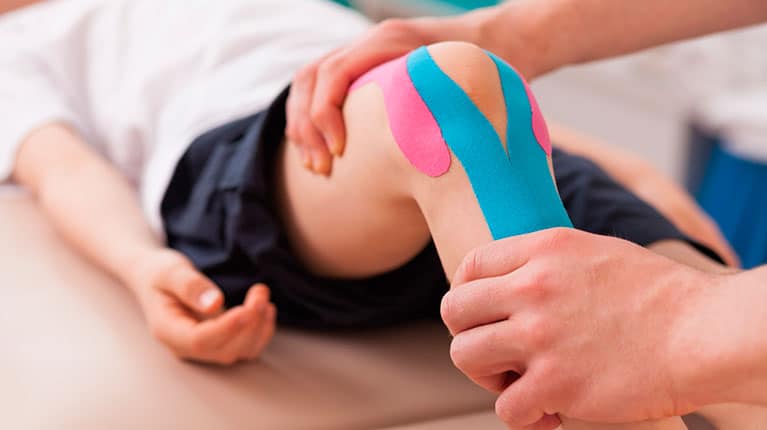
Some injuries need temporary support. Therefore, doctors may recommend braces, taping, splints, or other support devices. The choice depends on the affected joint and injury.
Injections
Certain conditions may benefit from injections. However, doctors should assess your condition before recommending this option. They consider the injury, symptoms, medical history, and expected benefits.
Rehabilitation After a Sports Injury
Sports Injury Treatment In Nagpur
Recovery does not end when pain decreases. Therefore, proper rehabilitation can help restore strength and movement before you return to full activity.
A rehabilitation plan may include:
- Gentle movement exercises
- Flexibility exercises
- Muscle strengthening
- Balance training
- Joint stability exercises
- Sports-specific drills
- Gradual activity progression
Moreover, your physiotherapist can adjust exercises as your strength improves. As a result, you can build your physical ability step by step.
Returning to sports too quickly can increase the risk of reinjury. Therefore, follow your doctor’s and physiotherapist’s advice before resuming intense activity.
Benefits of Early Sports Injury Treatment
Sports Injury Treatment In Nagpur
Early treatment can help identify the problem before it becomes more difficult to manage. Moreover, a proper diagnosis can prevent you from relying on guesswork.
Timely care may help:
- Reduce pain
- Control swelling
- Restore joint movement
- Improve muscle strength
- Support proper healing
- Reduce complications
- Improve sports performance
- Lower the risk of reinjury
However, recovery time differs from person to person. Your injury, treatment, fitness level, and rehabilitation routine can all affect your progress.