Asian Institute Of Advanced Surgeries


Joint Preservation Therapy In Nagpur
Dr. Siddharth Jain
MBBS, MS, DNB, FIAS (England)
Arthroscopy, Sports Injury, Orthopedic Surgeon
Dr. Jain remembers every patient who came to him scared. The young cricketer worried his sports career was over. The homemaker who thought she’d never cook standing up again. The grandfather who just wanted to walk his granddaughter to school one more time.
That’s why, after completing his orthopaedic training, he chose to specialise further. He spent additional years at AIIMS Delhi learning advanced techniques in sports injuries and joint care—not because he wanted another degree, but because he wanted to give people better options. Options with less pain. Faster recovery. Smaller interventions.
Joint Preservation Therapy In Nagpur
Joint Preservation Therapy In Nagpur Joint pain can affect your daily routine, movement, and overall comfort. Moreover, many people want to protect their natural joints and avoid major surgery when suitable options exist. Joint Preservation Therapy in Nagpur focuses on maintaining joint function and reducing pain while helping you stay active.
Therefore, joint preservation may suit people with early joint damage, cartilage problems, mild arthritis, sports injuries, or other conditions that affect joint health. In addition, your doctor can assess your symptoms, movement, imaging reports, age, activity level, and overall health before recommending treatment.
Therefore, consulting a specialist such as Dr. Siddharth Jain helps patients receive structured evaluation and practical guidance for managing these issues. At Asian Institute of Advanced Surgeries, patients are encouraged to discuss symptoms openly so that the condition can be assessed thoroughly.

What Is Joint Preservation Therapy?

Joint preservation therapy includes treatments that aim to protect your natural joint and maintain movement. However, the right treatment depends on the cause and severity of your joint problem.
Doctors may use a combination of non-surgical and minimally invasive treatments. These options can include physiotherapy, activity changes, medicines, injections, weight management, and selected procedures. As a result, treatment can focus on the specific problem rather than using the same approach for every patient.

Joint preservation does not promise to prevent joint replacement in every case. Therefore, your doctor needs to identify the condition early and choose an appropriate treatment plan.

Who Can Benefit From Joint Preservation?

Joint preservation may help people who have early or moderate joint problems. Moreover, younger and active patients often want to maintain their natural joints for as long as possible.

You may benefit from joint preservation if you experience:

  • Early arthritis
  • Cartilage damage
  • Sports-related joint injuries
  • Meniscus problems
  • Mild joint degeneration
  • Repeated joint pain
  • Reduced joint movement
  • Pain during walking or exercise
  • Early knee or hip problems

However, not every patient needs the same treatment. A detailed evaluation helps your doctor understand your joint condition and recommend the most suitable option.

Why Choose Joint Preservation?

Your natural joint provides movement and supports many daily activities. Therefore, protecting it can help you maintain mobility and function.

Joint preservation treatment can offer several potential benefits:

  • Helps maintain natural joint function
  • May reduce joint pain
  • Supports better movement
  • Can improve daily activities
  • May delay joint replacement in suitable cases
  • Supports an active lifestyle
  • Can address some problems at an early stage
  • May reduce the need for extensive surgery in selected patients

Moreover, early treatment can help you manage joint problems before they become more severe.

Joint Preservation Treatment Options

Physiotherapy and Exercise

Physiotherapy plays an important role in joint care. Moreover, a trained physiotherapist can create exercises that improve muscle strength, flexibility, balance, and joint movement.

Strengthening the muscles around a joint can reduce stress during movement. Therefore, regular exercise can support better joint function and help you return to daily activities.

Lifestyle and Activity Changes

Daily habits can affect joint health. However, you do not always need to stop physical activity completely.

Your doctor may recommend safer exercises, better movement techniques, weight management, or changes in high-impact activities. As a result, you can continue staying active while reducing unnecessary stress on the affected joint.

Medicines for Pain and Inflammation

Doctors may recommend medicines to manage pain or inflammation when appropriate. In addition, they may combine medication with exercise and other treatments.

You should take medicines only according to medical advice. Therefore, discuss your existing medicines, allergies, and health conditions with your doctor.

Joint Injections

Some patients may benefit from joint injections. Moreover, doctors can select an injection based on the joint problem and treatment goal.

Injections may help reduce pain or improve joint function in selected cases. However, results can vary from person to person. Your doctor will explain the expected benefits and possible risks before treatment.

Cartilage Preservation

Cartilage protects the ends of bones and helps joints move smoothly. Therefore, cartilage damage can cause pain, stiffness, and reduced movement.

Certain patients may benefit from treatments that focus on cartilage preservation or repair. In addition, early assessment can help doctors identify suitable cases before damage progresses.

Knee Problems | Joint Preservation Therapy In Nagpur

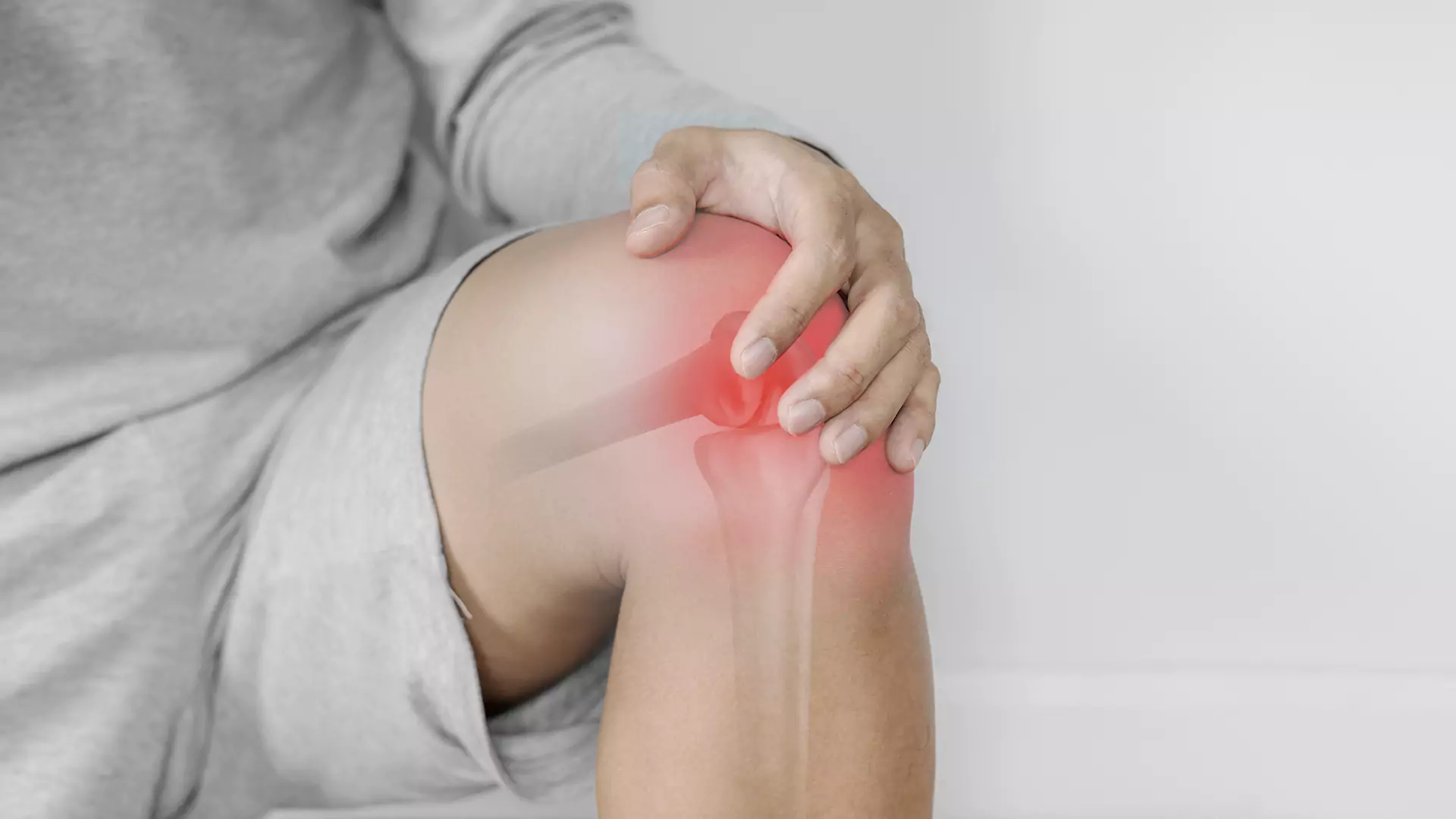
The knee often experiences stress from walking, running, sports, work, and daily activities. Therefore, knee joint preservation can help suitable patients manage early damage while maintaining natural knee function.

Treatment may include exercise therapy, weight management, medicines, injections, or selected procedures. In addition, doctors may recommend changes in activity to reduce repeated stress on the knee.

Early treatment can make a difference. However, advanced joint damage may require a different treatment approach. Your orthopedic specialist can guide you after a proper evaluation.

Hip Problems

Hip problems can affect walking, sitting, climbing stairs, and other everyday activities. Moreover, early hip conditions may respond to non-surgical treatment in suitable patients. Treatment can focus on improving muscle strength, reducing stress on the joint, managing pain, and improving movement. Therefore, early evaluation can help identify the right treatment before the condition progresses.

Sports Injuries

Athletes and active people often place greater stress on their joints. However, early treatment can help manage many sports-related injuries and support a safe return to activity. Joint preservation may focus on protecting cartilage, meniscus, ligaments, or other joint structures. In addition, rehabilitation can improve strength, flexibility, balance, and movement control. A gradual return to sports can also reduce the risk of reinjury. Therefore, follow your orthopedic and rehabilitation plan carefully.

How Does Joint Preservation Therapy Work?

Joint preservation starts with a detailed assessment. Moreover, your doctor may ask about pain, swelling, stiffness, activity level, previous injuries, and changes in movement. The doctor may also examine your joint and recommend imaging tests when necessary. These tests can help identify cartilage damage, bone changes, ligament injuries, or other problems. After the evaluation, your doctor creates an individual treatment plan. Therefore, your treatment may include one option or a combination of several approaches.

Frequently Asked Questions (FAQ) - Joint Preservation Therapy In Nagpur

1. What is Joint Preservation Therapy?
Joint Preservation Therapy aims to protect your natural joint and maintain movement. Moreover, treatment may include exercise, physiotherapy, medicines, injections, or selected procedures.
People with early arthritis, cartilage damage, sports injuries, or joint pain may benefit. However, an orthopedic specialist should assess your condition before treatment.
Joint preservation may delay joint replacement in suitable patients. Therefore, early treatment can help manage some joint problems before they become severe.
Yes, suitable patients with early knee problems may benefit. In addition, treatment can focus on cartilage, meniscus, muscle strength, and joint movement.
Joint preservation can help some people with early hip problems. Moreover, treatment may improve movement and reduce stress on the hip joint.

Consult Our Experienced Orthopaedic Surgeon for Detailed Guidance

Call Now Button