Asian Institute Of Advanced Surgeries


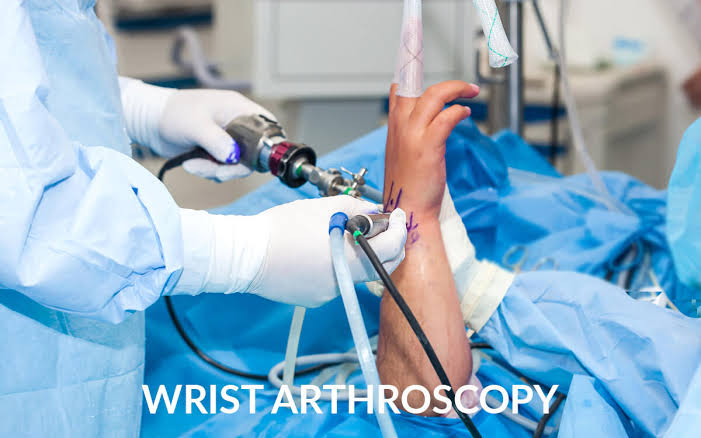
What Is Wrist Arthroscopy?
When Do You Need Wrist Arthroscopy?
Doctors may recommend wrist arthroscopy when wrist pain continues despite suitable non-surgical treatment. In addition, the procedure can help diagnose or treat certain internal wrist problems.
Your doctor may consider wrist arthroscopy in Nagpur for conditions such as:
- Persistent wrist pain
- Wrist ligament injuries
- Triangular fibrocartilage complex (TFCC) injuries
- Certain wrist fractures
- Cartilage damage
- Wrist instability
- Joint inflammation
- Ganglion cysts
- Some cases of chronic wrist pain
- Problems that need direct joint examination
However, not every wrist problem requires surgery. Therefore, your orthopedic specialist will first look for non-surgical treatment options when they can provide good results.
Common Causes of Wrist Problems | Wrist Arthroscopy In Nagpur
Several conditions can affect wrist function. Moreover, falls, sports injuries, repetitive movements, and accidents can place stress on the wrist structures.
Common causes include:
- Falls on an outstretched hand
- Sports-related injuries
- Workplace accidents
- Repetitive wrist movements
- Ligament damage
- Previous wrist fractures
- Joint wear and tear
- Cartilage injuries
- Wrist instability
As a result, some people may develop pain, swelling, stiffness, weakness, or reduced wrist movement. Early medical evaluation can help identify the cause and guide proper treatment.
How Does Work? | Wrist Arthroscopy In Nagpur
Before the procedure, your orthopedic surgeon will examine your wrist and review your test results. Moreover, the doctor may recommend X-rays, MRI scans, or other tests to understand the problem.
During wrist arthroscopy, the surgeon usually makes small openings around the wrist. The surgeon then places the arthroscope through one opening. In addition, the surgeon can use small instruments through other openings when treatment requires them.
The camera provides a clear view of the wrist joint. Therefore, the surgeon can identify damaged tissues and address the problem with controlled movements. After completing the procedure, the surgeon closes the small openings and applies a suitable dressing.
Conditions Treated | Wrist Arthroscopy In Nagpur
Wrist arthroscopy can help doctors manage several joint and soft-tissue problems. However, the exact treatment depends on the injury and its severity.
TFCC Injuries
The triangular fibrocartilage complex supports the wrist and helps with movement. Moreover, a tear can cause pain, clicking, weakness, or difficulty rotating the wrist. Arthroscopy can help the surgeon examine and treat selected TFCC injuries.
Ligament Injuries
Wrist ligaments connect the bones and provide stability. Therefore, a damaged ligament can cause pain or abnormal movement. Arthroscopy may help diagnose the injury and support appropriate treatment.
Wrist Fractures
Some wrist fractures can involve the joint surface or surrounding tissues. In addition, arthroscopy can help the surgeon inspect the joint during selected fracture procedures.
Cartilage Problems
Cartilage helps bones move smoothly inside a joint. However, injury or wear can damage this smooth surface. Arthroscopy allows the surgeon to examine the cartilage and address certain problems.
Ganglion Cysts
Ganglion cysts can develop around the wrist and may cause pain or discomfort. Moreover, some cysts may require surgical treatment when symptoms continue. Arthroscopic techniques can help treat selected wrist ganglion cysts.
Benefits | Wrist Arthroscopy In Nagpur
Wrist arthroscopy offers several potential benefits when the procedure suits the patient’s condition. Moreover, the surgeon uses small openings instead of a large surgical cut.
Potential benefits include:
- Smaller surgical openings
- Less disturbance to surrounding tissues
- Better joint visualization
- Treatment and diagnosis during the same procedure
- Potentially less post-operative discomfort
- Smaller scars
- Support for earlier movement in suitable cases
However, every patient responds differently. Therefore, your doctor will explain the expected benefits based on your wrist condition, overall health, and treatment plan.
Wrist Arthroscopy vs Open Surgery
Both arthroscopy and open surgery can treat wrist conditions. However, doctors choose between them based on the injury, its location, and its severity.
Wrist arthroscopy uses small openings and a camera to access the joint. In contrast, open surgery uses a larger incision when the condition requires wider access.
Moreover, arthroscopy may reduce disruption to nearby tissues in suitable cases. Therefore, some patients may experience a smoother recovery. However, complex injuries may still require open surgery or a combination of techniques.
Your orthopedic surgeon will recommend the safest and most effective approach after examining your wrist.
What Happens Before Arthroscopy?
Your doctor will start with a detailed evaluation. Moreover, the doctor will ask about your symptoms, previous injuries, daily activities, and medical history.
You may need imaging tests to understand the condition. In addition, your doctor may ask about medicines and existing health concerns. Therefore, provide complete and accurate information before surgery.
Your medical team will also explain preparation instructions. These instructions may include fasting, medication changes, and arrangements for transportation after the procedure.
What Happens After Arthroscopy?
After the procedure, your medical team will monitor you for a suitable period. Moreover, you may receive instructions about wound care, pain control, wrist support, and activity limits.
Your doctor may recommend keeping the wrist elevated during the early recovery period. In addition, you may need exercises or physiotherapy to restore movement and strength.
However, recovery time varies from person to person. Therefore, follow your doctor’s instructions and avoid returning to demanding activities too quickly.
Recovery | Wrist Arthroscopy In Nagpur
Recovery depends on the procedure and the condition treated. Moreover, your age, general health, activity level, and rehabilitation plan can influence your recovery.
Some patients can return to light activities relatively soon. However, strenuous exercise, heavy lifting, and sports may require more time.
Physiotherapy can play an important role when your doctor recommends it. Therefore, follow the exercise plan and gradually increase wrist activity. As a result, you can support better movement, strength, and function.
Is Wrist Arthroscopy Safe?
Wrist arthroscopy generally offers a well-established minimally invasive approach for selected wrist problems. However, every surgical procedure carries some risk.
Possible complications can include:
- Infection
- Bleeding
- Swelling
- Temporary stiffness
- Nerve irritation
- Continued pain
- Reduced movement
- Blood vessel or tendon injury
- Problems related to anesthesia
Moreover, your surgeon will take appropriate precautions to reduce these risks. Therefore, discuss your medical history and concerns before the procedure.