Asian Institute Of Advanced Surgeries


What Is a Cruciate Ligament Injury?
Cruciate Ligament Repair And Reconstruction In Nagpur
When Should You Consider Cruciate Ligament Treatment?
However, surgery may be needed if the ligament has a large tear and the knee stays weak. Athletes who want to return to sports may also need a full knee check.
You should see an orthopedic doctor if you have:
A weak or loose knee
A feeling that your knee may give way
Swelling after an injury
Trouble walking or putting weight on the leg
Trouble running or jumping
Knee problems that keep coming back
A popping sound when the injury happens
Moreover, early care can help protect your knee. It can also lower the risk of more injuries and other knee problems.
Cruciate Ligament Repair vs Reconstruction
Cruciate Ligament Repair And Reconstruction In Nagpur
Many people use the words ligament repair and reconstruction in the same way. However, they are two different types of surgery.
Cruciate ligament repair tries to fix the torn ligament. The surgeon checks the tear and the health of the ligament before choosing this option.
Cruciate ligament reconstruction replaces the torn ligament with a graft. The surgeon may use tissue from your own body. In some cases, the surgeon may use tissue from a donor. Therefore, reconstruction may help when the torn ligament cannot keep the knee stable.
Your orthopedic doctor will choose the right surgery after checking your knee, injury, and needs.
How Does ACL Reconstruction Work?
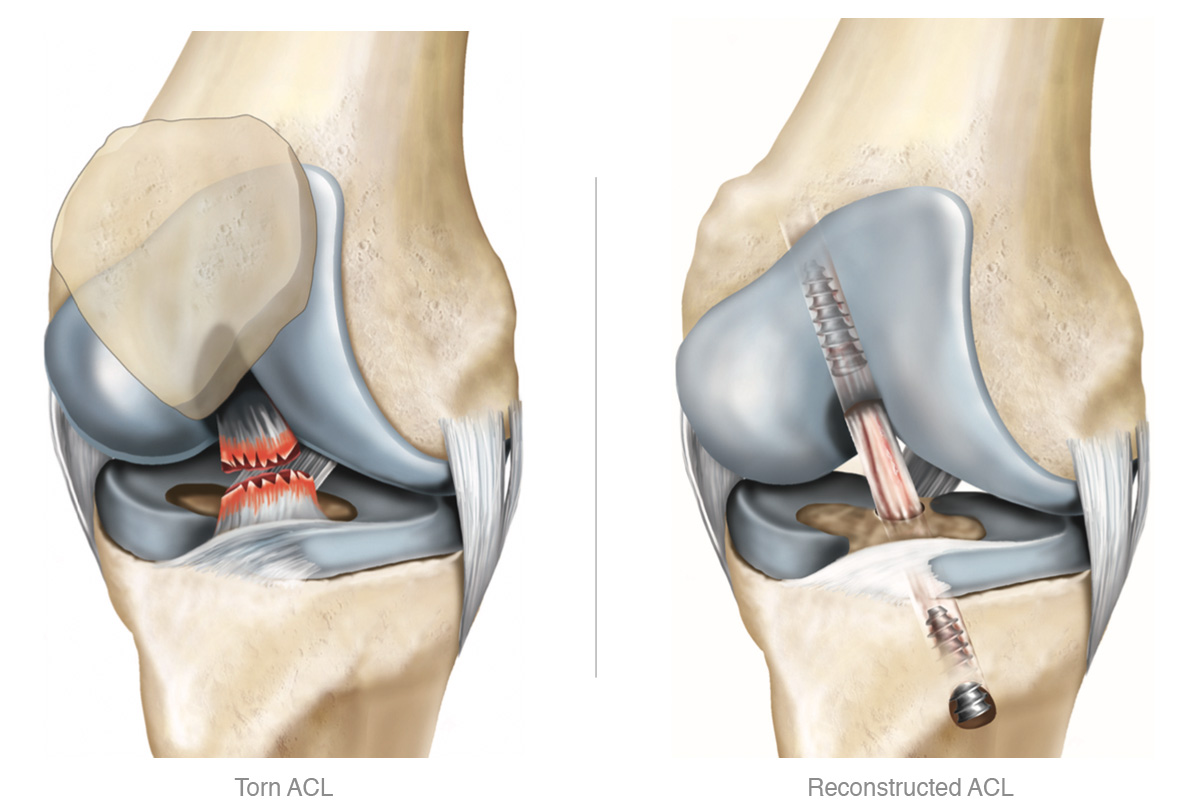
ACL reconstruction replaces the damaged ACL with a new graft. The surgeon usually does the surgery through small cuts. The surgeon uses a small camera and tools to see and treat the knee.
First, the surgeon checks the knee and looks at the ACL injury. Next, the surgeon gets the graft ready and makes small bone tunnels for it. Then, the surgeon puts the graft in place and fixes it to help make the knee stable.
Moreover, most ACL surgeries use small cuts and a camera. However, the exact method may change based on the knee injury, knee shape, graft type, and the surgeon’s plan.
How Does PCL Reconstruction Work?
PCL surgery helps make the knee stable after a bad PCL injury. However, the surgeon first checks the knee. A PCL injury may also harm other ligaments or knee tissue.
During surgery, the surgeon uses a graft to replace the torn ligament. Therefore, the main goal is to make the knee stable and help it move well.
In addition, the surgeon may treat other knee problems during the same surgery if needed. Your orthopedic doctor will explain the care plan after checking your knee and scans.
Symptoms That May Indicate a Cruciate Ligament Tear
Cruciate ligament injuries can cause many knee problems. Moreover, the signs can be different for each person. Some people feel pain right after the injury. Others notice knee problems later.
Common signs include:
Sudden knee pain after an injury
Swelling around the knee
A popping sound when the injury happens
Trouble putting weight on the leg
A feeling that the knee may give way
Trouble turning or changing direction
Less trust in the knee during sports or exercise
However, these signs can also happen with a meniscus, cartilage, or other ligament injury. Therefore, an orthopedic doctor should check your knee before you start treatment.
Diagnosis of Cruciate Ligament Injuries
Cruciate Ligament Repair And Reconstruction In Nagpur
An orthopedic specialist starts the diagnosis with a detailed medical history and physical examination. The doctor may perform specific knee stability tests to understand ligament function.
Moreover, the doctor may recommend imaging tests when necessary. An X-ray can help identify certain bone-related problems, while an MRI can provide detailed information about ligaments, meniscus, cartilage, and other soft tissues.
Therefore, your treatment plan should follow a complete assessment rather than symptoms alone.
Arthroscopic Cruciate Ligament Reconstruction
Cruciate Ligament Repair And Reconstruction In Nagpur
Arthroscopy helps the surgeon check and treat the inside of the knee through small cuts. Moreover, it usually needs smaller cuts than open surgery.
During the procedure, the surgeon uses a small camera to see inside the knee. The camera shows the joint on a screen. The surgeon then prepares the injured area and places the graft in the right position.
However, surgery alone does not complete the recovery. Therefore, patients must follow their orthopedic doctor and physiotherapist’s advice during recovery.
Choosing the Right Graft
Graft choice is important during cruciate ligament reconstruction. The surgeon chooses the graft based on your age, activity level, sport, injury, knee structure, and treatment needs.
Common graft options include tissue from your own body. These may include the patellar tendon, hamstring tendon, or quadriceps tendon. In some cases, the surgeon may use donor tissue.
Moreover, each graft has its own benefits and limits. Therefore, your surgeon will discuss the options and choose a graft that best suits your needs.
Recovery After Cruciate Ligament Reconstruction
Recovery does not end when surgery finishes. Instead, rehabilitation plays a major role in restoring strength, movement, balance, and knee function.
Initially, your physiotherapist may focus on swelling control, pain management, safe movement, and gradual restoration of knee mobility. Next, rehabilitation can progress toward muscle strengthening, balance exercises, functional training, and activity-specific exercises.
Moreover, your rehabilitation program should match your recovery progress. Therefore, avoid returning to running, jumping, or competitive sports before your orthopedic and physiotherapy team considers your knee ready.
Physiotherapy After Cruciate Ligament Surgery
Physiotherapy plays an important role after cruciate ligament surgery. It helps you slowly get back knee movement and muscle strength.
Your physiotherapist may include:
Knee movement exercises
Thigh muscle exercises
Hamstring exercises
Hip and core exercises
Balance exercises
Walking exercises
Daily movement exercises
Sports exercises
However, each patient heals at a different speed. Therefore, your physiotherapist may change your exercises based on your strength, knee movement, pain, and healing.
Why Choose Cruciate Ligament Treatment In Nagpur?
Nagpur has many orthopedic doctors, testing centers, surgery services, and rehab centers. Therefore, patients can get care for ligament injuries close to home.
When choosing a doctor for Cruciate Ligament Repair And Reconstruction In Nagpur, check the doctor’s experience with knee injuries and surgery. Also, ask about knee tests, treatment, surgery, and rehab plans.
Moreover, ask your doctor about your injury and treatment choices. You can also ask about recovery time, exercises, and when you can return to sports. Clear answers can help you choose the right care for your needs.
Benefits of Timely Cruciate Ligament Evaluation
Seeing an orthopedic doctor early can help find the cause of knee pain or weakness. Moreover, an early check can find other knee injuries that may need care.
Treatment may help:
Make the knee more stable
Improve knee movement
Help you return to daily work and activities
Build trust in your knee
Treat other knee injuries
Create a good rehab plan
However, each person heals in a different way. Therefore, your orthopedic doctor should make a care plan based on your knee injury, needs, and recovery.
Who Can Benefit From Cruciate Ligament Reconstruction?
Cruciate ligament surgery may help people with a serious ligament tear and ongoing knee weakness. Athletes who play sports that need fast turns may need a close knee check.
Moreover, people who often feel their knee give way should see an orthopedic doctor. The doctor can check the knee and see if surgery may help.
However, surgery may not be the best choice for everyone. Therefore, talk to your orthopedic doctor about both surgery and other treatment options before you decide.