Asian Institute Of Advanced Surgeries


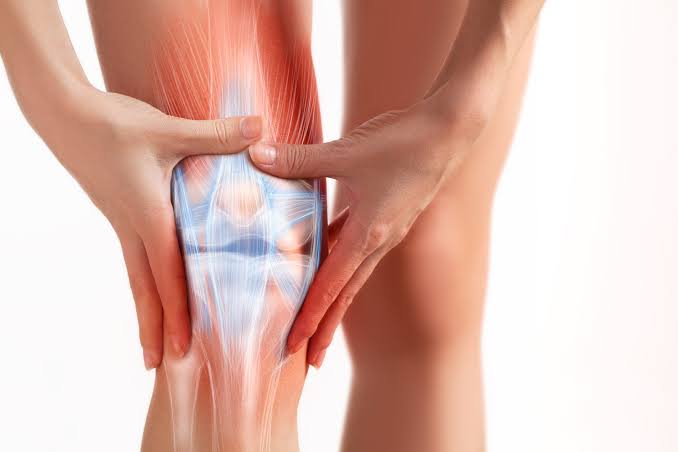
What Is a Ligament Tear?
A ligament tear can affect many joints, such as the knee, ankle, shoulder, wrist, and elbow. Moreover, knee ligament injuries often happen during sports that involve quick turns, jumps, or hard landings.
The damage can range from a mild stretch to a full tear. Therefore, doctors check the level of damage before choosing treatment. A proper check helps the doctor choose the right care for each patient.
Common Causes of Ligament Tears
Ligament injuries can happen during sports, work, exercise, or daily activities. Moreover, some injuries occur suddenly, while others develop after repeated stress on a joint.
Common causes include:
- Sudden twisting of the joint
- Sports injuries
- Falls or accidents
- Incorrect landing after a jump
- Direct impact on the joint
- Sudden changes in direction
- Overstretching during exercise
- Repeated stress on the ligament
In addition, poor muscle strength and limited flexibility can increase stress on certain joints. Therefore, regular strength and flexibility exercises can help support joint stability.
Common Symptoms of a Ligament Tear
A ligament tear can cause different symptoms depending on the injured joint and the severity of the injury. However, many people notice pain and swelling soon after the injury.
Common symptoms include:
- Sudden joint pain
- Swelling around the joint
- Bruising
- Joint stiffness
- Difficulty walking
- Reduced range of motion
- Tenderness around the injured area
- Feeling of joint instability
- Difficulty putting weight on the affected leg
- A popping sensation during the injury
Moreover, some people may continue their normal activities after a minor tear. However, the joint may feel unstable during sports or movements that require quick direction changes.
Knee Ligament Tears
The knee contains several important ligaments that help control movement and stability. Therefore, a knee ligament injury can significantly affect walking and physical activity.
- ACL tear
- PCL tear
- MCL tear
- LCL tear
An ACL tear often occurs during sports that involve sudden stopping, jumping, landing, or changing direction. Moreover, people may notice a popping sensation followed by swelling and difficulty putting weight on the knee.
A PCL tear can occur after a strong impact to the front of the knee or during certain falls and sports injuries. Similarly, MCL and LCL injuries can affect the stability of the knee from different sides.
How Doctors Diagnose a Ligament Tear
An orthopedic specialist first discusses your injury, symptoms, and activity level. Moreover, the doctor examines the affected joint and checks its movement, stability, swelling, and tenderness.
The doctor may recommend imaging tests when necessary. These tests can help identify the extent of the injury and check for other problems.
Depending on your condition, your doctor may recommend:
- X-ray
- MRI scan
- Ultrasound in selected cases
- Physical examination
- Joint stability tests
An X-ray can help doctors identify bone injuries. However, an MRI can provide detailed information about soft tissues such as ligaments, tendons, cartilage, and muscles.
Therefore, accurate diagnosis plays an important role in selecting the right ligament tear treatment in Nagpur.
Ligament Tear Treatment In Nagpur
Ligament Tear Treatment In Nagpur
Doctors choose ligament tear treatment according to the severity of the injury, the affected joint, your age, activity level, and overall joint stability.
Treatment may include:
Rest and Activity Modification
Your doctor may recommend temporary rest from activities that increase pain or swelling. Therefore, avoiding stressful movements can give the injured ligament time to recover.
However, complete inactivity for a long period may weaken the surrounding muscles. Your doctor or physiotherapist can guide you about safe movements during recovery.
Ice and Compression
Ice can help reduce pain and swelling during the early stage of some ligament injuries. Moreover, compression and elevation may help control swelling.
Always follow your healthcare professional’s instructions for using ice and compression safely.
Medicines
Doctors may recommend medicines to control pain and inflammation when appropriate. However, you should use medicines according to professional advice, especially if you have other health conditions or take other medicines.
Physiotherapy
Physiotherapy plays an important role in many ligament injuries. Moreover, a structured rehabilitation program can help improve strength, flexibility, balance, and joint control.
A physiotherapist may include:
- Gentle range-of-motion exercises
- Muscle-strengthening exercises
- Balance training
- Flexibility exercises
- Stability exercises
- Sport-specific exercises
As a result, rehabilitation can help you gradually return to daily activities and physical exercise.
Benefits of Timely Orthopaedic Care
Joint problems can affect your quality of life when you ignore them. However, early care can help you understand the problem and take suitable steps.
Moreover, timely treatment can help reduce discomfort and improve movement. In addition, proper exercises and lifestyle changes can support long-term joint health.
As a result, regular attention to your bones and joints can help you stay active and independent.
When Does a Ligament Tear Need Surgery?
Not every ligament tear requires surgery. However, some severe injuries may benefit from surgical treatment, particularly when the ligament has completely torn or the joint remains unstable.
Doctors may consider surgery when:
- The ligament has a complete tear
- The joint remains unstable
- Conservative treatment does not provide enough improvement
- Multiple ligaments have suffered injuries
- The injury affects your ability to perform your work or sport
- You want to return to high-level sports
- The injury occurs along with other significant joint damage
Therefore, an orthopedic specialist should evaluate your condition before you decide about surgery.
Ligament Reconstruction Surgery
Ligament Tear Treatment In Nagpur
Some complete ligament tears require reconstruction rather than simple repair. During reconstruction, the surgeon uses a graft to create a new ligament structure and restore joint stability.
For example, doctors commonly use ligament reconstruction for certain ACL injuries. Moreover, the surgeon selects the appropriate technique according to the injury, joint condition, activity level, and individual needs.
After surgery, rehabilitation becomes an important part of recovery. Therefore, following the prescribed physiotherapy program can help restore movement, strength, and stability.
Recovery After Ligament Tear Treatment
Ligament Tear Treatment In Nagpur
Recovery time varies from person to person. Moreover, the recovery period depends on the type of ligament injury, treatment method, age, physical condition, and rehabilitation progress.
A minor ligament injury may improve with conservative care and rehabilitation. However, a complete tear that requires surgery may need several months of structured recovery.
During rehabilitation, your healthcare team may gradually increase:
- Joint movement
- Muscle strength
- Balance
- Coordination
- Weight-bearing activity
- Functional movements
- Sports-specific exercises
Therefore, you should not return to demanding activities simply because your pain has reduced. Your doctor or physiotherapist should guide your return to exercise and sports.
Benefits of Early Ligament Tear Treatment
Early evaluation can help identify the extent of your injury. Moreover, timely treatment can help prevent you from putting unnecessary stress on the injured joint.
Proper treatment may help:
- Reduce pain and swelling
- Improve joint movement
- Restore joint stability
- Strengthen supporting muscles
- Improve confidence during movement
- Reduce the risk of repeated injury
- Support a gradual return to daily activities
However, every injury requires an individual treatment approach. Therefore, you should avoid copying someone else’s treatment plan.
Why Choose Specialist Ligament Tear Treatment?
Preventing Ligament Injuries
Ligament Tear Treatment In Nagpur
You cannot prevent every ligament injury. However, you can reduce your risk by preparing your body before demanding physical activity.
Consider these simple habits:
- Warm up before exercise
- Strengthen the muscles around your joints
- Improve flexibility
- Practice proper landing techniques
- Wear suitable sports footwear
- Increase exercise intensity gradually
- Follow proper sports techniques
- Take adequate recovery time
- Avoid exercising through severe pain
Moreover, athletes should include balance and movement-control exercises in their training programs. As a result, better strength and coordination can improve joint support during physical activity.
When Should You See an Orthopedic Specialist?
You should seek professional evaluation if you experience severe pain, significant swelling, joint instability, or difficulty putting weight on the affected limb after an injury.
Moreover, you should not ignore a joint that repeatedly gives way. Repeated instability can affect your activity and may contribute to additional joint problems.
Therefore, timely Ligament Tear Treatment In Nagpur can help you understand your injury and choose an appropriate treatment plan.
Frequently Asked Questions (FAQ)
1. What is a ligament tear?
A ligament tear occurs when a ligament stretches beyond its limit or tears due to an injury, fall, twist, or sudden movement.