Asian Institute Of Advanced Surgeries


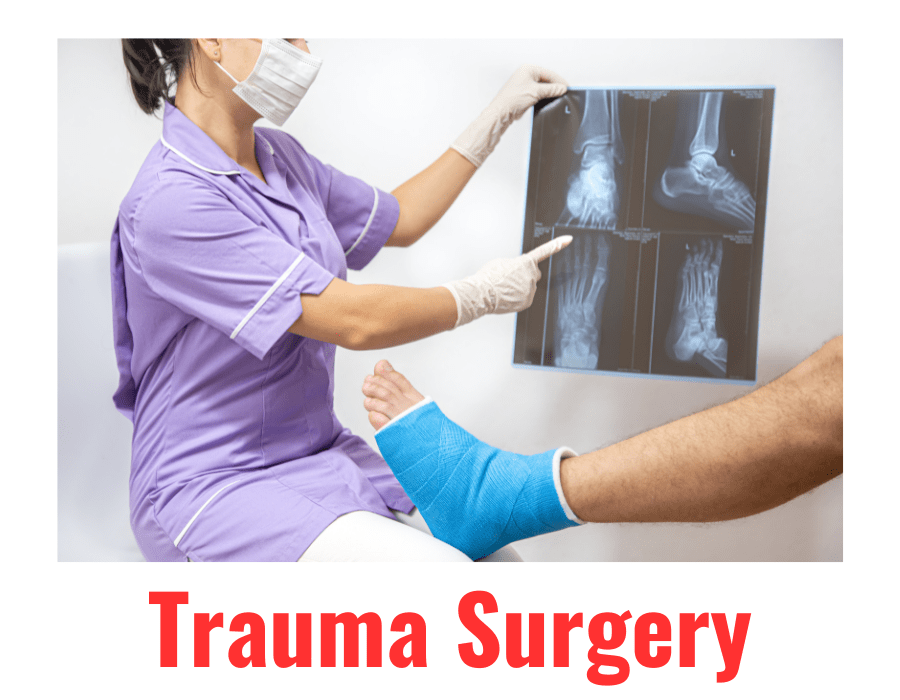
What Is Trauma And Fracture Surgery?
Trauma And Fracture Surgery In Nagpur
Common Causes Of Fractures And Trauma
Trauma And Fracture Surgery In Nagpur
People can suffer fractures from many different situations. Moreover, road accidents remain a common cause of serious trauma. Other common causes include:
- Road traffic accidents
- Falls from height
- Slips and falls
- Sports injuries
- Workplace accidents
- Direct blows to the body
- Twisting injuries
- Heavy object injuries
- Industrial accidents
- Age-related falls
Therefore, people should seek medical attention after a significant injury, especially when they experience severe pain, swelling, deformity, or difficulty moving the affected area.
Common Fractures Treated By Orthopedic Surgeons
Orthopedic specialists treat many types of fractures. However, the treatment depends on the affected bone and the severity of the injury. Common fractures include:
- Arm fractures
- Wrist fractures
- Hand and finger fractures
- Shoulder fractures
- Collarbone fractures
- Elbow fractures
- Hip fractures
- Thigh bone fractures
- Knee-area fractures
- Leg fractures
- Ankle fractures
- Foot fractures
- Pelvic fractures
Moreover, doctors also treat fractures that involve joints. These injuries may require careful treatment because they can affect normal joint movement.
Types Of Trauma Cases We Treat
Trauma And Fracture Surgery In Nagpur
Trauma care involves more than broken bones. In addition, a serious accident can cause more than one injury at the same time. Orthopedic doctors may treat the following injuries:
Fracture Injuries
Doctors treat both simple and serious broken bones. Therefore, they choose the right treatment based on the type of break, the bone involved, and the patient’s health.
Dislocations
A dislocation happens when a bone moves out of its normal joint position. Moreover, doctors may move the bone back into place and support the joint while it heals.
Multiple Injuries
Some accidents can hurt different parts of the body. Therefore, doctors check each injury and plan the right care for the patient.
Sports Injuries
Sports can cause broken bones, ligament tears, tendon injuries, and joint problems. In addition, athletes may need physical therapy before they return to sports safely.
When Does A Fracture Need Surgery?
Not every fracture requires an operation. However, some fractures may need surgical treatment to restore bone alignment and stability. Doctors may consider surgery when:
- The bone has moved significantly.
- The fracture involves a joint.
- The fracture creates severe instability.
- The injury involves multiple bone fragments.
- The fracture has failed to heal properly.
- The bone has broken through the skin.
- The fracture affects normal movement.
- The injury causes significant deformity.
Moreover, the orthopedic surgeon considers the patient’s age, activity level, medical history, and injury before recommending surgery. Therefore, patients should follow professional medical advice instead of choosing treatment based only on the type of fracture.
Common Trauma And Fracture Surgeries
Trauma And Fracture Surgery In Nagpur
Orthopedic surgeons use different surgical techniques for different injuries. Moreover, the goal remains to restore bone alignment, provide stability, and support healing.
Open Reduction And Internal Fixation
Open reduction and internal fixation, often called ORIF, helps treat fractures that need accurate alignment and stable fixation. Therefore, the surgeon places the broken bone into the correct position and uses suitable implants to hold it securely.
Plate And Screw Fixation
Surgeons may use plates and screws to stabilize certain fractures. In addition, this method can provide strong support while the bone heals.
Intramedullary Nailing
Intramedullary nails can help treat some long-bone fractures. Therefore, this technique can provide internal support while allowing the bone to heal.
External Fixation
External fixation uses a frame outside the body to stabilize a damaged bone. Moreover, doctors may consider this method for certain complex fractures and severe trauma cases.
Why Choose Expert Trauma And Fracture Care?
Trauma And Fracture Surgery In Nagpur
Trauma care needs a proper check and quick action. Moreover, an experienced orthopedic team can check the injury and plan treatment based on the patient’s needs.
Modern tests and scans can help doctors understand the injury better. In addition, trained medical staff can check the patient during treatment and recovery. Therefore, choosing a good trauma and fracture care center can help doctors provide the right treatment.
Diagnosis For Fractures And Trauma
Doctors begin with a physical examination and review the patient’s symptoms. Moreover, they may recommend imaging tests to understand the injury in greater detail.
X-Ray
X-rays help doctors identify many types of bone fractures and changes in bone alignment. Therefore, they often serve as an important first imaging test.
CT Scan
A CT scan provides detailed images of bones and complex fracture patterns. In addition, doctors may use CT imaging when a fracture involves a joint or multiple bone fragments.
MRI
An MRI can show soft tissues such as ligaments, tendons, muscles, and cartilage. Therefore, doctors may recommend an MRI when they suspect soft tissue damage along with a fracture.
Symptoms That May Indicate A Fracture
Trauma And Fracture Surgery In Nagpur
A fracture can cause many clear signs. However, the signs may change based on the injury and the bone involved. Common signs include:
Strong pain
Swelling
Bruising
Pain when touched
Trouble moving the injured area
Trouble putting weight on a leg
Change in the shape of the bone or body part
Less movement in the joint
Unusual movement
A cut or open wound near the injury
Moreover, numbness or a change in skin color may show a serious injury. Therefore, seek medical help quickly after a major injury.
What Happens During Fracture Surgery?
The surgery depends on the injury and the treatment plan. First, the orthopedic team checks the patient and reviews the scans. Moreover, the team prepares the patient for surgery.
During the surgery, the surgeon puts the broken bone back into the right position. The surgeon may also use plates, screws, rods, or other tools to hold the bone in place. In addition, the medical team checks the patient during the surgery.
After surgery, doctors give simple instructions for wound care, medicines, movement, and exercises. Therefore, patients should follow these instructions carefully. This approach can help the bone heal well and support a safe recovery.
Recovery After Trauma And Fracture Surgery
Recovery can take different amounts of time for different patients. Moreover, the healing period depends on the type of fracture, surgical procedure, age, general health, and rehabilitation.
Doctors may recommend gradual movement after surgery. In addition, physiotherapy can help improve strength, flexibility, balance, and joint movement. Therefore, patients should follow their rehabilitation plan and avoid putting unnecessary stress on the healing bone.
Regular follow-up appointments also help doctors monitor healing. As a result, the medical team can identify concerns and adjust treatment when needed.
Role Of Physiotherapy After Fracture Surgery
Physiotherapy helps many patients recover after a fracture. Moreover, too much rest can make muscles weak and joints stiff. A physiotherapist can plan exercises based on the injury and healing stage.
Treatment may include gentle movements, muscle exercises, balance training, walking practice, and daily activity exercises. Therefore, patients can slowly return to their normal activities.
However, patients should not start exercises on their own after major fracture surgery. A trained physiotherapist should guide the exercises. The exercise plan should match the healing stage and the doctor’s advice.
How Can You Prepare For Fracture Surgery?
Benefits Of Timely Trauma Care
Why Choose Trauma And Fracture Surgery In Nagpur?
Nagpur offers access to orthopedic specialists, diagnostic facilities, hospitals, and rehabilitation services. Therefore, patients can receive comprehensive care for different types of trauma and fracture injuries.
When choosing a trauma and fracture surgeon, consider the doctor’s experience, treatment approach, hospital facilities, emergency support, and rehabilitation services. Moreover, discuss your diagnosis and treatment options clearly before making a decision.
Frequently Asked Questions (FAQ)
1. What is trauma and fracture surgery?
Trauma and fracture surgery treats broken bones, joint injuries, dislocations, and serious injuries caused by accidents or falls. Moreover, an orthopedic surgeon selects the right treatment after checking the injury.