Asian Institute Of Advanced Surgeries


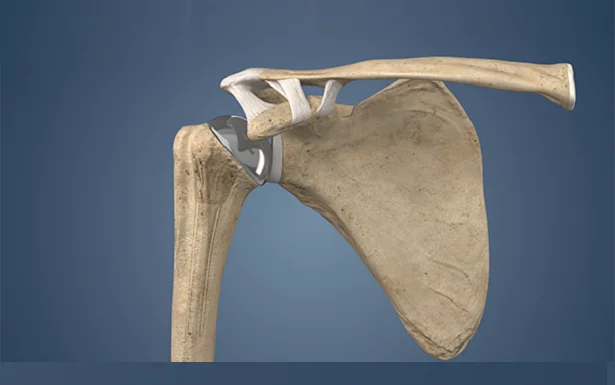
What Is Shoulder Replacement Surgery?
When Do You Need Shoulder Replacement?
Not every person with shoulder pain needs joint replacement. However, severe joint damage can make daily activities increasingly difficult. Therefore, your doctor may recommend shoulder replacement when other treatments no longer provide adequate relief.
Common signs that may indicate advanced shoulder joint damage include:
- Persistent shoulder pain
- Severe arthritis
- Difficulty lifting the arm
- Reduced shoulder movement
- Pain during sleep
- Difficulty performing daily activities
- Shoulder stiffness
- Loss of joint strength
- Pain that continues despite treatment
- Significant cartilage or joint damage
Moreover, your surgeon will perform a detailed examination before recommending surgery. In addition, X-rays, MRI scans, or other investigations may help your doctor understand the extent of joint damage.
Common Conditions That May Require Shoulder Replacement
Several shoulder conditions can damage the joint and cause severe pain. Therefore, an experienced Shoulder Replacement Surgeon In Nagpur carefully evaluates the underlying problem before recommending surgery.
Shoulder Arthritis
Shoulder arthritis can gradually damage the cartilage inside the joint. As a result, the bones may rub against each other and cause pain, stiffness, and reduced movement. Moreover, advanced arthritis can make routine activities such as dressing, reaching, or combing your hair difficult.
Rotator Cuff Tear Arthropathy
A severe or long-standing rotator cuff tear can affect shoulder stability and joint function. Therefore, some patients may develop a condition called rotator cuff tear arthropathy. In such cases, a reverse shoulder replacement may provide better pain relief and functional improvement.
Severe Shoulder Fractures
Some complex shoulder fractures can damage the joint surface and surrounding structures. Moreover, certain fractures may make it difficult to restore normal shoulder function through other treatments. Therefore, your surgeon may consider shoulder replacement in selected cases.
Advanced Joint Damage
Previous injuries, degenerative conditions, or other joint problems can cause significant shoulder damage. As a result, patients may experience persistent pain and limited movement. In addition, shoulder replacement may help suitable patients regain useful shoulder function.
Types of Shoulder Replacement Surgery
Shoulder Replacement Surgeon In Nagpur
Your surgeon may recommend different types of shoulder replacement depending on your condition. Therefore, understanding the available options can help you make an informed treatment decision.
Total Shoulder Replacement
Total shoulder replacement replaces the damaged surfaces of both the ball and socket. Moreover, this procedure can help suitable patients with advanced arthritis and an intact rotator cuff. The surgeon chooses implants based on the patient’s joint anatomy and clinical needs.
Reverse Shoulder Replacement
Reverse shoulder replacement changes the normal arrangement of the shoulder joint. Therefore, this procedure can help certain patients who have severe arthritis along with significant rotator cuff damage.
In a reverse shoulder replacement, the surgeon places the ball component on the shoulder blade side and the socket component on the upper arm side. As a result, the shoulder can rely more on the deltoid muscle for movement.
Partial Shoulder Replacement
A partial shoulder replacement replaces only the damaged ball portion of the joint. However, doctors recommend this option only for selected conditions. Therefore, your surgeon will assess your bone, cartilage, shoulder muscles, and overall joint health before recommending this procedure.
How Does a Shoulder Replacement Surgeon Diagnose Your Problem?
Your treatment starts with an accurate diagnosis. Therefore, your Shoulder Replacement Surgeon In Nagpur will first discuss your symptoms, medical history, previous injuries, and treatment experience.
Next, your surgeon will examine shoulder movement, strength, stability, and pain. Moreover, imaging tests can provide detailed information about the bones, cartilage, and surrounding structures.
Your doctor may recommend:
- X-ray
- MRI scan
- CT scan
- Physical examination
- Shoulder movement assessment
- Muscle strength evaluation
In addition, your surgeon will consider your age, lifestyle, activity requirements, and general health before recommending surgery.
Benefits of Shoulder Replacement Surgery
Shoulder Replacement Surgeon In Nagpur
Shoulder replacement aims to reduce pain and improve shoulder function. However, every patient experiences recovery differently. Therefore, your surgeon will explain the expected benefits based on your individual condition.
Potential benefits include:
- Reduced shoulder pain
- Improved shoulder movement
- Better ability to perform daily activities
- Improved sleep
- Increased shoulder function
- Better quality of life
- Improved independence
Moreover, following your rehabilitation program can support a smoother recovery. As a result, many patients gradually return to their regular activities after completing the recommended recovery process.
Why Choose an Experienced Shoulder Replacement Surgeon In Nagpur?
Choosing the right surgeon can make an important difference in your treatment journey. Therefore, look for a specialist who understands shoulder anatomy, replacement techniques, implant selection, and rehabilitation.
An experienced surgeon can carefully evaluate your condition before recommending surgery. Moreover, the surgeon can explain the procedure, expected outcomes, possible risks, and recovery requirements in simple language.
In addition, a patient-focused approach helps you understand every stage of treatment. Therefore, you can make informed decisions about your shoulder health instead of choosing surgery without a proper evaluation.
What Happens During Shoulder Replacement Surgery?
Shoulder Replacement Surgeon In Nagpur
Your surgical team prepares you for the procedure after completing the required medical evaluation. Therefore, your doctor will discuss anesthesia, medications, investigations, and other preparation instructions before surgery.
During the procedure, the surgeon accesses the damaged shoulder joint and removes the affected joint surfaces. Moreover, the surgeon prepares the bone and places the selected implant components carefully.
After completing the replacement, the surgical team monitors you during the initial recovery period. In addition, your physiotherapist may introduce suitable exercises at the appropriate stage to support shoulder recovery.
Recovery After Shoulder Replacement Surgery
Recovery requires patience and consistent rehabilitation. Therefore, you should follow your surgeon’s instructions carefully after surgery.
Your doctor may initially recommend a sling to protect the shoulder. Moreover, physiotherapy usually forms an important part of the recovery process. Your physiotherapist gradually introduces exercises to improve movement, flexibility, and strength.
During recovery, you should avoid activities that place excessive stress on the shoulder. In addition, you should attend follow-up appointments so your surgeon can monitor your progress.
Recovery time varies from patient to patient. However, your surgeon can provide a more personalized recovery timeline based on your procedure, health, and rehabilitation progress.
Shoulder Replacement Rehabilitation
Rehabilitation helps you gradually restore shoulder function after surgery. Therefore, you should follow the exercise plan provided by your healthcare team.
Your rehabilitation program may include:
- Gentle range-of-motion exercises
- Shoulder mobility exercises
- Muscle strengthening
- Posture correction
- Functional training
- Activity modification
- Home exercise guidance
Moreover, your physiotherapist will increase exercise intensity according to your progress. As a result, gradual rehabilitation can help you safely work toward better shoulder movement and function.
How to Prepare for Shoulder Replacement Surgery
Shoulder Replacement Surgeon In Nagpur
Good preparation can help you approach surgery with greater confidence. Therefore, discuss your medical history, medications, allergies, and previous surgeries with your doctor.
Your surgeon may recommend specific investigations before the procedure. Moreover, you should arrange appropriate support at home during the early recovery period.
You can also prepare your home by keeping frequently used items within easy reach. In addition, following your doctor’s instructions about food, medications, and activity before surgery can help you prepare safely.
Frequently Asked Questions (FAQ)
1. What is shoulder replacement surgery?
2. When do I need shoulder replacement?
You may need shoulder replacement when severe arthritis or joint damage causes persistent pain and limited movement. Therefore, consult a shoulder specialist for evaluation.