Asian Institute Of Advanced Surgeries


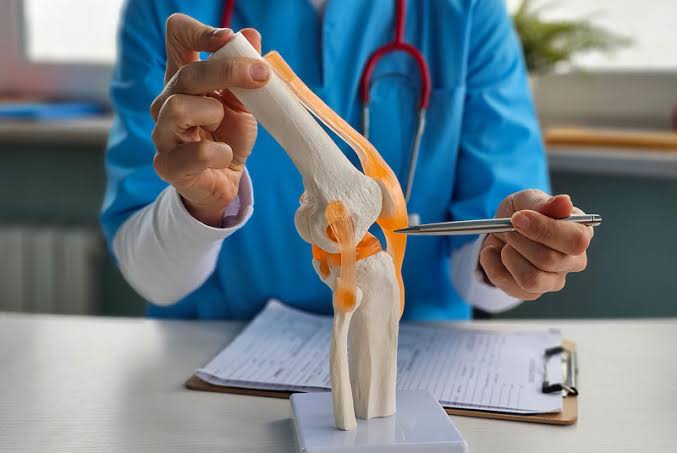
Expert Orthopaedic Care in Nagpur
Conditions Treated by an Orthopaedic Specialist
An Orthopaedic Specialist in Nagpur can help manage a wide range of musculoskeletal problems. These conditions can affect people of different ages and activity levels.
Common conditions include:
- Knee pain and arthritis
- Hip pain and hip arthritis
- Shoulder pain
- Back and neck pain
- Sports injuries
- Ligament injuries
- Tendon injuries
- Bone fractures
- Joint dislocations
- Osteoarthritis
- Meniscus injuries
- ACL injuries
- Rotator cuff problems
- Ankle and foot injuries
- Joint stiffness
- Muscle and movement problems
Moreover, early evaluation can help identify the cause of symptoms and prevent unnecessary delays in treatment.
In addition, these symptoms can slowly affect routine work and daily comfort. As a result, ignoring them may increase joint pressure or muscle strain over time. At Asian Institute of Advanced Surgeries, patients learn how early diagnosis and treatment can help protect long-term movement and joint health.
Knee Pain Treatmen
Knee pain can develop because of arthritis, injuries, overuse, muscle weakness, or other joint problems. Therefore, an orthopaedic specialist first checks your symptoms and movement before recommending treatment.
Treatment may include exercise, physiotherapy, medicines, lifestyle changes, injections, or surgery when necessary. Moreover, your treatment plan should match the cause and severity of your knee problem.
Hip Pain and Hip Problems
Hip pain can make walking, climbing stairs, sitting, and other daily activities difficult. In addition, hip problems can develop because of arthritis, injuries, age-related changes, or other conditions.
An orthopaedic specialist can examine your hip and recommend suitable care. Therefore, early treatment may help reduce discomfort and support better movement.
Treatment for Sports Injuries
Orthopaedic Specialist In Nagpur
Sports injuries can affect the knee, ankle, shoulder, elbow, or other parts of the body. Moreover, injuries such as ligament tears, muscle strains, fractures, and dislocations may need specialist care.
An orthopaedic specialist can assess the injury and create a recovery plan. In addition, physiotherapy and guided exercises can help improve strength, flexibility, and movement during recovery.
Fracture and Trauma Care
Fractures can happen after falls, accidents, sports injuries, or direct impact. Therefore, you should seek medical attention after a serious injury, especially when you notice severe pain, swelling, deformity, or difficulty moving.
An orthopaedic specialist can examine the injury and recommend suitable treatment. Moreover, treatment may involve a cast, brace, reduction procedure, or surgery depending on the fracture.
Arthritis Management
Arthritis can cause pain, stiffness, swelling, and reduced movement. However, the right treatment can help many people manage their symptoms and remain active.
An orthopaedic specialist can assess the affected joint and recommend a suitable treatment plan. In addition, regular exercise, healthy weight management, and physiotherapy can support joint health.
When Should You See an Orthopaedic Specialist?
Orthopaedic Specialist In Nagpur
You should consider an orthopaedic consultation when pain continues or starts affecting your normal activities. Moreover, you should seek care if you notice:
- Persistent joint pain
- Joint swelling
- Stiffness
- Difficulty walking
- Limited movement
- Repeated injuries
- Severe back pain
- Sports-related injuries
- Bone or joint deformity
- Pain after an accident
Therefore, early evaluation can help identify the problem and guide appropriate treatment.
What Happens During an Orthopaedic Consultation?
Orthopaedic Specialist In Nagpur
Non-Surgical Orthopaedic Treatment
Orthopaedic Specialist In Nagpur
Many orthopaedic problems do not require surgery. Therefore, doctors may first recommend non-surgical options when they can provide suitable results.
These options may include:
- Physiotherapy
- Exercise programs
- Medicines
- Lifestyle changes
- Weight management
- Braces or supports
- Activity modification
- Joint injections when appropriate
Moreover, your specialist can monitor your progress and change the treatment plan when necessary.
Orthopaedic Surgery
Some severe injuries and advanced joint problems may require surgery. However, doctors usually consider the severity of the condition, symptoms, overall health, and response to other treatments before recommending an operation.
Depending on the condition, an orthopaedic specialist may perform procedures such as arthroscopy, fracture surgery, ligament repair, or joint replacement. Therefore, a proper evaluation remains important before choosing surgery.
Joint Replacement Surgery
Severe damage to the knee or hip can affect walking and daily activities. Moreover, when other treatments no longer provide enough relief, a doctor may consider joint replacement surgery.
Knee and hip replacement procedures aim to reduce pain and improve joint function. However, the doctor should evaluate your condition carefully before recommending the procedure.
Arthroscopic Surgery
Arthroscopy uses a small camera and specialised instruments to examine and treat problems inside a joint. In addition, surgeons can use this technique for certain knee, shoulder, and other joint conditions.
Why Choose an Orthopaedic Specialist in Nagpur?
Choosing the right specialist can help you receive proper evaluation and personalised care. Moreover, an experienced Orthopaedic Specialist in Nagpur can explain your condition in simple terms and discuss suitable treatment options.
You should consider the doctor’s qualifications, experience, treatment expertise, communication style, and patient care approach. In addition, choose a specialist who takes time to understand your concerns and answers your questions clearly.