Asian Institute Of Advanced Surgeries


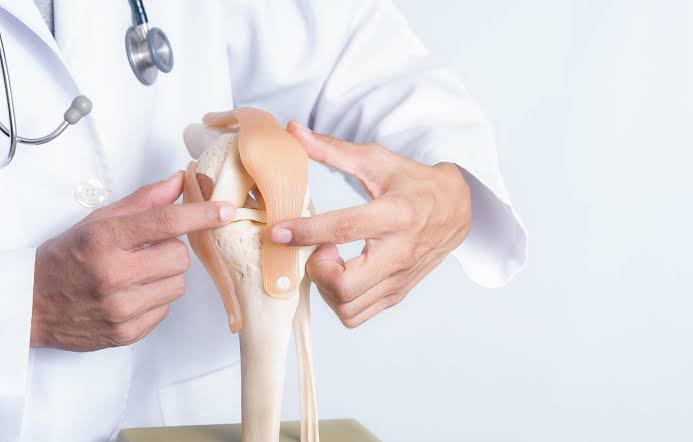
Orthopaedic Care in Nagpur
Conditions Treated by an Orthopedic Doctor | Best orthopaedic doctor In Nagpur
An orthopaedic specialist can manage many conditions that affect your bones, joints, muscles, ligaments, and tendons. Moreover, early treatment can help you return to normal activities and reduce the risk of further problems.
Knee Pain
Knee pain can develop due to arthritis, injuries, overuse, ligament problems, or age-related changes. Therefore, an orthopaedic doctor first identifies the cause before recommending treatment.
Treatment may include exercise, physiotherapy, medicines, lifestyle changes, injections, or surgery when necessary. Moreover, your doctor can guide you on ways to protect your knees during daily activities.
Hip Pain
Hip pain can make walking, climbing stairs, or sitting difficult. However, the pain may come from arthritis, injuries, muscle problems, or other joint conditions.
Therefore, an orthopaedic evaluation can help identify the cause. In addition, your doctor can suggest suitable treatment to reduce pain and improve hip movement.
Shoulder Pain
Shoulder pain can affect lifting, reaching, dressing, and sleeping. Moreover, problems such as frozen shoulder, arthritis, rotator cuff injuries, and dislocations can cause shoulder pain.
Advanced Treatment in Nagpur | Best orthopaedic doctor In Nagpur
Non-Surgical Orthopaedic Treatment
Many orthopaedic problems improve without surgery. Moreover, your doctor may recommend physiotherapy, medicines, exercise, lifestyle changes, braces, or other treatments.
In addition, non-surgical care can help improve strength and movement. As a result, many patients can manage their symptoms while continuing their daily activities.
Joint Replacement Surgery
Severe joint damage can cause constant pain and difficulty with movement. Therefore, some patients may need joint replacement surgery when other treatments no longer provide enough relief.
Arthroscopic Surgery
Arthroscopy uses a small camera and specialised instruments to examine and treat problems inside a joint. Therefore, doctors can use this approach for selected knee, shoulder, and other joint conditions.
Fracture Treatment
Fractures can occur after falls, accidents, sports injuries, or other trauma. However, each fracture needs individual evaluation.
Therefore, an orthopaedic doctor checks the injury and may recommend an X-ray or other imaging. Treatment can include a cast, brace, procedure, or surgery depending on the fracture.
When Should You See an Orthopaedic Specialist in Nagpur?
You should consider an orthopaedic consultation when pain continues or affects your daily activities. Moreover, certain symptoms need timely medical attention.
You should consult an orthopaedic doctor if you experience:
- Ongoing knee or joint pain
- Joint swelling or stiffness
- Difficulty walking
- Limited joint movement
- Repeated sports injuries
- Back or neck pain
- Bone fractures
- Shoulder pain
- Hip pain
- Joint instability
- Muscle or ligament injuries
- Pain after an accident
Therefore, early evaluation can help identify the cause of your symptoms. In addition, timely care can help you maintain better movement and joint health.
What Happens During Consultation?
During your visit, the doctor first discusses your symptoms and daily activities. Moreover, the doctor checks your joint movement, strength, flexibility, and physical condition.
The doctor may also review your previous medical reports and treatment history. Therefore, bring your previous X-rays, MRI reports, prescriptions, or other relevant records when you visit.
In addition, your doctor may recommend imaging tests when needed. As a result, the doctor can better understand your condition and create a suitable treatment plan.
How to Choose the Best Orthopaedic Doctor in Nagpur?
Choosing an orthopaedic doctor requires more than searching for a name online. Therefore, consider the doctor’s qualifications, experience, treatment expertise, and approach toward patients.
Moreover, look for a specialist who explains your condition in simple language. In addition, choose a doctor who discusses different treatment options and answers your questions clearly.
Patient reviews can also help you understand the overall experience. However, do not choose a doctor only because of online ratings. Therefore, consider qualifications, experience, and your specific treatment needs together.
Benefits of Timely Orthopaedic Care
Joint problems can affect your quality of life when you ignore them. However, early care can help you understand the problem and take suitable steps.
Moreover, timely treatment can help reduce discomfort and improve movement. In addition, proper exercises and lifestyle changes can support long-term joint health.
As a result, regular attention to your bones and joints can help you stay active and independent.
Book a Consultation
Frequently Asked Questions (FAQ)
1. Who is the best doctor in Nagpur?
2. When should I visit an orthopaedic doctor in Nagpur?
3. What conditions does an orthopaedic doctor treat?
4. Can an orthopaedic doctor treat knee pain?
Yes, an orthopaedic doctor can check the cause of knee pain and suggest suitable treatment. Moreover, treatment may include exercise, medicines, physiotherapy, injections, or surgery when needed.