Asian Institute Of Advanced Surgeries

Keloid Treatment In Nagpur
Welcome to the world of aesthetic transformation led by Dr. Siddharth Mendiratta. With a profound passion for the art and science of plastic surgery, Dr Siddharth Mendiratta is dedicated to helping individuals achieve their unique vision of beauty and confidence.
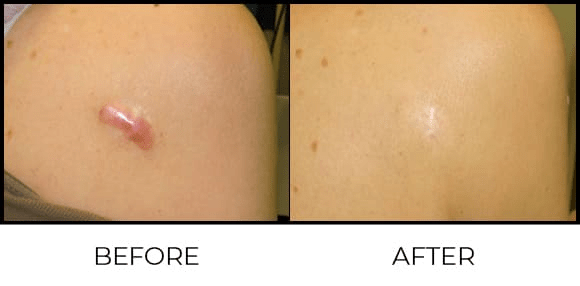
Keloid Treatment In Nagpur at Asian Institute of Advanced Surgeries (AIAS) focuses on managing raised scars that grow beyond the original wound and may remain noticeable, firm, itchy, or uncomfortable. Keloids can develop after surgery, injuries, burns, piercings, or even minor skin damage. Since they can behave differently from ordinary scars, treatment needs careful assessment rather than a one-size-fits-all approach. Dr. Siddharth Mendiratta examines the keloid, surrounding skin, location, size, previous treatments, and symptoms before discussing suitable options. Depending on the individual case, management may involve scar-focused treatment or surgical removal with additional measures to reduce the chance of recurrence. During consultation, he also discusses realistic expectations, possible risks, and follow-up requirements. The aim is to create a treatment plan that addresses your specific keloid while considering the condition of the surrounding tissue.
Understanding Keloids With Dr.Siddharth Mendiratta
A keloid is a type of raised scar that extends beyond the boundaries of the original injury. Unlike a typical scar that generally stays within the wound area, a keloid can continue to grow over time. It may appear firm, thick, shiny, or darker than the surrounding skin. Keloids can occur after different types of skin injuries, including surgical cuts, burns, acne, piercings, or accidental wounds. Some may cause itching, tenderness, or discomfort, while others mainly create an appearance-related concern. Dr. Siddharth Mendiratta evaluates the individual characteristics of the keloid before recommending an appropriate treatment approach.
What Can Cause Keloids?
Keloids develop because the body produces excess scar tissue during the healing process. The exact reason some people develop keloids while others form more typical scars is not always clear. The location and type of skin injury can also influence their development.
Common triggers may include:
🔹 Surgical incisions
🔹 Accidental injuries
🔹 Burns
🔹 Skin piercings
🔹 Acne or inflammatory skin lesions
🔹 Minor cuts or wounds
🔹 Other forms of skin trauma
A keloid can sometimes develop after a relatively small injury. Therefore, an assessment of the scar’s history and appearance can help guide treatment planning.
Keloid Treatment Options In Nagpur
Treatment depends on the size, location, symptoms, previous treatment, and behavior of the keloid. Dr. Siddharth Mendiratta reviews these factors before recommending an appropriate approach.
Management may involve:
🔹 Scar-focused non-surgical treatment
🔹 Surgical removal in selected cases
🔹 Combination approaches
🔹 Follow-up care to monitor healing
🔹 Measures intended to reduce recurrence risk
Not every keloid requires the same treatment. A personalized plan can help address the specific characteristics of your scar.
Keloid Removal Surgery In Nagpur
For selected patients, surgical removal may be considered when a keloid is large, persistent, uncomfortable, or significantly affects appearance. During the procedure, the raised scar tissue is removed and the area is carefully managed according to its location and surrounding tissue.
However, keloids have a tendency to return after treatment. Therefore, removing the visible tissue alone may not always be enough. Dr. Siddharth Mendiratta discusses the possibility of recurrence and may consider additional measures as part of the overall treatment plan.
Why Can Keloids Come Back?
Keloids can recur because the skin may again produce excessive scar tissue during healing. This is an important consideration when planning treatment. Recurrence does not necessarily mean that the original treatment was unsuccessful; rather, keloid formation can be influenced by the body’s individual healing response.
For this reason, Dr. Siddharth Mendiratta considers your previous history, location of the keloid, and response to earlier treatments before recommending the next step. Follow-up care can also help monitor changes in the treated area.
Keloid Assessment At AIAS For Keloid Treatment In Nagpur
At Asian Institute of Advanced Surgeries (AIAS), the evaluation begins with understanding how and when the keloid developed. Dr. Siddharth Mendiratta examines its size, shape, texture, location, and relationship with the surrounding skin.
He may also ask about previous scar treatments and whether you experience itching, tenderness, pain, or changes in the keloid. This information helps establish a clearer picture of the condition. Based on the assessment, suitable treatment options can be discussed along with realistic expectations and possible limitations.
Keloid Treatment After Surgery Or Injury
Keloids can develop after both planned procedures and accidental injuries. A surgical scar that becomes raised and continues growing may require assessment to determine whether it represents a keloid or another type of scar.
Similarly, wounds caused by accidents or burns can heal with excessive scar tissue in some individuals. Dr. Siddharth Mendiratta considers the original injury, current scar characteristics, and surrounding tissue before planning treatment. This approach helps distinguish the specific scar concern and select an appropriate management strategy.
Keloids On Different Body Areas For Keloid Treatment In Nagpur
Keloids can occur on several parts of the body, although some areas are more prone to developing prominent raised scars. The chest, shoulders, upper back, neck, ears, and other areas can be affected.
The location matters because skin tension, movement, and tissue characteristics can influence treatment and healing. Dr. Siddharth Mendiratta considers these factors when assessing a keloid. Treatment planning therefore focuses not only on the appearance of the scar but also on its location and surrounding skin.
When Should You Consider Keloid Treatment?
Treatment may be considered when a keloid continues to grow, causes itching or discomfort, or becomes a significant appearance-related concern. Some patients may also seek evaluation when an existing keloid changes in size, texture, or symptoms.
A consultation can help determine whether treatment is appropriate. Dr. Siddharth Mendiratta evaluates the scar and discusses the available options based on your individual condition. Since keloids can recur, understanding the possible benefits and limitations before treatment is an important part of the decision-making process.
Recovery And Follow-Up For Keloid Treatment In Nagpur
Recovery depends on the treatment performed and the size and location of the keloid. After treatment, you may receive instructions about wound care, dressing changes, activity, and follow-up visits.
Keeping the treated area protected during healing is important. You should follow the specific instructions provided by Dr. Siddharth Mendiratta and report unexpected changes such as increasing pain, swelling, redness, or discharge. Follow-up appointments allow the treated area to be monitored and help identify any changes that may require further attention.
Why Choose AIAS For Keloid Treatment?
At Asian Institute of Advanced Surgeries (AIAS), keloid care is planned around the individual characteristics of your scar. Dr. Siddharth Mendiratta evaluates the keloid, surrounding tissue, previous treatment history, symptoms, and personal concerns before recommending an approach.
🔹 Individualized scar assessment
🔹 Treatment based on keloid characteristics
🔹 Consideration of appearance and comfort
🔹 Careful evaluation of surrounding tissue
🔹 Discussion of recurrence possibilities
🔹 Clear guidance about recovery and follow-up
This approach helps you understand your treatment options and make an informed decision about managing your keloid.
Conclusion For Keloid Treatment In Nagpur
Keloid Treatment In Nagpur requires careful assessment because these raised scars can behave differently from ordinary scars. Their size, location, symptoms, previous treatment, and tendency to recur can all influence the treatment plan.
At Asian Institute of Advanced Surgeries (AIAS), Dr. Siddharth Mendiratta evaluates each keloid individually before discussing suitable treatment options. Whether the concern is related to appearance, itching, discomfort, or continued growth, the treatment plan is based on your specific condition. A detailed consultation can help you understand what treatment may involve, what improvement may be realistic, and how follow-up care can support the healing process.
Frequently Asked Questions (FAQ) For Keloid Treatment In Nagpur
1. What is Keloid Treatment In Nagpur?
Keloid Treatment In Nagpur focuses on reducing the size, thickness, appearance, or discomfort associated with raised keloid scars.
2. What causes keloids?
Keloids may develop after surgery, burns, cuts, acne, piercings, or other skin injuries.
3. Can keloids be completely removed?
Treatment may make a keloid smaller or less noticeable, but complete removal cannot always be guaranteed.
4. What treatments are available for keloids?
Depending on the scar, treatment may involve non-surgical care, injections, scar revision, surgery, or a combination of suitable approaches.
5. Is surgery suitable for every keloid?
No. Surgery may not be appropriate for every patient because keloids can recur after removal.