Asian Institute Of Advanced Surgeries

Advanced Wound healing In Nagpur
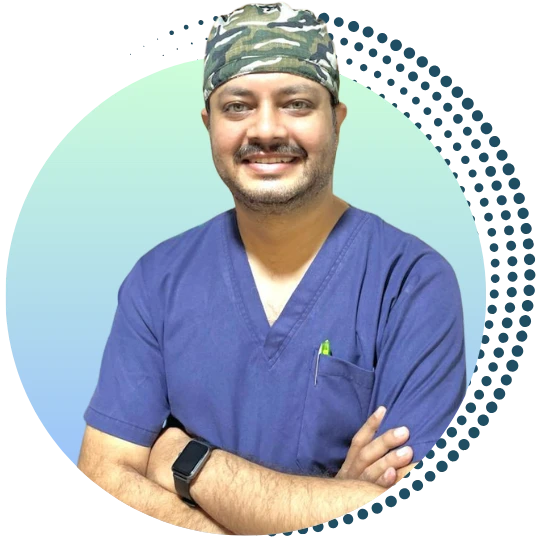
Welcome to the world of aesthetic transformation led by Dr. Siddharth Mendiratta. With a profound passion for the art and science of plastic surgery, Dr Siddharth Mendiratta is dedicated to helping individuals achieve their unique vision of beauty and confidence.
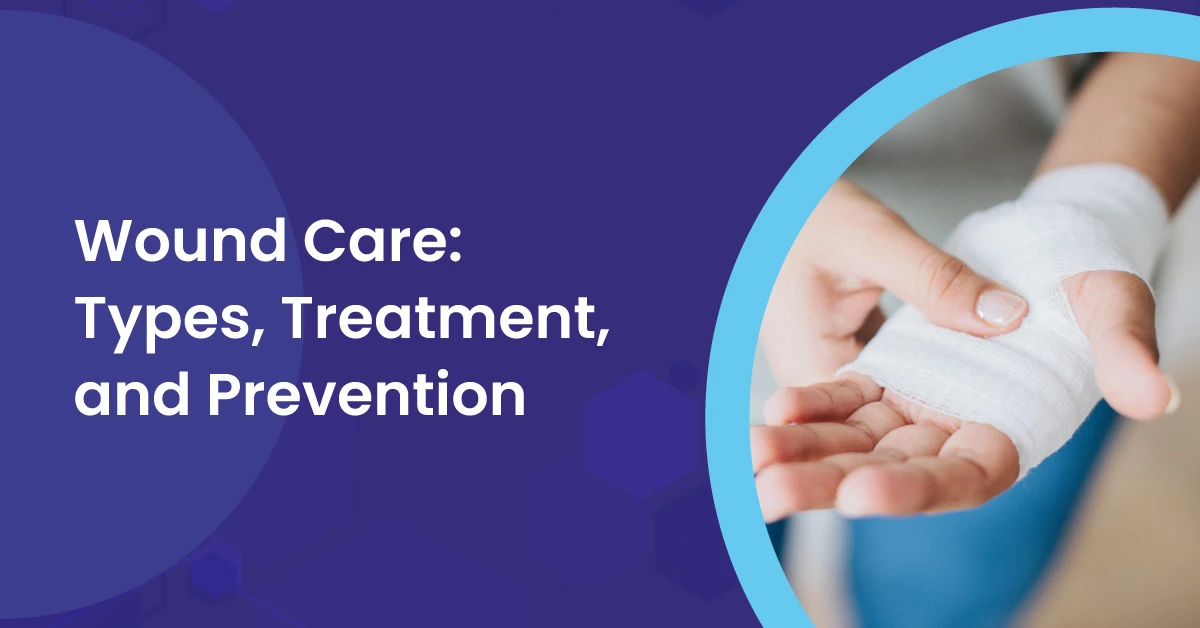
Advanced Wound Healing In Nagpur at Asian Institute of Advanced Surgeries (AIAS) offers personalized care for wounds that heal slowly, become infected, reopen, or cause significant tissue damage. Injuries, burns, surgeries, infections, diabetes, and other conditions can affect normal healing. Therefore, timely evaluation can help prevent further tissue damage and support better recovery. Dr. Siddharth Mendiratta evaluates each wound carefully and considers its size, depth, location, tissue condition, and healing factors before suggesting treatment. Depending on the wound, treatment may include wound cleaning, removal of unhealthy tissue, specialized dressings, skin grafting, flap surgery, or other reconstructive procedures. The team focuses on treating the wound while also protecting healthy surrounding tissue and supporting the patient’s comfort and recovery.
What Is Advanced Wound Healing?
The body normally repairs damaged skin and tissue through a natural healing process. However, some wounds need additional medical care because they do not heal as expected. For example, a deep injury may damage skin, muscle, blood vessels, or other tissues. Similarly, diabetes, infection, poor circulation, or repeated pressure can slow healing.
Advanced wound healing involves a careful assessment of the wound and the factors that affect recovery. First, the specialist examines the wound and surrounding tissue. Then, the doctor identifies the most suitable treatment approach. As a result, patients receive care based on their specific wound rather than a standard treatment plan.
When Do You Need Advanced Wound Care?
Not every wound needs advanced treatment. However, you should consider specialist care when a wound does not improve as expected or continues to cause discomfort or other concerns.
Advanced wound care may help with:
• Large or deep wounds
• Slow-healing wounds
• Diabetic foot wounds
• Burn-related wounds
• Surgical wounds
• Traumatic injuries
• Infected wounds
• Wounds with tissue loss
• Recurrent or reopened wounds
• Complex soft-tissue injuries
If a wound continues to worsen, timely medical evaluation can help identify the underlying cause and guide the right treatment.
Comprehensive Wound Evaluation For Advanced Wound Healing In Nagpur
Dr. Siddharth Mendiratta starts wound treatment with a detailed assessment. First, he examines the wound and checks the surrounding skin and tissue. He also considers the wound’s depth, size, location, appearance, and signs of infection.
Next, he reviews factors that may affect healing. These factors can include previous treatment, medical history, blood circulation, nutritional status, and other relevant concerns. This evaluation helps the doctor understand the wound more clearly.
After the assessment, Dr. Siddharth Mendiratta explains the available treatment options. He then recommends an approach according to the wound and the patient’s individual needs.
Treatment for Slow-Healing Wounds For Advanced Wound Healing In Nagpur
Some wounds need regular care because they take longer than expected to heal. In these situations, doctors first look for factors that may delay recovery. Infection, unhealthy tissue, poor blood supply, repeated pressure, and certain medical conditions can affect the healing process.
The treatment plan may include wound cleaning, suitable dressings, infection management, and removal of unhealthy tissue when necessary. In addition, the doctor may recommend reconstructive treatment when the wound has caused significant tissue loss.
Therefore, advanced wound care does not simply focus on covering the wound. Instead, it addresses the condition of the wound and supports the healing process from different angles.
Wound Debridement For Advanced Wound Healing In Nagpur
Some wounds contain dead, damaged, or unhealthy tissue. This tissue can interfere with normal healing. In such cases, Dr. Siddharth Mendiratta may recommend wound debridement when appropriate.
During debridement, the surgeon removes unhealthy tissue from the wound. This process can create a healthier wound surface and may prepare the area for further treatment.
However, the doctor does not perform debridement in every case. He first examines the wound and determines whether the procedure will benefit the patient.
Skin Grafting for Wound Coverage For Advanced Wound Healing In Nagpur
Some wounds leave areas where the skin cannot close naturally. In these situations, a skin graft may provide suitable coverage.
During skin grafting, the surgeon places healthy skin over the affected area. The graft can help cover the wound and protect the underlying tissue. However, the doctor first checks the wound condition and surrounding tissue before recommending this procedure.
Because every wound differs, Dr. Siddharth Mendiratta selects the appropriate technique according to the size, location, depth, and condition of the wound.
Flap Reconstruction for Complex Wounds
Some wounds involve deeper tissue loss and require more than simple skin coverage. In selected cases, flap reconstruction can help restore the missing tissue.
A flap uses tissue from another area while maintaining its blood supply or reconnecting its blood vessels, depending on the technique. This approach can provide stronger tissue coverage for certain complex wounds.
Dr. Siddharth Mendiratta evaluates the wound carefully before recommending flap reconstruction. He considers the location of the wound, tissue loss, available healthy tissue, and the patient’s overall condition.
Advanced Wound Healing for Diabetic Wounds
Diabetes can make wound healing more difficult. High blood sugar, reduced sensation, circulation problems, and repeated pressure can increase the risk of foot wounds and delayed healing.
Therefore, diabetic wounds need careful assessment. Patients should not ignore a small wound simply because it causes little pain. Reduced sensation can sometimes hide the severity of a foot injury.
At AIAS, Dr. Siddharth Mendiratta evaluates suitable complex wounds and develops a treatment plan according to the wound condition. When necessary, reconstructive procedures can help provide coverage for selected areas with significant tissue loss.
Burn Wound Management For Advanced Wound Healing In Nagpur
Burns can damage the skin and deeper tissues. Severe burns may also leave areas that need specialized wound care or reconstruction.
The treatment depends on the depth and extent of the burn. Some wounds may heal with appropriate wound care, while others may require procedures such as skin grafting or reconstructive surgery.
Therefore, Dr. Siddharth Mendiratta evaluates the affected area before selecting a treatment approach. He also considers the stage of healing and the condition of the surrounding tissue.
Personalized Wound Treatment at AIAS
Every wound has different characteristics. Therefore, AIAS does not follow one treatment method for every patient.
Dr. Siddharth Mendiratta examines the wound and explains the available options before starting treatment. He considers the patient’s condition, wound characteristics, healing factors, and treatment goals.
As healing progresses, the doctor can also reassess the wound and adjust the treatment plan when necessary. This approach helps provide care that matches the patient’s changing needs.
Wound Care After Trauma For Advanced Wound Healing In Nagpur
Accidents and other injuries can cause extensive damage to the skin and soft tissues. In some cases, the injury may expose deeper structures or remove a significant amount of tissue.
Such wounds may need more advanced treatment than routine dressing. The doctor may first clean the wound and remove damaged tissue. Afterward, he may consider skin grafting, flap reconstruction, or another suitable procedure.
At AIAS, the treatment plan focuses on restoring healthy tissue coverage while considering the location and severity of the injury.
Why Choose Advanced Wound Healing In Nagpur?
Choosing the right wound care can make a meaningful difference when a wound becomes difficult to manage. A specialist can assess the wound, identify factors that may slow healing, and recommend suitable treatment based on your condition.
At Asian Institute of Advanced Surgeries (AIAS), Dr. Siddharth Mendiratta provides personalized plastic and reconstructive care for selected wound conditions. He carefully evaluates each wound and develops a treatment plan according to its size, depth, location, and tissue condition. He also provides appropriate follow-up to support the healing process.
Most importantly, the team focuses on both wound healing and tissue restoration. When a wound causes significant tissue loss, reconstructive treatment may help restore adequate tissue coverage and support better function.
Frequently Asked Questions (FAQ) For Advanced Wound Healing In Nagpur
1. What is Advanced Wound Healing?
It is a structured approach to managing wounds that heal slowly or require specialized treatment.
2. Which wounds may need advanced wound care?
Diabetic ulcers, chronic wounds, infected wounds, burns, traumatic wounds, pressure injuries, and wounds with tissue loss may require advanced care.
3. Can diabetic wounds be treated with advanced wound care?
4. Does every chronic wound need surgery?
No. Some wounds can improve with appropriate wound care. Surgery is considered when the wound requires tissue removal, coverage, or reconstruction.
5. What is wound debridement?
Debridement removes dead, damaged, or unhealthy tissue when necessary to prepare the wound for further treatment.