Asian Institute Of Advanced Surgeries

Foot Reconstruction Surgery In Nagpur
Welcome to the world of aesthetic transformation led by Dr. Siddharth Mendiratta. With a profound passion for the art and science of plastic surgery, Dr Siddharth Mendiratta is dedicated to helping individuals achieve their unique vision of beauty and confidence.
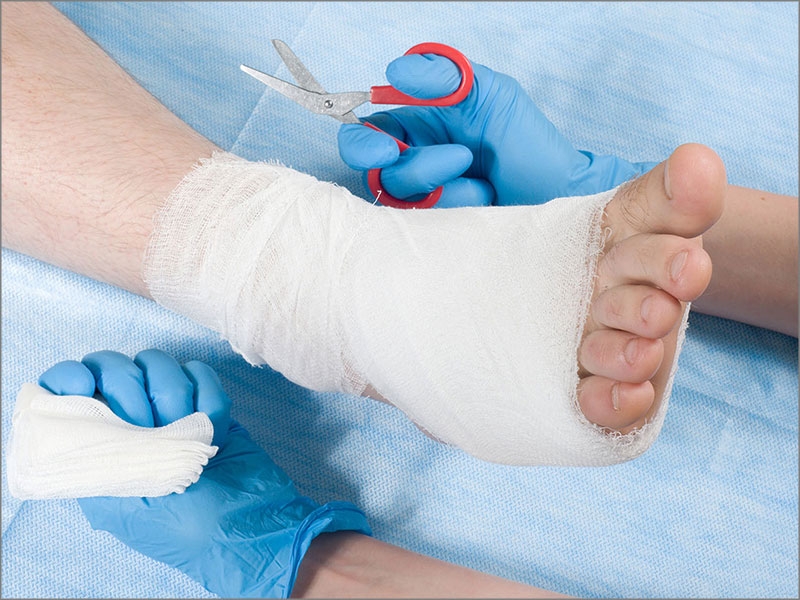
Foot Reconstruction Surgery In Nagpur at Asian Institute of Advanced Surgeries (AIAS) provides personalized surgical care for complex foot problems that affect the skin, soft tissue, bones, tendons, or overall foot function. Severe injuries, diabetic wounds, burns, infections, tissue loss, and previous surgeries can sometimes leave the foot with difficult structural or functional problems. At AIAS, Dr. Siddharth Mendiratta carefully examines the foot before recommending reconstruction. He considers the cause of the problem, wound or tissue damage, foot structure, available healthy tissue, previous treatment, and overall health. Depending on the condition, treatment may involve wound reconstruction, skin grafting, flap coverage, scar correction, or other suitable reconstructive procedures.
The aim is to protect healthy tissue, cover damaged areas, and support useful foot function whenever possible. Since every foot problem is different, Dr. Siddharth Mendiratta develops the treatment plan according to your specific condition and needs.
Rebuilding Damaged Foot Tissue With Personalized Surgical Care
What Is Foot Reconstruction Surgery?
Foot reconstruction surgery involves repairing or rebuilding damaged tissues of the foot. The procedure may address problems involving the skin, soft tissue, tendons, or other structures.
For example, a severe injury may leave a large wound with exposed tissue. Similarly, a diabetic foot ulcer may cause significant tissue loss. Burns, infections, or previous surgeries can also create difficult wounds.
Therefore, reconstruction is not one single procedure. The approach depends on the type and extent of damage.
At Asian Institute of Advanced Surgeries (AIAS), Dr. Siddharth Mendiratta assesses the affected area and recommends an appropriate reconstructive option.
When Is Foot Reconstruction Considered?
Doctors may consider Foot Reconstruction Treatment In Nagpur when a foot has significant tissue damage or a structural problem that needs specialized treatment.
Reconstruction may be considered for:
• Severe Foot Injuries: Accidents can damage skin and deeper tissues.
• Diabetic Foot Wounds: Persistent ulcers may cause tissue loss.
• Burn Injuries: Burns can damage skin and soft tissue.
• Complex Infections: Severe infections may leave difficult wounds.
• Tissue Loss: Large wounds may require additional tissue coverage.
• Non-Healing Wounds: Persistent wounds may need reconstructive care.
• Previous Surgery: Earlier procedures can sometimes leave complex defects.
• Scarring: Significant scars may affect appearance or movement.
However, reconstruction may not suit every condition. A detailed assessment helps determine the most appropriate treatment.
Foot Reconstruction Assessment
Before surgery, Dr. Siddharth Mendiratta performs a detailed assessment of the foot.
He may consider:
• Wound Size: Determines the extent of tissue loss.
• Wound Depth: Shows which tissue layers are affected.
• Tissue Quality: Helps identify healthy tissue available for reconstruction.
• Circulation: Provides information about blood supply.
• Infection: Helps determine whether infection needs treatment first.
• Foot Structure: Identifies changes that may affect function.
• Movement: Assesses available foot and ankle movement.
• Sensation: Checks for reduced feeling when relevant.
• Previous Treatment: Reviews earlier surgeries or wound care.
• Overall Health: Considers factors that may affect healing.
This assessment helps Dr. Siddharth Mendiratta choose a suitable reconstructive approach.
Cost Of Foot Reconstruction Surgery In Nagpur
The cost of Foot Reconstruction Surgery In Nagpur varies according to the complexity of your condition and the procedure required.
Several factors can affect the overall cost:
• Type Of Surgery: Different reconstructive procedures have different costs.
• Wound Size: Larger wounds may require more extensive treatment.
• Tissue Loss: Significant tissue loss can require complex reconstruction.
• Number Of Stages: Some wounds need staged treatment.
• Infection: Infection may require additional treatment.
• Hospital Care: The required level of care can affect the overall cost.
• Follow-Up: Complex reconstruction may require regular monitoring.
During your consultation, Dr. Siddharth Mendiratta can assess your condition and explain the recommended treatment plan. The expected cost can then be discussed according to your individual requirements.
Foot Reconstruction Procedures
Depending on your condition, foot reconstruction may involve one procedure or several planned stages.
• Wound Debridement: Removes dead or damaged tissue to prepare the wound for further treatment.
• Skin Grafting: Uses suitable skin to cover selected wounds when the wound bed is ready.
• Flap Reconstruction: Uses healthy tissue to cover deeper or more complex defects.
• Scar Revision: May improve selected scars that affect foot movement or appearance.
• Staged Reconstruction: Treats complex wounds in planned steps before final reconstruction.
What Happens During Foot Reconstruction Surgery?
The procedure depends on the type of reconstruction you need.First, Dr. Siddharth Mendiratta evaluates the affected area and confirms the surgical plan. During the procedure, he addresses damaged tissue and provides appropriate coverage or reconstruction.
Depending on your condition, surgery may involve:
• Removal of unhealthy tissue
• Wound preparation
• Skin grafting
• Flap reconstruction
• Tissue coverage
• Wound closure
• Other reconstructive techniques
After surgery, the treated area needs protection and proper follow-up.
Recovery After Foot Reconstruction Surgery
Recovery varies depending on the procedure and the condition of the foot. A small reconstruction may have different recovery needs than a complex flap procedure.
Your recovery can depend on:
• Type of reconstruction
• Size of the wound
• Tissue condition
• Overall health
• Healing response
• Presence of infection
• Weight-bearing requirements
Dr. Siddharth Mendiratta explains your recovery plan and advises you about wound care, activity, footwear, and follow-up.
What Care May Be Needed After Surgery?
Following your surgeon’s instructions can help protect the reconstructed area.
You may need:
• Regular dressing changes
• Wound monitoring
• Protection from pressure
• Activity restrictions
• Appropriate footwear
• Follow-up visits
• Gradual return to normal activity
The exact instructions depend on your procedure. Therefore, follow the individual advice provided by your surgical team.
Potential Benefits Of Foot Reconstruction
When appropriate, foot reconstruction may offer several potential benefits.
• Tissue Coverage: Helps cover selected open or exposed areas.
• Wound Closure: Can address certain complex wounds.
• Tissue Protection: Reconstruction may protect deeper structures.
• Functional Support: Treatment may support useful foot function.
• Limb Preservation: Suitable reconstruction may help preserve the affected limb.
• Scar Management: Selected procedures may improve problematic scars.
• Personalized Treatment: The approach can match your specific wound.
However, outcomes vary between patients. Wound severity, circulation, infection, tissue quality, and overall health can affect recovery.
Who May Need Foot Reconstruction Surgery?
You may require an evaluation if you have:
• A severe foot injury
• A large or deep foot wound
• A diabetic foot ulcer
• Significant tissue loss
• Exposed tendon or bone
• A non-healing wound
• A severe burn injury
• A complex infection
• A wound that repeatedly breaks down
• A scar affecting foot movement
Dr. Siddharth Mendiratta can examine the foot and determine whether reconstruction may be appropriate.
Why Choose AIAS For Foot Reconstruction?
At Asian Institute of Advanced Surgeries (AIAS), Dr. Siddharth Mendiratta takes an individualized approach to foot reconstruction.
He first understands the cause and extent of the problem. Then, he considers the available healthy tissue and the functional needs of the foot.
The Approach Includes:
• Detailed Assessment: He evaluates the wound and affected structures.
• Personalized Planning: He selects treatment according to your condition.
• Reconstructive Expertise: He considers suitable tissue coverage options.
• Functional Focus: He considers the role of the affected area in foot function.
• Realistic Expectations: He explains possible outcomes and limitations.
• Follow-Up Care: He provides guidance for recovery and wound care.
This approach helps you understand your treatment options before making a decision.
Frequently Asked Questions (FAQ)
1. What is Foot Reconstruction Surgery?
It is a surgical approach used to repair or rebuild damaged foot tissues after injuries, wounds, burns, infections, or tissue loss.
2. Who may need foot reconstruction?
People with severe injuries, diabetic wounds, non-healing wounds, tissue loss, burns, or exposed deeper structures may require an evaluation.
3. Does every foot wound need reconstruction?
No. Some wounds respond to wound care and non-surgical treatment. Reconstruction is considered when additional tissue coverage or repair is needed.
4. Can diabetic foot ulcers require reconstruction?
Yes. Complex diabetic wounds with significant tissue loss may require skin grafting, flap coverage, or staged reconstruction.
5. What is skin grafting?
Skin grafting uses suitable skin to cover a wound when the wound bed is appropriate for graft healing.