Asian Institute Of Advanced Surgeries

Diabetic Wound care In Nagpur

Welcome to the world of aesthetic transformation led by Dr. Siddharth Mendiratta. With a profound passion for the art and science of plastic surgery, Dr Siddharth Mendiratta is dedicated to helping individuals achieve their unique vision of beauty and confidence.
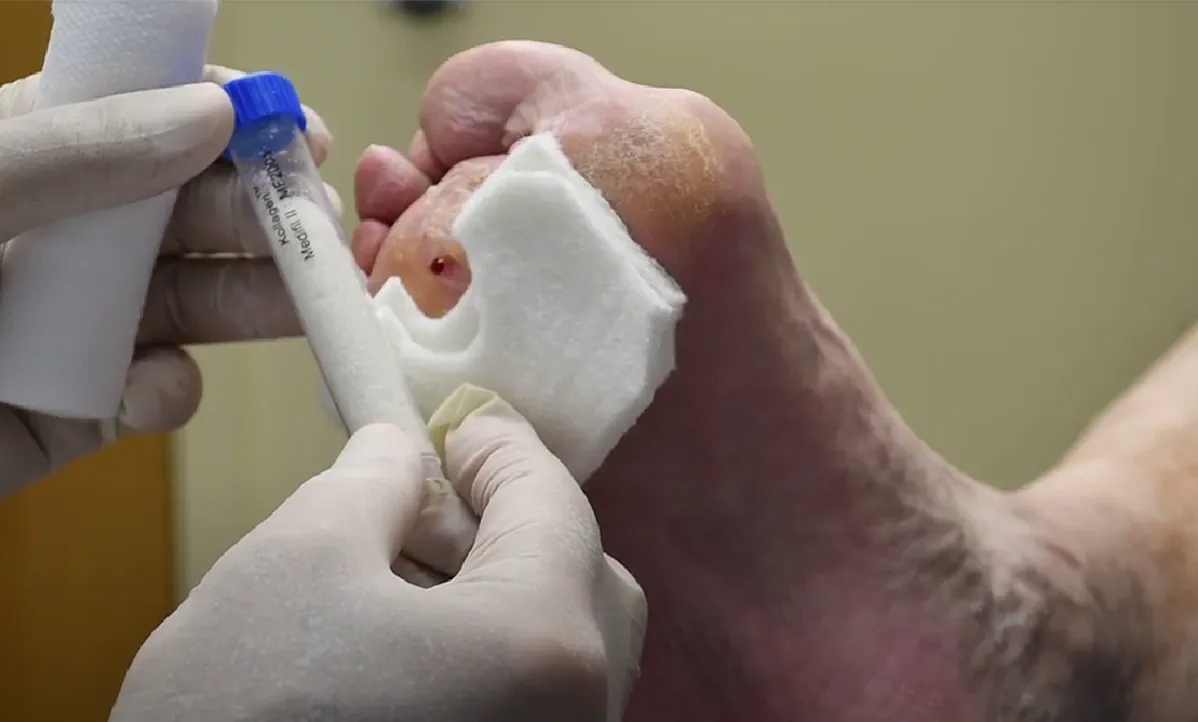
Diabetic Wound care In Nagpur at Asian Institute of Advanced Surgeries (AIAS) helps manage wounds that may heal slowly because of diabetes. A small cut, blister, pressure spot, or burn can become a persistent wound when sensation or blood circulation is reduced. Therefore, early medical attention can help prevent further complications. At AIAS, Dr. Siddharth Mendiratta examines the wound and identifies factors that may be affecting healing. He checks its size, depth, surrounding skin, circulation, sensation, and possible signs of infection. He also reviews your medical history and previous wound care. Depending on your condition, treatment may include wound cleaning, debridement, dressings, infection management, pressure relief, or reconstruction when needed. The main aim is to protect healthy tissue and support healing. Since every wound is different, Dr. Siddharth Mendiratta plans care according to your wound, overall health, and individual treatment needs.
What Is A Diabetic Wound?
A diabetic wound is a cut, sore, or open area that heals slowly in people with diabetes. These wounds often affect the feet because diabetes can reduce sensation and blood circulation.
For example, a tight shoe may cause a blister that you barely notice. Continued pressure can then turn it into an open wound.
Therefore, even a small foot injury needs attention. Early assessment can help prevent the wound from becoming more serious.
Why Do Diabetic Wounds Heal Slowly?
Diabetes can affect the nerves and blood vessels that support healthy feet. Reduced sensation may make cuts, blisters, or pressure areas harder to notice. Meanwhile, poor circulation can limit the oxygen and nutrients needed for tissue repair.
As a result, diabetic wounds may heal slowly. Infection, repeated pressure, unsuitable footwear, and other health conditions can further delay healing.
Therefore, Diabetic Wound Treatment In Nagpur should address more than the visible wound. Dr. Siddharth Mendiratta also looks for factors that may be affecting healing and plans care accordingly.
What Can Cause Diabetic Wounds?
Diabetic wounds can develop for several reasons. Often, more than one factor contributes.
• Small Cuts: Minor injuries may become persistent wounds.
• Blisters: Footwear friction can damage the skin.
• Pressure: Repeated pressure can injure vulnerable areas.
• Tight Footwear: Poor-fitting shoes can cause rubbing.
• Burns: Reduced sensation may hide foot burns.
• Reduced Sensation: Nerve changes can hide injuries.
• Poor Circulation: Reduced blood flow can slow healing.
• Foot Deformities: Changes in foot shape can create pressure points.
• Infection: Infection can worsen an existing wound.
• Previous Wounds: Damaged areas may break down again.
The cause is not always clear. A proper wound assessment can help identify factors affecting healing.
Common Types Of Diabetic Wound Care In Nagpur
1. Diabetic Foot Ulcers
Open sores often develop on pressure-prone areas.
• Common Areas: Toes, soles, and heels.
• Causes: Pressure, reduced sensation, or minor injuries.
2. Non-Healing Wounds
Some wounds heal slowly because of underlying problems.
• Possible Causes: Infection, poor circulation, or pressure.
• Care: Assessment can identify factors delaying healing.
3. Infected Wounds
An infection can make a diabetic wound worse.
• Signs: Redness, swelling, warmth, discharge, or pain.
4. Pressure-Related Wounds
Repeated pressure can damage vulnerable skin.
• Risk Factors: Tight footwear, foot deformities, and reduced sensation.
Diabetic Foot Ulcer Treatment - Diabetic Wound Care In Nagpur
Diabetic foot ulcers need careful attention because reduced sensation may allow them to worsen without much pain. Diabetic Foot Ulcer Treatment In Nagpur focuses on the wound and the factors affecting healing.
Treatment may include:
• Wound Cleaning
• Debridement
• Suitable Dressings
• Infection Management
• Pressure Relief
• Regular Monitoring
• Skin Grafting, When Suitable
• Flap Reconstruction For Complex Wounds
The treatment depends on the ulcer’s size, depth, location, tissue condition, and your overall health.
Debridement For Diabetic Wound Care In Nagpur
Infection For Diabetic Wound Care In Nagpur
An infection can slow diabetic wound healing and may cause the wound to worsen. Common warning signs include:
• Redness or Swelling
• Increased Warmth
• Pus or Discharge
• Worsening Pain
• Foul Odour
• Skin Colour Changes
• Fever or Feeling Unwell
If you notice these signs, seek medical attention promptly. Early treatment can help manage the infection and reduce the risk of further complications.
Reconstruction For Diabetic Wound Care In Nagpur
Some diabetic wounds can cause significant tissue loss and may expose deeper structures such as tendons or bones. In these cases, reconstructive treatment may help provide suitable tissue coverage after proper wound preparation.
Treatment may include:
• Skin Grafting: Uses healthy skin to cover suitable wounds.
• Flap Reconstruction: Uses nearby healthy tissue to cover deeper defects.
• Staged Reconstruction: Treats complex wounds in planned stages.
Dr. Siddharth Mendiratta selects the approach based on the wound condition, tissue loss, and available healthy tissue.
Skin Grafting For Diabetic Wounds For Diabetic Wound Care In Nagpur
• Skin grafts can effectively heal diabetic wounds when the wound bed is properly prepared.
• Key factors for success include controlling infection, healthy tissue, and good blood circulation.
• Dr. Siddharth Mendiratta in Nagpur carefully assesses these factors before proceeding.
• Proper cleaning, debridement, and infection control are essential for optimal results.
• His expert approach ensures higher success rates, faster healing, and improved quality of life for patients.
Benefits Of Professional Diabetic Wound Care
Appropriate wound care may help:
• Manage persistent wounds
• Identify factors affecting healing
• Remove unhealthy tissue when needed
• Control infection
• Reduce pressure
• Protect surrounding tissue
• Support wound healing
• Monitor changes
• Identify complications
However, healing varies from person to person. Your wound severity, circulation, infection, diabetes management, overall health, and response to treatment can all affect recovery.
Who May Need Diabetic Wound Care?
You may need Diabetic Wound Care In Nagpur if you have:
• A diabetic foot ulcer
• A persistent foot wound
• A wound that heals slowly
• A recurrent wound
• An infected wound
• Tissue damage
• A pressure-related wound
• A wound after an injury or burn
• Reduced foot sensation with an open wound
• A wound that has not improved with previous care
Dr. Siddharth Mendiratta can examine your wound and recommend the next appropriate step.
Why Choose AIAS For Diabetic Wound Care?
At Asian Institute of Advanced Surgeries (AIAS), Dr. Siddharth Mendiratta focuses on understanding the wound before recommending treatment.
He considers the wound itself as well as the factors that may be affecting healing.
The Approach Includes:
• Detailed Assessment: He examines the wound and surrounding tissue.
• Personalized Planning: He selects treatment according to your condition.
• Wound-Focused Care: He addresses factors that may delay healing.
• Suitable Treatment: He considers both non-surgical and surgical options.
• Follow-Up: He monitors healing and adjusts care when needed.
• Clear Guidance: He explains wound care and aftercare in simple terms.
This approach helps you understand your condition and make informed decisions about treatment.
Frequently Asked Questions (FAQ) For Diabetic Wound Care In Nagpur
1. What is Diabetic Wound Care?
Diabetic wound care involves assessing and treating wounds that develop in people with diabetes. Treatment may include wound cleaning, dressings, debridement, infection management, pressure relief, or reconstruction.
2. Why do diabetic wounds heal slowly?
Diabetes can affect nerve sensation and blood circulation. These changes can make injuries harder to notice and may slow tissue healing.
3. Can a small diabetic wound become serious?
Yes. Infection, pressure, poor circulation, and reduced sensation can cause a small wound to worsen. Persistent wounds should be medically assessed.
4. What are the signs of an infected diabetic wound?
Redness, swelling, warmth, discharge, increasing pain, foul odour, and skin changes may indicate infection. Fever or feeling unwell also requires prompt medical attention.
5. Does every diabetic wound need surgery?
No. Many wounds can improve with appropriate wound care. Surgery may be considered when a wound is complex or needs tissue reconstruction.