Asian Institute Of Advanced Surgeries

Limb Salvage Surgery In Nagpur
Welcome to the world of aesthetic transformation led by Dr. Siddharth Mendiratta. With a profound passion for the art and science of plastic surgery, Dr Siddharth Mendiratta is dedicated to helping individuals achieve their unique vision of beauty and confidence.
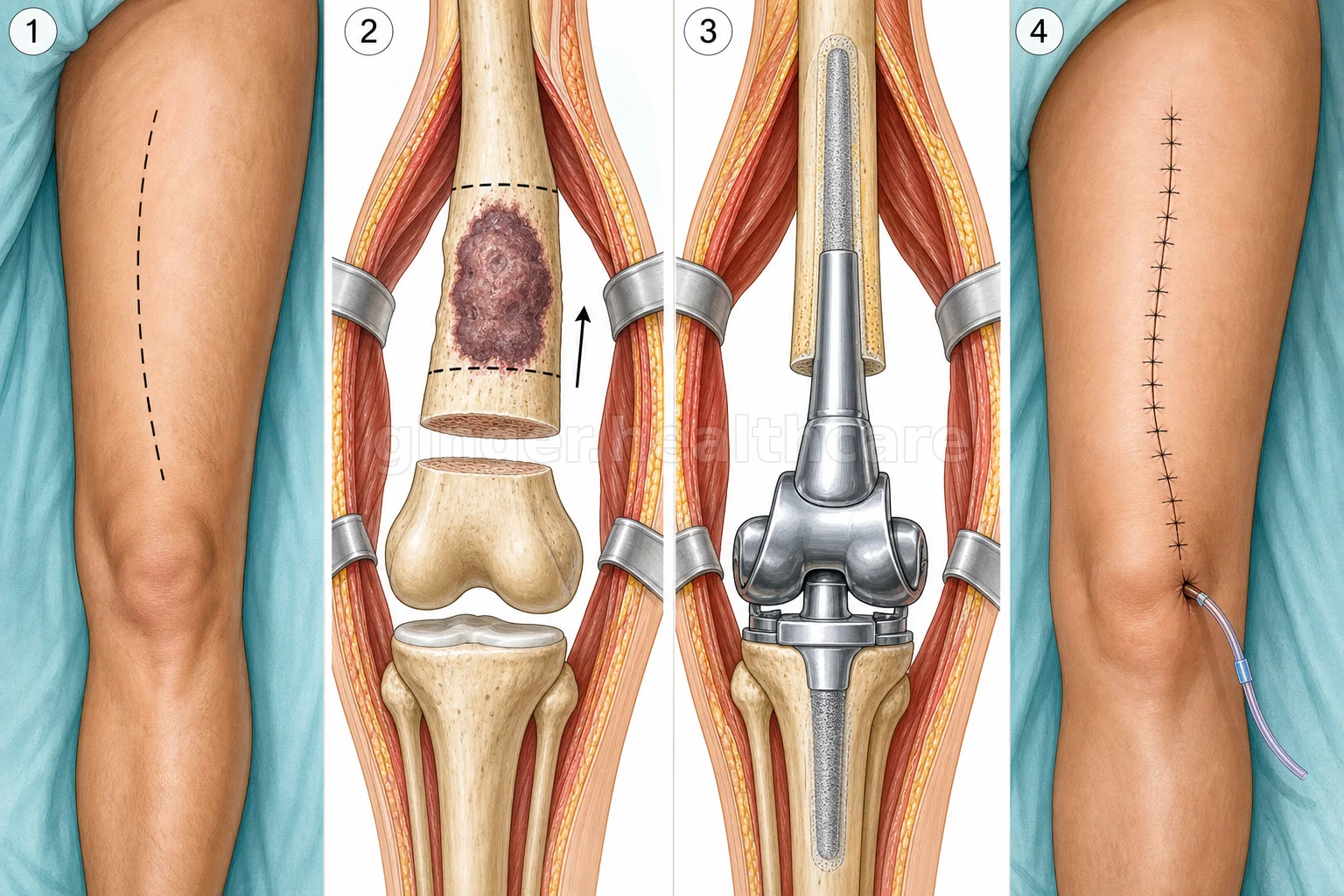
Limb Salvage Surgery In Nagpur at Asian Institute of Advanced Surgeries (AIAS) focuses on preserving a severely injured or threatened limb when possible. Complex wounds, severe infections, diabetic foot problems, tissue loss, trauma, poor circulation, and other conditions can place a limb at risk. In such situations, timely assessment can help identify suitable treatment options. Dr. Siddharth Mendiratta evaluates the affected limb, wound condition, tissue damage, circulation, infection, and overall health before recommending treatment. Based on these findings, treatment may include wound care, debridement, infection control, tissue reconstruction, skin grafting, flap procedures, or other reconstructive approaches when appropriate. The aim of Limb Preservation Surgery In Nagpur is to protect viable tissue and support useful limb function whenever medically possible. However, every case differs. Dr. Siddharth Mendiratta therefore creates a treatment plan according to the specific condition of the limb.
What Is Limb Salvage Surgery?
Limb salvage surgery refers to treatment that aims to preserve a severely damaged or threatened limb instead of removing it. The approach can involve several procedures, depending on the cause and extent of tissue damage.For example, a patient may have a complex wound after trauma. Another person may develop extensive tissue damage because of infection or a diabetic foot ulcer. Similarly, poor circulation can affect tissue survival and delay wound healing.
Therefore, limb salvage does not mean one specific operation. Instead, it describes a planned treatment approach that addresses the factors threatening the limb.
At Asian Institute of Advanced Surgeries (AIAS), Dr. Siddharth Mendiratta assesses each case individually before recommending an appropriate reconstructive strategy.
When Is Limb Salvage Considered?
Treatment may be considered for:
• Severe Foot Wounds: Complex wounds may expose deeper tissues and require reconstruction.
• Diabetic Foot Problems: Persistent ulcers can damage surrounding tissue and increase the risk of complications.
• Serious Infections: Extensive infections can threaten skin and deeper tissues.
• Severe Trauma: Accidents can cause major skin, soft-tissue, muscle, or structural damage.
• Tissue Loss: Significant tissue loss may require reconstructive procedures.
• Burn Injuries: Severe burns can damage skin and underlying tissues.
• Non-Healing Wounds: Persistent wounds may require advanced wound and reconstructive care.
• Complex Surgical Wounds: Some wounds may develop difficult healing problems after previous procedures.
However, limb salvage may not suit every situation. The treatment depends on tissue viability, infection, circulation, overall health, and other clinical factors.
Common Causes That Can Threaten A Limb For Limb Salvage Surgery In Nagpur
Several conditions can place a limb at risk. Sometimes, more than one factor contributes to the problem.
• Severe trauma or crush injuries
• Extensive tissue loss
• Diabetic foot ulcers
• Severe wound infections
• Poor blood circulation
• Deep burns
• Non-healing wounds
• Exposed bone, tendon, or other structures
• Repeated wound breakdown
• Severe soft-tissue damage
• Complications after previous treatment
As a result, early evaluation can become important when a wound shows signs of worsening or fails to heal normally.
Limb Salvage For Diabetic Foot
Diabetes can increase the risk of foot wounds. Reduced sensation may make injuries difficult to notice. Changes in circulation can also affect tissue healing.
A small blister, cut, or pressure wound can therefore become more complicated when treatment is delayed.
Limb Salvage For Diabetic Foot In Nagpur focuses on identifying the factors affecting the wound. Dr. Siddharth Mendiratta assesses the wound, surrounding tissue, infection, sensation, circulation, and overall condition.
Depending on the findings, treatment may include wound care, debridement, infection management, pressure relief, skin grafting, flap reconstruction, or other suitable procedures.
Limb Salvage For Severe Wounds
A severe wound can expose deeper tissues and create challenges for healing. When the wound involves significant tissue loss, simple wound dressing may not provide adequate coverage. In such cases, reconstruction may help protect important structures and support wound closure.
Dr. Siddharth Mendiratta evaluates the wound’s size, depth, location, and tissue condition before selecting an approach. Based on the assessment, he may recommend suitable reconstructive treatment.
Limb Salvage After Trauma
Severe accidents can damage skin, muscles, nerves, blood vessels, and other tissues. Crush injuries can also affect tissue viability.
After trauma, treatment focuses on controlling immediate problems and preserving healthy tissue when possible.
Once the condition becomes suitable for reconstruction, Dr. Siddharth Mendiratta can evaluate the remaining tissue and plan an appropriate reconstructive approach. Treatment may involve wound management, debridement, skin grafting, flap surgery, or other procedures.
Limb Salvage For Infected Wounds
A serious wound infection can spread through surrounding tissues. It may also damage skin and deeper structures.
Therefore, infection control forms an important part of limb salvage planning.
Dr. Siddharth Mendiratta first assesses the wound and the extent of tissue involvement. Depending on the findings, treatment may include wound cleaning, debridement, infection management, and reconstruction after the wound becomes suitable for coverage.
Limb Salvage And Tissue Loss
Large wounds may leave insufficient skin or soft tissue to cover exposed structures. This problem can occur after trauma, burns, infection, or extensive ulceration.
Reconstructive surgery can sometimes provide tissue coverage when simpler wound-care methods are not enough.
Depending on the wound, treatment may involve:
• Skin grafting
• Local flap reconstruction
• Regional flap reconstruction
• Other suitable tissue reconstruction
• Staged wound management
Dr. Siddharth Mendiratta selects the approach according to the wound and available healthy tissue.
Limb Salvage Assessment For Limb Salvage Surgery In Nagpur
Assessment May Include:
• Wound Size: Measures the extent of tissue loss.
• Wound Depth: Determines the layers affected by the injury.
• Tissue Viability: Checks which tissues remain healthy.
• Infection: Looks for signs of local or deeper infection.
• Circulation: Considers blood flow to the affected area.
• Sensation: Assesses nerve function when relevant.
• Movement: Reviews available limb function.
• Bone Exposure: Checks whether deeper structures remain exposed.
• Medical History: Reviews conditions that may affect healing.
• Previous Treatment: Considers earlier procedures and wound care.
Based on the findings, Dr. Siddharth Mendiratta can explain whether limb salvage may be appropriate.
Potential Benefits Of Limb Salvage Surgery In Nagpur
When appropriate, limb salvage treatment may offer several potential benefits.
• Limb Preservation: May help preserve the affected limb when medically possible.
• Tissue Protection: Reconstruction can protect exposed structures.
• Wound Coverage: Suitable techniques can provide coverage for complex wounds.
• Functional Support: Treatment may help preserve useful limb function.
• Wound Management: Surgery can address selected difficult wounds.
• Personalized Treatment: The approach can match the specific tissue defect.
• Reconstructive Care: Different techniques can address different levels of tissue loss.
However, outcomes vary between individuals. The severity of the injury, tissue condition, infection, circulation, and overall health can all influence recovery.
Recovery After Limb Salvage Surgery
Recovery varies because limb salvage procedures differ in complexity. Your recovery may depend on the wound, surgical technique, overall health, and healing response.
During recovery, you may need:
• Wound care
• Dressing changes
• Activity restrictions
• Pressure protection
• Follow-up visits
• Monitoring of the reconstructed area
• Treatment of underlying conditions
Following the recommended care plan can support recovery and help protect the treated area.
Dr. Siddharth Mendiratta explains the expected recovery process during your consultation.
How AIAS Approaches Limb Salvage ?
At Asian Institute of Advanced Surgeries (AIAS), Dr. Siddharth Mendiratta takes an individualized approach to complex wounds and limb preservation.
His assessment focuses on understanding the wound and the factors that threaten the limb.
The Approach Includes:
• Detailed Evaluation: The wound and affected limb are examined carefully.
• Cause Assessment: The underlying problem is considered before treatment.
• Tissue Assessment: Healthy and damaged tissues are identified.
• Reconstructive Planning: Suitable coverage options are considered.
• Individualized Treatment: The plan matches the patient’s condition.
• Follow-Up: Recovery and wound healing are monitored.
As a result, treatment can focus on the specific needs of the affected limb rather than using the same approach for every patient.
Frequently Asked Questions (FAQ) For Limb Salvage Surgery In Nagpur
1. What is Limb Salvage Surgery?
Limb salvage surgery aims to preserve a severely damaged or threatened limb when medically possible. Treatment may include wound care, debridement, grafting, flap reconstruction, or other procedures.
2. Who may need limb salvage treatment?
People with severe trauma, diabetic foot wounds, extensive tissue loss, serious infections, burns, or complex non-healing wounds may require evaluation for limb salvage.
3. Can limb salvage prevent amputation?
Limb salvage aims to preserve the limb when possible. However, not every case can be treated with limb preservation. The decision depends on tissue viability, infection, circulation, and overall health.
4. Can diabetic foot ulcers require limb salvage?
Yes. Severe or persistent diabetic foot ulcers can sometimes threaten the limb. Early assessment may help identify suitable treatment options.
5. What procedures can be used for limb salvage?
Treatment may include debridement, wound care, skin grafting, flap reconstruction, infection management, or staged reconstruction, depending on the condition.