Asian Institute Of Advanced Surgeries

Chronic Wound Treatment In Nagpur
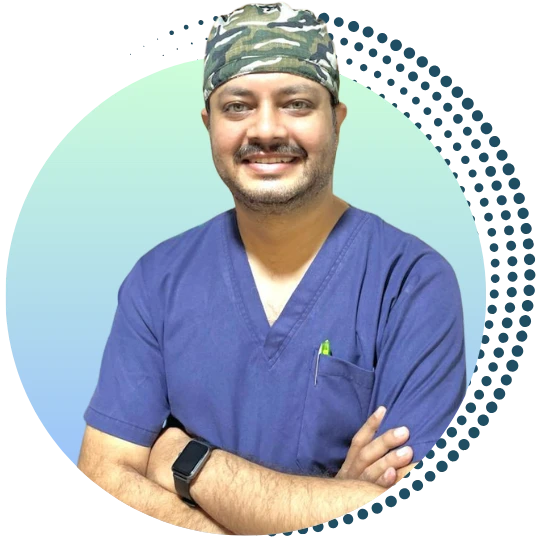
Welcome to the world of aesthetic transformation led by Dr. Siddharth Mendiratta. With a profound passion for the art and science of plastic surgery, Dr Siddharth Mendiratta is dedicated to helping individuals achieve their unique vision of beauty and confidence.

Chronic Wound Treatment In Nagpur at Asian Institute of Advanced Surgeries (AIAS) is designed for people dealing with wounds that have not healed as expected. A wound may remain open because of diabetes, poor circulation, infection, pressure, an injury, a burn, or previous surgery. Living with a wound for a long time can be uncomfortable and frustrating, especially when it causes pain, discharge, tissue loss, or difficulty with everyday activities. Dr. Siddharth Mendiratta takes a careful look at the wound and the skin around it before suggesting treatment. He considers where the wound is located, how deep it is, the condition of the surrounding tissues, blood supply, signs of infection, previous treatment, and the patient’s overall health. This helps identify what may be slowing the healing process and what type of care may be appropriate.
What Is A Chronic Wound?
A chronic wound is a wound that does not progress through normal healing as expected. Some wounds may remain open for weeks or longer and can require specialized assessment.
Common causes may include:
➤ Diabetes and diabetic foot wounds
➤ Poor blood circulation
➤ Pressure-related wounds
➤ Traumatic injuries
➤ Burn injuries
➤ Infections
➤ Previous surgical wounds
➤ Significant tissue loss
Identifying the reason for delayed healing is an important part of treatment.
Chronic Non-Healing Wound Treatment
A wound may fail to heal when the surrounding tissue cannot support normal recovery. Infection, pressure, poor circulation, damaged tissue, and underlying medical conditions can all affect healing. Dr. Siddharth Mendiratta evaluates the wound and surrounding tissues to understand these factors. Depending on the condition, treatment may involve:
➤ Wound cleaning and preparation
➤ Removal of unhealthy or dead tissue
➤ Appropriate wound care
➤ Wound closure
➤ Skin grafting
➤ Reconstructive tissue coverage
The treatment plan is selected according to the wound’s characteristics and the patient’s individual needs.
Chronic Wound Debridement
Some chronic wounds contain dead, damaged, or unhealthy tissue. Debridement involves removing this tissue when it interferes with wound healing or further treatment. Dr. Siddharth Mendiratta first assesses the wound before recommending debridement. The amount of tissue removed depends on the wound depth, location, tissue condition, and surrounding structures.
After debridement, the wound can be reassessed. If additional coverage is needed, selected reconstructive procedures may form part of the treatment plan.
Chronic Wounds And Diabetes
Diabetes can affect sensation and circulation. As a result, small foot injuries may go unnoticed or take longer to heal.
Chronic diabetic wounds may involve:
➤ Foot ulcers
➤ Persistent skin breakdown
➤ Pressure-related wounds
➤ Infected wounds
➤ Tissue loss
➤ Reduced sensation
Dr. Siddharth Mendiratta evaluates the wound, surrounding tissues, sensation, and functional requirements. Selected wounds may require surgical wound care or reconstructive treatment when routine management does not provide adequate coverage.
Chronic Wounds After Trauma
Accidents and traumatic injuries can damage the skin and deeper tissues. When significant tissue is lost, the wound may require more than simple closure.
Dr. Siddharth Mendiratta assesses:
➤ Size and depth of tissue loss
➤ Wound condition
➤ Surrounding skin and soft tissues
➤ Blood supply
➤ Nerve or tendon involvement
➤ Previous treatment
➤ Functional requirements
Based on these findings, treatment may involve wound closure, skin grafting, flap reconstruction, or other reconstructive techniques when appropriate.
Skin Grafting For Chronic Wounds
Some chronic wounds require additional skin coverage after the wound has been adequately prepared. In selected cases, skin grafting may help cover an area where direct closure is not suitable.
Before recommending grafting, Dr. Siddharth Mendiratta considers:
➤ Wound size and location
➤ Wound-bed condition
➤ Blood supply
➤ Surrounding tissue quality
➤ Presence of infection
➤ Overall health
➤ Functional needs
If skin grafting is appropriate, he explains the donor site, recipient site, healing process, possible risks, and aftercare.
Reconstructive Surgery For Chronic Wounds
Not every chronic wound requires reconstructive surgery. Some wounds can improve with appropriate wound care and treatment of the underlying cause. However, extensive tissue loss or inadequate coverage may require reconstruction.
Depending on the wound, reconstruction may include:
➤ Wound closure
➤ Skin grafting
➤ Local tissue reconstruction
➤ Flap reconstruction
➤ Selected microsurgical reconstruction
Dr. Siddharth Mendiratta selects the approach after evaluating the wound, surrounding tissues, circulation, and functional requirements.
Assessment Of Blood Supply In Chronic Wound Treatment In Nagpur
Adequate blood circulation supports tissue healing. When blood flow is reduced, a wound may heal slowly or remain open.
During the consultation, Dr. Siddharth Mendiratta assesses the wound and surrounding tissue condition. When circulation appears to be a concern, further vascular assessment may form part of the overall treatment plan.
This evaluation can help determine whether the wound is suitable for closure or reconstruction. It also helps identify factors that may need attention before surgery.
Personalized Chronic Wound Assessment In Chronic Wound Treatment In Nagpur
Every chronic wound has different characteristics. Therefore, Dr. Siddharth Mendiratta develops a treatment plan based on the patient’s specific condition.
The assessment may include:
➤ Wound size and depth
➤ Location of the wound
➤ Condition of the wound bed
➤ Surrounding skin quality
➤ Blood supply
➤ Signs of infection
➤ Previous treatment
➤ Tissue loss
➤ Functional requirements
➤ Overall health
After reviewing these factors, he explains suitable treatment options and realistic expectations.
Recovery After Chronic Wound Treatment
Recovery depends on the wound’s severity and the treatment performed. The location of the wound, tissue condition, infection, circulation, overall health, and individual healing response can also affect recovery.
Some patients may need temporary activity restrictions. Depending on the procedure, regular dressings, wound monitoring, rehabilitation, or follow-up appointments may be required.
Dr. Siddharth Mendiratta provides personalized aftercare instructions. Follow-up visits help monitor healing and identify any concerns during recovery.
Risks And Considerations In Chronic Wound Treatment In Nagpur
Chronic wound treatment can involve certain risks. The risks depend on the wound, patient’s health, tissue condition, and type of treatment.
Possible concerns may include:
➤ Infection
➤ Bleeding or swelling
➤ Delayed healing
➤ Scarring
➤ Wound breakdown
➤ Persistent wound problems
➤ Need for additional treatment
Dr. Siddharth Mendiratta discusses relevant risks before surgical treatment. He also explains the expected recovery and aftercare according to the individual condition.
Why Choose AIAS For Chronic Wound Treatment?
Asian Institute of Advanced Surgeries (AIAS) provides personalized plastic and reconstructive care for selected chronic and non-healing wounds. Dr. Siddharth Mendiratta focuses on understanding the wound and factors affecting healing before recommending treatment.
The approach includes:
➤ Detailed wound assessment
➤ Evaluation of surrounding tissues
➤ Assessment of circulation and tissue quality
➤ Individualized treatment planning
➤ Wound reconstruction when appropriate
➤ Clear explanation of treatment options
➤ Realistic discussion of expected outcomes
➤ Personalized aftercare guidance
The treatment plan is designed around the patient’s wound, functional needs, overall health, and recovery requirements.
Frequently Asked Questions (FAQ) For Chronic Wound Treatment In Nagpur
1. What Is Chronic Wound Treatment In Nagpur?
Chronic Wound Treatment In Nagpur focuses on wounds that remain open or heal more slowly than expected.
2. What Can Cause A Chronic Wound?
Chronic wounds can develop because of diabetes, poor circulation, pressure, infections, burns, trauma, previous surgery, or significant tissue damage.
3. When Should I See A Doctor For A Non-Healing Wound?
If a wound stays open, keeps producing discharge, becomes painful, develops redness or swelling, or does not show signs of improvement, it is important to have it assessed.
4. Can A Chronic Wound Heal Without Surgery?
Yes. Not every chronic wound needs surgery.
5. When Is Surgery Considered For A Chronic Wound?
Surgery may be considered when a wound has significant tissue loss, unhealthy tissue, inadequate skin coverage, or continues to remain open despite appropriate treatment.