Asian Institute Of Advanced Surgeries

Welcome to the world of aesthetic transformation led by Dr. Siddharth Mendiratta. With a profound passion for the art and science of plastic surgery, Dr Siddharth Mendiratta is dedicated to helping individuals achieve their unique vision of beauty and confidence.
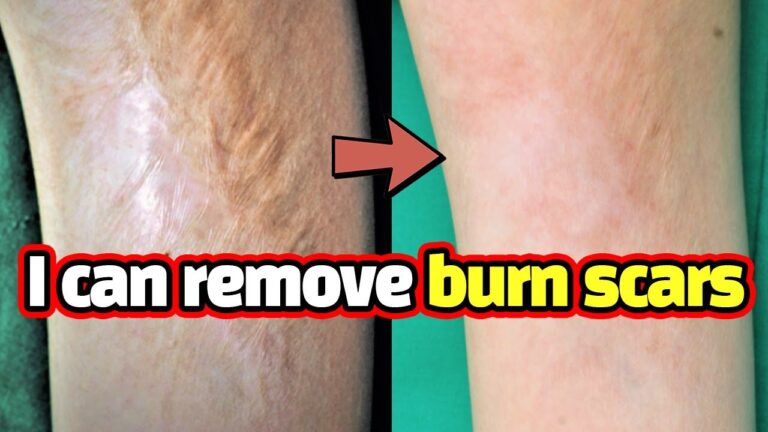
Understanding Burn Scars
When Is Burn Scar Treatment Considered?
Not every burn scar requires surgery. Over time, some scars may become softer and less noticeable, while others may continue to affect movement, comfort, or appearance.
• Significant tightness or stiffness
• Restricted movement near joints
• Noticeable changes in skin texture
• Thick or raised scar tissue
• Changes in the shape of the affected area
• Difficulty with everyday activities
• Ongoing appearance-related concerns
• Scar-related functional limitations
Before recommending treatment, Dr. Siddharth Mendiratta carefully evaluates the scar, surrounding skin, tissue condition, and functional impact. Based on this assessment, he discusses suitable treatment options and explains what improvement may realistically be expected.
Burn Scar Revision In Nagpur
Burn Scar Revision In Nagpur may be considered when a healed burn scar remains prominent, uneven, tight, or restrictive. Rather than aiming to remove the scar completely, treatment may focus on improving its appearance, flexibility, contour, or effect on movement. Dr. Siddharth Mendiratta carefully evaluates the scar’s size, location, thickness, maturity, and relationship with the surrounding tissues. Based on this assessment, he may recommend a suitable surgical or reconstructive approach. In addition, the treatment plan takes into account the patient’s expectations, daily activities, functional needs, and overall healing potential.
Treatment For Tight Burn Scars
Some burn scars can become tight as they mature. As a result, they may pull on nearby skin and make normal movement difficult. This concern can be more noticeable when a scar crosses a joint or develops near an area that requires frequent movement, such as the fingers, hand, elbow, knee, or neck. In suitable cases, reconstructive treatment may help release restrictive scar tissue and improve flexibility. Dr. Siddharth Mendiratta carefully evaluates the degree of tightness, surrounding skin, tissue flexibility, and functional limitation before planning treatment. Based on these findings, he selects an appropriate approach according to the scar’s location, severity, and effect on movement.
Burn Scar Contracture Treatment
A burn scar contracture develops when scar tissue becomes tight and restricts normal movement. Depending on its location, a contracture can affect the hands, fingers, arms, legs, neck, or other parts of the body. This tightness may make everyday activities more difficult and can limit the flexibility of nearby joints. Therefore, contracture treatment may focus on improving movement while also addressing the restrictive scar tissue. Dr. Siddharth Mendiratta carefully assesses the affected area and considers the degree of restriction, skin condition, tissue flexibility, previous treatment, and functional needs. If surgery is appropriate, he develops a personalized reconstructive plan based on the patient’s condition and treatment goals.
Burn Scar Treatment For Hands And Fingers
Burn scars on the hands and fingers can affect gripping, writing, working, dressing, and other everyday activities. In addition, tight scar tissue may make it difficult to bend or straighten the fingers fully, which can interfere with normal hand function.
Therefore, Dr. Siddharth Mendiratta carefully assesses hand and finger movement before recommending treatment. He also considers the scar’s location, tissue condition, and effect on daily activities. Depending on the individual condition, treatment may focus on releasing restrictive scar tissue, improving flexibility, restoring suitable tissue coverage, or addressing selected appearance-related concerns.
Burn Scar Treatment For Facial Areas
Burn scars on the face can be highly visible and may affect a person’s confidence. Depending on their location and severity, these scars can also change the skin’s texture, flexibility, or natural contour. As a result, some patients may have both appearance-related and functional concerns.
Therefore, facial burn scars require careful assessment before treatment. Dr. Siddharth Mendiratta evaluates the scar’s location, texture, surrounding skin, facial movement, and individual concerns before recommending a suitable approach. Based on these factors, treatment is planned to address the specific concern while maintaining natural-looking and realistic expectations.
Treatment For Burn Scars On The Body
Burn scars can develop on the chest, abdomen, back, arms, legs, or other areas of the body. Depending on their location and severity, they may affect appearance, skin flexibility, movement, or the natural contour of the affected area. In some cases, tight scar tissue can also make everyday activities uncomfortable or difficult. At Asian Institute of Advanced Surgeries (AIAS), Dr. Siddharth Mendiratta carefully evaluates the scar and surrounding tissues before discussing suitable treatment options. He considers the scar’s condition, tissue flexibility, previous treatment, and functional impact. Based on these findings, treatment may focus on scar correction, releasing restrictive tissue, improving tissue coverage, or addressing specific functional concerns.
Personalized Burn Scar Assessment
Every burn scar has its own characteristics, so a detailed assessment is an important part of treatment planning.
• Scar size and location
• Thickness, texture, and appearance
• Scar maturity and healing stage
• Flexibility of the affected skin
• Condition of the surrounding tissues
• Degree of movement restriction
• Previous treatment or surgery
• Overall health and healing factors
• Impact on daily activities
• Individual treatment goals
After completing the assessment, Dr. Siddharth Mendiratta explains suitable treatment options in clear terms. He also discusses the expected improvement, recovery, possible risks, and limitations. This approach helps patients understand what can realistically be achieved and make informed decisions about their care.
Burn Scar Treatment Options
The appropriate treatment depends on the type of burn scar and the concerns it creates. After a detailed evaluation, Dr. Siddharth Mendiratta may discuss suitable options such as:
• Surgical scar revision
• Scar release for tight tissue
• Contracture correction
• Reconstructive surgery
• Selected resurfacing treatments
• Tissue reconstruction when required
• Individualized scar management
However, not every treatment is suitable for every patient. The final approach depends on the scar’s location, size, maturity, tissue condition, movement restriction, and previous treatment. Based on these factors, Dr. Siddharth Mendiratta develops a personalized plan that addresses the patient’s specific concerns and treatment goals.
Recovery After Burn Scar Treatment
Recovery after burn scar treatment depends on the type of procedure, size and location of the scar, extent of reconstruction, and individual healing response. Therefore, each patient may have a different recovery timeline. Some patients may need to limit certain activities temporarily, while others may require exercises or rehabilitation to support movement, especially when treatment involves a joint or other functional area. During recovery, Dr. Siddharth Mendiratta provides personalized aftercare instructions based on the procedure and the patient’s needs. In addition, recommended follow-up visits help monitor healing and address any concerns as recovery progresses. Following the advised care plan can support proper healing and a gradual return to normal activities.
Why Choose AIAS For Burn Scar Treatment?
Asian Institute of Advanced Surgeries (AIAS) provides personalized plastic and reconstructive care for selected burn-related concerns.
The treatment approach includes:
• Detailed evaluation of the burn scar
• Assessment of movement and functional concerns
• Examination of surrounding skin and tissues
• Individualized treatment planning
• Clear explanation of suitable treatment options
• Realistic discussion of expected outcomes
• Personalized recovery and aftercare guidance
As a result, each treatment plan is developed around the patient’s scar characteristics, functional needs, overall condition, and individual goals rather than following a standard approach.
Frequently Asked Questions (FAQ)
1. What is Burn Scar Treatment In Nagpur?
Burn Scar Treatment In Nagpur includes procedures used to address selected burn scars, tightness, contractures, restricted movement, and appearance-related concerns.
2. Can burn scars be removed completely?
No treatment can guarantee complete scar removal.
3.Is old burn scars be treated?
Some mature burn scars may be suitable for treatment after a detailed assessment of their condition and effect on function.
4.What can burn scars restrict movement?
Yes. Tight scar tissue can restrict movement, particularly when it develops near a joint or another area that requires flexibility.
5. Can burn scar treatment improve hand movement?
In selected cases, treatment may release restrictive scar tissue and help improve hand or finger movement.
6. What treatment is suitable for burn scars?
Treatment depends on the scar’s size, location, thickness, flexibility, and functional effect.