Asian Institute Of Advanced Surgeries

Burn Injury Reconstruction In Nagpur
Welcome to the world of aesthetic transformation led by Dr. Siddharth Mendiratta. With a profound passion for the art and science of plastic surgery, Dr Siddharth Mendiratta is dedicated to helping individuals achieve their unique vision of beauty and confidence.
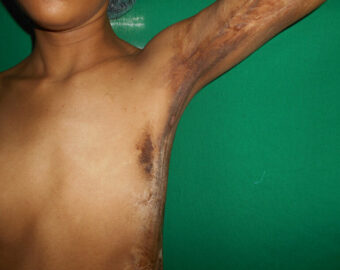
Burn Injury Reconstruction In Nagpur at Asian Institute of Advanced Surgeries (AIAS) provides personalized reconstructive care for people who experience lasting changes after burn injuries. Burns can affect the skin and deeper tissues and may leave scars, tight skin, tissue loss, changes in appearance, or restricted movement. Dr. Siddharth Mendiratta carefully evaluates the affected area before recommending a suitable treatment plan. He considers the location and extent of the burn, scar condition, surrounding skin and tissues, previous treatment, overall health, and individual functional needs. Burn-related changes can affect more than appearance. For example, tight scar tissue near the fingers, hands, elbows, knees, neck, or other joints may make movement difficult. Therefore, reconstruction may sometimes focus on improving mobility as well as addressing the appearance of the affected area. Dr. Siddharth Mendiratta explains suitable treatment options, expected outcomes, recovery, possible risks, and aftercare so patients can make informed decisions.
What Is Burn Injury Reconstruction?
Burn injury reconstruction involves surgical treatment for selected changes that remain after a burn has healed. Depending on the injury, reconstruction may address tight scars, tissue loss, contractures, wounds, or changes in the shape and function of an affected body area. Unlike routine cosmetic surgery, burn reconstruction is planned according to the damage caused by the original injury. Therefore, every treatment plan is different. Dr. Siddharth Mendiratta assesses the condition of the skin and underlying tissues before deciding whether reconstructive surgery may be appropriate.
When May Burn Reconstruction Be Considered?
Not every burn requires reconstructive surgery. Some burns heal with appropriate wound care and time, while deeper or more extensive burns may leave lasting changes. Reconstruction may be considered when these changes affect movement, function, tissue coverage, or appearance.
Burn reconstruction may be considered for:
• Tight or restrictive burn scars
• Burn-related contractures
• Significant scar formation
• Loss of skin or soft tissue
• Restricted movement near joints
• Changes in the shape of an affected area
• Persistent functional limitations
• Selected appearance-related concerns after burns
However, treatment suitability depends on the individual’s condition. A detailed assessment is important before deciding on surgery.
Burn Scar Reconstruction - Burn Injury Reconstruction In Nagpur
Burn scars can vary in size, thickness, texture, and flexibility. Some scars remain soft and flexible, while others may become thick or tight as they mature. When a scar restricts movement or causes significant changes in appearance, reconstructive treatment may be considered.
Burn Scar Reconstruction In Nagpur at AIAS is planned according to the characteristics of the scar and the surrounding tissues. Dr. Siddharth Mendiratta examines the scar’s location, size, maturity, tightness, and effect on movement. Based on these findings, he recommends an approach suited to the patient’s specific needs.
Burn Contracture Reconstruction For Burn Injury Reconstruction In Nagpur
A burn contracture occurs when scar tissue becomes tight and limits normal movement. This can be particularly troublesome when the scar develops across or near a joint. For example, a contracture affecting the hand may make it difficult to bend or straighten the fingers.
Therefore, Burn Contracture Reconstruction In Nagpur may be considered when tight scar tissue causes functional limitations. Dr. Siddharth Mendiratta evaluates the affected area, degree of restriction, surrounding skin, and tissue condition before planning treatment.The goal may be to release restrictive tissue and improve movement where possible. The expected improvement depends on the severity and location of the contracture.
Burn Reconstruction For Hand Injuries
Burn injuries involving the hand can have a significant effect on everyday activities. Tight scars may interfere with finger movement, grip, or the ability to perform precise tasks. In some cases, tissue changes can also affect the appearance of the hand.
Hand Burn Reconstruction In Nagpur is planned after a detailed assessment of the affected hand. Dr. Siddharth Mendiratta considers the location of the scar, movement of the fingers and joints, tissue condition, previous treatment, and functional requirements.
Depending on the case, reconstruction may focus on releasing tight scar tissue, restoring suitable tissue coverage, improving movement, or addressing selected appearance-related concerns.
Burn Reconstruction For Facial And Neck Scars
Burns involving the face or neck can leave noticeable scars and may sometimes affect movement. Tight scar tissue around the neck, for example, can restrict normal movement. Facial scars may also affect appearance and facial balance.
Dr. Siddharth Mendiratta evaluates the affected area carefully before recommending treatment. He considers scar characteristics, surrounding skin, tissue flexibility, functional concerns, and the patient’s expectations.
As a result, treatment can be planned according to the specific characteristics of the burn scar rather than using the same approach for every patient.
Burn Reconstruction For Body Areas
Burn injuries can affect different parts of the body, including the chest, abdomen, arms, legs, and other areas. The effect of the injury depends on its depth, size, and location. Scarring may sometimes create tightness or changes in the normal contour of the affected area.
At AIAS, Dr. Siddharth Mendiratta assesses the affected body area and surrounding tissues before developing a treatment plan. Depending on the condition, reconstruction may focus on improving tissue coverage, releasing restrictive scars, addressing functional problems, or improving the appearance of the affected area.
Personalized Burn Reconstruction Planning
Every burn injury heals differently. The final scar can be influenced by the depth of the original burn, location, healing process, treatment history, and individual skin characteristics. Therefore, reconstructive surgery needs to be planned on a case-by-case basis.
Dr. Siddharth Mendiratta considers:
• Location and size of the burn scar
• Scar thickness and flexibility
• Skin and tissue quality
• Degree of movement restriction
• Previous burn treatment
• Existing surgical scars
• Overall health
• Functional requirements
• Individual treatment goals
Based on these factors, he develops an individualized treatment plan and explains what can realistically be achieved.
What Happens During A Burn Reconstruction Consultation?
The consultation begins with a discussion about the original burn and the changes that remain today. Dr. Siddharth Mendiratta asks about previous treatment and any problems with movement, comfort, appearance, or daily activities. He then examines the affected skin and surrounding tissues. In addition, he assesses the scar’s flexibility, location, and effect on nearby structures. If reconstruction may be appropriate, he explains the available options and discusses the expected recovery and possible risks.
This detailed evaluation helps patients understand why a particular treatment may be recommended.
Treatment For Burn Scars Affecting Movement
When burn scars become tight, they may restrict normal movement. This can affect areas such as the fingers, hands, elbows, knees, neck, or other joints. As a result, a scar that initially appears to be mainly cosmetic may also create a functional problem.
In suitable cases, reconstructive surgery may help release restrictive scar tissue and improve movement. Dr. Siddharth Mendiratta evaluates the extent of the restriction and surrounding tissue condition before recommending treatment.
The expected result depends on the severity of the contracture and the condition of the affected tissues.
Recovery After Burn Reconstruction
Recovery after burn reconstruction depends on the procedure, size of the treated area, condition of the surrounding tissues, and individual healing response. Therefore, recovery timelines can vary from one patient to another.
Some patients may need to limit certain activities during the early healing period. Others may require exercises or rehabilitation to support movement, particularly when reconstruction involves a joint or functional area.
Dr. Siddharth Mendiratta provides specific aftercare instructions according to the procedure. In addition, follow-up appointments help monitor healing and address concerns during recovery.
Why Choose AIAS For Burn Injury Reconstruction?
Asian Institute of Advanced Surgeries provides personalized plastic and reconstructive surgical care for selected burn-related concerns. Dr. Siddharth Mendiratta focuses on understanding the individual injury before recommending treatment.
The approach includes:
• Detailed assessment of burn scars and affected tissues
• Individualized treatment planning
• Consideration of movement and function
• Evaluation of skin and soft tissue condition
• Clear discussion of treatment options
• Realistic expectations about results
• Guidance regarding recovery and aftercare
The goal is to create a treatment plan that considers both function and appearance according to the patient’s condition.
Frequently Asked Questions (FAQ) For Burn Injury Reconstruction In Nagpur
1. What is Burn Injury Reconstruction In Nagpur?
Burn Injury Reconstruction In Nagpur involves surgical treatment for selected changes that remain after a burn injury.
2. When is burn reconstruction needed?
Burn reconstruction may be considered when scars or tissue changes affect movement, function, tissue coverage, or appearance.
3. Can burn reconstruction improve tight scars?
Yes. In selected cases, reconstructive surgery may release tight scar tissue and help improve movement.
4. Can burn reconstruction improve hand movement?
In suitable cases, reconstruction may help address tight scars or contractures that restrict finger or hand movement.
5. Can old burn scars be treated?
Dr. Siddharth Mendiratta evaluates the scar, surrounding tissues, movement, and previous treatment before recommending an approach.