Asian Institute Of Advanced Surgeries

Trauma Reconstruction Surgery In Nagpur
Welcome to the world of aesthetic transformation led by Dr. Siddharth Mendiratta. With a profound passion for the art and science of plastic surgery, Dr Siddharth Mendiratta is dedicated to helping individuals achieve their unique vision of beauty and confidence.
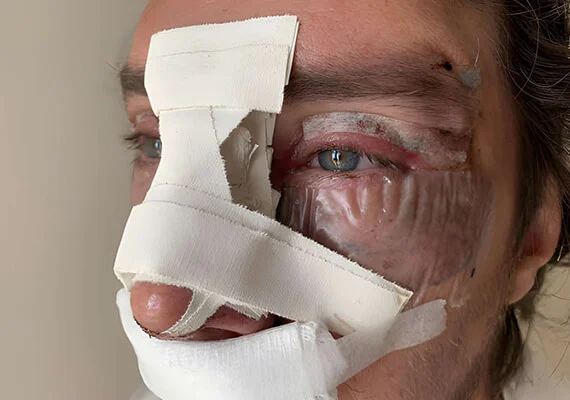
Trauma Reconstruction Surgery In Nagpur at Asian Institute of Advanced Surgeries (AIAS) provides personalized surgical care for people who experience changes in appearance or function after serious injuries. Also called Post-Trauma Reconstruction In Nagpur, Trauma Reconstructive Surgery In Nagpur, or Reconstructive Surgery After Injury In Nagpur, this treatment may be considered after road accidents, falls, crush injuries, burns, workplace injuries, or other traumatic events. Dr. Siddharth Mendiratta carefully examines the affected area and considers the extent of tissue damage, skin quality, previous treatment, overall health, and individual goals before recommending a suitable reconstructive approach. Traumatic injuries can affect more than the outer appearance of the skin. Depending on the type and severity of the injury, they may cause tissue loss, deep wounds, scars, deformity, restricted movement, or changes in the normal structure of a body part. These changes can also affect confidence and daily activities.
Personalized Trauma Reconstruction Care By Trauma Reconstruction Surgery In Nagpur
Every traumatic injury is different, so reconstruction cannot follow the same plan for every patient. The location of the injury, size of the damaged area, condition of the surrounding tissues, existing scars, previous surgeries, and overall health can all influence the treatment approach. Dr. Siddharth Mendiratta considers these factors before recommending surgery. At Asian Institute of Advanced Surgeries, the treatment plan is designed around the patient’s specific needs. Depending on the condition, reconstruction may focus on repairing damaged tissues, restoring soft tissue coverage, improving movement, correcting selected structural changes, or improving the appearance of scars. Before treatment, Dr. Siddharth Mendiratta explains the recommended procedure, expected recovery, possible risks, and aftercare. This gives patients a clearer understanding of their treatment journey.
When Is Trauma Reconstruction Considered?
Trauma reconstruction may be considered when an injury causes significant changes to the skin, soft tissues, or structure of a body part. Some injuries heal naturally with time, while others may leave changes that affect movement, appearance, comfort, or function. In these situations, reconstructive surgery may be discussed as a possible treatment option.
Trauma reconstruction may be considered for:
• Significant skin or soft tissue loss
• Deep wounds following an accident
• Severe or noticeable traumatic scars
• Tight scar tissue that restricts movement
• Tissue damage after crush injuries
• Changes in appearance after major injuries
• Hand and soft tissue injuries
• Wounds that require additional tissue coverage
• Structural changes following trauma
• Reconstructive needs after previous injury treatment
The need for surgery depends on the patient’s condition. Dr. Siddharth Mendiratta evaluates the affected area and surrounding tissues before determining whether reconstruction may be appropriate.
Trauma Reconstruction After Road Accidents
Road accidents can cause complex injuries involving the skin, soft tissues, and deeper structures. Even after the initial wound has healed, a patient may be left with scars, tissue loss, changes in shape, or restricted movement. These changes can sometimes interfere with daily activities and may require further reconstructive care.
Trauma Reconstruction Surgery In Nagpur at AIAS is planned according to the type and extent of the injury. Dr. Siddharth Mendiratta examines the affected area and reviews previous procedures before developing a treatment plan. Depending on the situation, reconstruction may focus on restoring tissue coverage, improving the appearance of an affected area, addressing tight scar tissue, or supporting better movement.
Post - Trauma Reconstruction Surgery In Nagpur
Post-trauma changes can continue to affect a person even after the initial injury has healed. Scars may become tight, tissues may lose their normal shape, or an affected body part may not function as it did before the injury. In some cases, these changes can be addressed through reconstructive surgery.
Post-Trauma Reconstruction In Nagpur at AIAS focuses on understanding the current condition rather than only the original injury. Dr. Siddharth Mendiratta assesses the skin, scars, soft tissues, movement, and structural changes before suggesting treatment. The timing and type of reconstruction depend on the injury, healing stage, previous treatment, and individual health.
Soft Tissue Reconstruction After Trauma Reconstruction Surgery In Nagpur
Soft tissue can be damaged or lost following accidents, crush injuries, burns, or other forms of trauma. When there is not enough healthy tissue to cover an affected area, reconstruction may be considered. Restoring suitable tissue coverage can be important for protecting the underlying structures and supporting healing.
At AIAS, Dr. Siddharth Mendiratta evaluates the size and location of the tissue defect, the quality of nearby skin and tissues, and the patient’s overall condition. Based on these findings, he develops an individualized surgical plan. The chosen technique depends on the patient’s anatomy and the extent of tissue damage.
Scar And Deformity Correction After Trauma
Traumatic injuries can leave scars that are raised, wide, tight, uneven, or highly visible. In some cases, scar tissue can also restrict movement or change the normal contour of the affected area. Reconstructive treatment may be considered when these changes cause functional or appearance-related concerns.
Scar Revision In Nagpur may help improve selected traumatic scars and address tight or restrictive scar tissue. Dr. Siddharth Mendiratta evaluates the scar’s location, size, texture, maturity, and relationship with surrounding tissues before recommending treatment. The aim is not necessarily to remove a scar completely but to improve its appearance or reduce its effect on movement where possible.
Hand Trauma Reconstruction In Nagpur
The hand contains many small structures that work together for movement, grip, sensation, and everyday activities. An accident can damage the skin and soft tissues and may leave scars, tissue loss, or changes in hand movement. Even a small injury can sometimes affect how the hand looks or functions. Hand Reconstruction In Nagpur at Asian Institute of Advanced Surgeries (AIAS) is planned after a careful examination of the affected hand. Dr. Siddharth Mendiratta considers several factors before recommending treatment, including:
• Location and severity of the injury
• Condition of the skin and soft tissues
• Existing scars or tissue loss
• Hand movement and function
• Previous treatment or surgery
• Individual recovery needs and treatment goals
Depending on the condition, reconstructive treatment may focus on restoring tissue coverage, reducing scar-related tightness, improving the appearance of the hand, or supporting better movement and function.
Trauma Reconstruction And Functional Restoration
Trauma can affect how a body part looks and how it works. For example, tight scar tissue may restrict movement, while tissue loss may affect normal coverage and protection. Reconstructive surgery may be considered when these changes interfere with daily activities or function.The focus of treatment depends on the individual injury. Dr. Siddharth Mendiratta evaluates the functional concerns along with the appearance of the affected area. Where possible, the treatment plan aims to address both aspects while maintaining realistic expectations.
Who May Consider Trauma Reconstruction?
Trauma reconstruction may be considered by people who have ongoing concerns following an accident, injury, burn, or other traumatic event. It may be relevant when the injury has resulted in significant scars, tissue loss, changes in shape, restricted movement, or other reconstructive concerns.
However, not every injury requires surgery. Some conditions may improve with time or other forms of care. A consultation with Dr. Siddharth Mendiratta can help determine whether reconstructive surgery may be suitable based on the current condition and treatment goals.
Trauma Reconstruction And Appearance For Trauma Reconstruction Surgery In Nagpur
A traumatic injury can change the appearance of a body part even after the wound has healed. Scars, tissue loss, uneven contours, or changes in shape may remain. These changes can affect how a person feels about their appearance.Reconstructive treatment may help improve selected appearance-related concerns. However, the result depends on factors such as the extent of the original injury, tissue condition, scar characteristics, and individual healing. Dr. Siddharth Mendiratta discusses realistic expectations before treatment.
Possible Risks And Considerations For Trauma Reconstruction Surgery In Nagpur
Like any surgical procedure, trauma reconstruction can involve certain risks. These may include bleeding, infection, swelling, changes in sensation, delayed healing, scarring, or the possibility of additional treatment. The risks vary depending on the type of injury and procedure. Dr. Siddharth Mendiratta discusses the relevant risks and limitations during the consultation. He also explains the expected recovery and factors that may influence the outcome. Understanding these considerations helps patients make an informed decision about reconstruction.
Why Choose AIAS For Trauma Reconstruction?
Asian Institute of Advanced Surgeries focuses on individualized reconstructive care. Dr. Siddharth Mendiratta evaluates each patient carefully rather than using a standard approach for every injury. He considers both the physical effects of trauma and the patient’s personal treatment goals.
The approach at AIAS includes:
• Detailed assessment of the affected area
• Individualized treatment planning
• Careful evaluation of skin and soft tissues
• Consideration of functional concerns
• Clear explanation of treatment options
• Discussion of recovery and aftercare
• Realistic expectations about outcomes
This patient-focused approach helps ensure that treatment decisions are based on the individual’s condition and needs.
Frequently Asked Questions (FAQ)
1. What is Trauma Reconstruction Surgery In Nagpur?
Trauma Reconstruction Surgery In Nagpur repairs or restores areas affected by accidents, injuries, scars, tissue loss, or trauma-related changes.
2. What injuries may need trauma reconstruction?
It may be considered after accidents, falls, crush injuries, burns, or injuries that cause significant skin or soft tissue damage.
3. Can trauma reconstruction improve accident scars?
Yes. In selected cases, it may improve the appearance of scars or reduce tight scar tissue that affects movement.
4. Can old injuries be treated with reconstructive surgery?
Yes. Some old injuries may be suitable for reconstruction after an evaluation by Dr. Siddharth Mendiratta.
5. Can trauma reconstruction improve movement?
In some cases, surgery may improve movement affected by scars, tissue loss, or structural changes.