Asian Institute Of Advanced Surgeries

Hair Transplant In Nagpur
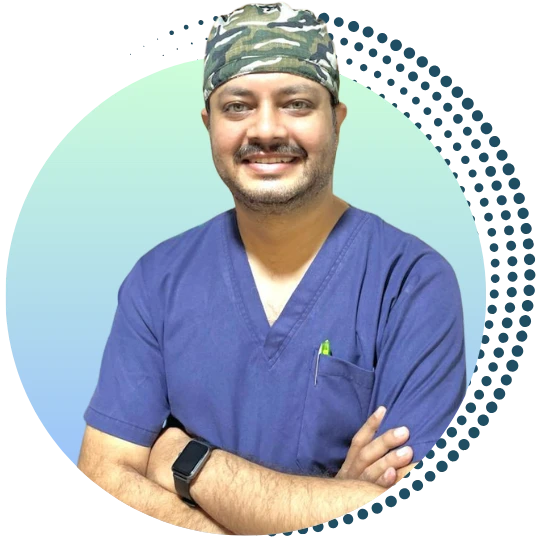
Welcome to the world of aesthetic transformation led by Dr. Siddharth Mendiratta. With a profound passion for the art and science of plastic surgery, Dr Siddharth Mendiratta is dedicated to helping individuals achieve their unique vision of beauty and confidence.
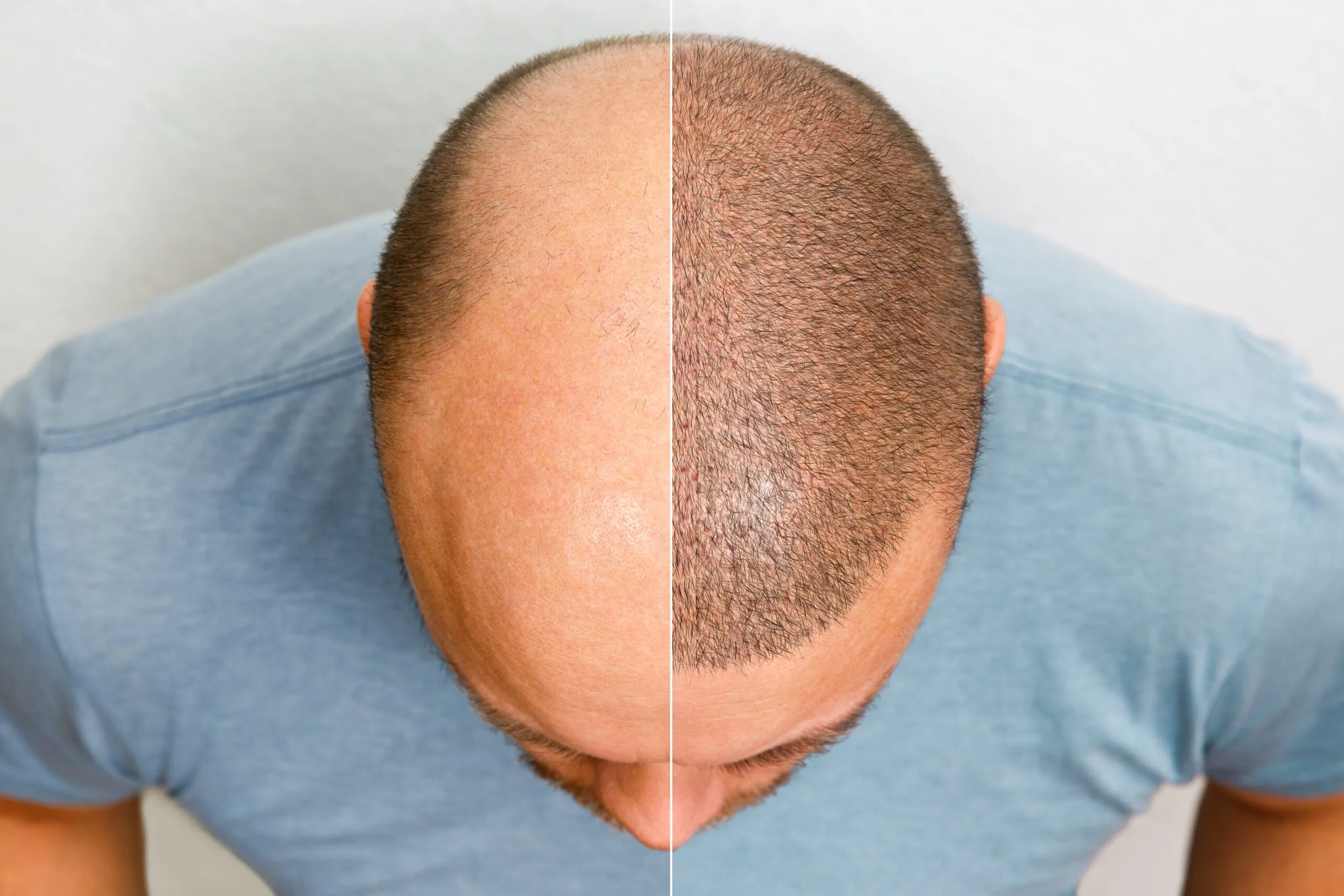
Hair Transplant In Nagpur at Asian Institute of Advanced Surgeries (AIAS) may be considered by people who are concerned about a receding hairline, visible bald patches, thinning hair, or reduced scalp coverage. Also known as Hair Restoration In Nagpur, Hair Transplant Treatment In Nagpur, Hair Transplant Surgery In Nagpur, and Hair Restoration Surgery In Nagpur, the procedure aims to restore hair in areas where density has reduced. Hair loss can develop gradually, and its pattern may vary based on genetics, ageing, hormonal changes, scalp conditions, medicines, nutrition, and other factors. Therefore, a proper assessment should come before any treatment decision. Dr. Siddharth Mendiratta evaluates your hair-loss history, scalp condition, donor-area density, hair thickness, existing growth, facial proportions, and personal expectations. He also considers how your hair loss may progress over time.
Understanding Your Hair Loss For Hair Transplant In Nagpur
When Hair Transplantation May Be Considered ?
A hair transplant may suit people who have permanent hair loss and enough healthy donor hair for transplantation. However, not every person with thinning hair needs surgery. Some forms of hair shedding can occur temporarily because of medical conditions, nutritional deficiencies, hormonal changes, stress, or certain medicines. Therefore, your doctor may first look for factors that could affect your hair growth. If transplantation appears appropriate, Dr. Siddharth Mendiratta evaluates the extent of hair loss and the amount of donor hair available. He may discuss treatment for a receding hairline, temple recession, crown thinning, localized bald areas, or selected patterns of reduced density. In addition, he considers your age and existing hair because these factors can influence long-term planning.
Planning a Hairline That Looks Natural For Hair Transplant In Nagpur
Assessing Your Donor Hair Transplant In Nagpur
Donor hair plays an important role in determining what a hair transplant can achieve. These follicles usually come from an area with stronger and more stable hair growth. However, donor density varies between individuals, and the available follicles are not unlimited. Therefore, Dr. Siddharth Mendiratta examines the donor region before planning the number and distribution of grafts. He considers hair thickness, density, coverage, and the condition of the scalp in this area. Furthermore, he looks at the relationship between your donor supply and the areas that need restoration. This assessment helps avoid unrealistic expectations about density or coverage. At AIAS, the donor area receives the same attention as the recipient area because both influence the overall restoration plan. A careful assessment can therefore help create a more practical approach to Hair Restoration In Nagpur.
Choosing the Right Hair Restoration Approach
Hairline Restoration For Hair Transplant In Nagpur
A receding hairline can change the balance between the forehead and the rest of the face. Over time, temple recession may make the forehead appear wider and reduce the framing effect of the hairline. Therefore, selected patients may consider transplantation to restore density in these areas. Dr. Siddharth Mendiratta examines the existing hairline and studies how the surrounding hair grows before planning the restoration. He also considers your facial proportions and age because these details can influence the appropriate hairline position. In addition, he reviews the available donor follicles to determine how much coverage may be realistic. The treatment does not aim to create an artificially low hairline. Instead, the plan focuses on creating a shape that works with your natural features.
When Hair Transplant May Not Be the First Choice ?
Factors That Influence Your Results For Hair Transplant In Nagpur
Several factors can influence the outcome of Hair Transplant In Nagpur, so results can vary between individuals. The availability and quality of donor hair remain especially important because the procedure depends on your own follicles. In addition, hair thickness can affect how much coverage an area appears to have after transplantation. Your existing hair density, scalp condition, extent of hair loss, and future progression can also influence the treatment plan. Therefore, Dr. Siddharth Mendiratta considers these details before discussing expected results. Your post-treatment care also matters because the transplanted area needs appropriate protection during early healing. Furthermore, major future changes in weight, health, hormones, or hair-loss pattern may affect your appearance over time. AIAS focuses on realistic planning rather than promising identical outcomes for every patient.
Understanding Hair Growth After Treatment
A hair transplant does not produce an immediate full head of hair because transplanted follicles need time to establish their natural growth cycle. Initially, some transplanted hairs may shed, while the follicles remain within the scalp. Later, new hair growth develops gradually and becomes more noticeable over time. Therefore, patience plays an important role during the restoration process. Dr. Siddharth Mendiratta can explain the expected progression based on your procedure, hair characteristics, and treatment area. In addition, factors such as donor quality, scalp health, hair thickness, and individual healing can influence how your growth develops. Every patient follows a slightly different timeline, so comparing your progress with someone else’s may create unnecessary concern. Instead, follow the care instructions provided by AIAS and attend recommended follow-up visits.
What Recovery May Feel Like For Hair Transplant In Nagpur
Recovery after a hair transplant varies from person to person and depends on the treatment approach and extent of transplantation. During the early period, you may notice scalp sensitivity, mild swelling, redness, tightness, or small crusts around the treated areas. Therefore, you should follow the scalp-care instructions provided by Dr. Siddharth Mendiratta. He can explain when and how to wash your scalp, resume normal activities, and return to exercise. In addition, you should avoid unnecessary pressure or friction on the treated areas while they heal. Some transplanted hairs may shed during the early stage, which can form part of the normal growth cycle. New hair growth develops gradually rather than immediately. As a result, you should allow sufficient time before judging the final appearance.
Preparing for Your Hair Transplant For Hair Transplant In Nagpur
Proper preparation can make your treatment journey more organized and comfortable. Therefore, Dr. Siddharth Mendiratta can consider these factors when planning your procedure. He may also provide specific instructions related to scalp care, medicines, washing, smoking, alcohol, or physical activity, depending on your individual situation. In addition, you should understand the planned treatment area and the expected recovery process before proceeding. Arranging appropriate support after the procedure can also make the initial recovery easier. At AIAS, the preparation process gives you an opportunity to ask questions and clarify any concerns before treatment. By following the instructions provided by your surgical team, you can approach the procedure with a clearer understanding of what to expect during the early healing period.
Why Choose Dr. Siddharth Mendiratta at AIAS?
Dr. Siddharth Mendiratta at Asian Institute of Advanced Surgeries focuses on individualized hair restoration planning. Therefore, the proposed approach reflects your specific hair condition and available resources. In addition, he explains the treatment process, expected growth, recovery requirements, limitations, and possible risks in clear language.
• Individual scalp and hair assessment
• Personalized hairline planning
• Donor-area evaluation
• Assessment of existing hair density
• Treatment planning based on your hair pattern
• Clear recovery instructions
• Realistic discussion of expected outcomes
Frequently Asked Questions (FAQ)
1. What is Hair Transplant In Nagpur?
Hair Transplant In Nagpur is a surgical hair restoration procedure that relocates suitable follicles from a donor area to parts of the scalp with reduced hair density. The treatment plan depends on your hair-loss pattern and donor supply.
2. Who may consider hair transplantation?
People with suitable donor hair and an appropriate pattern of permanent hair loss may consider transplantation.
3. Can a hair transplant restore a receding hairline?
Yes, selected patients may improve the appearance of a receding hairline through transplantation.
4. Does transplanted hair grow immediately?
No. The transplanted follicles need time to settle and follow their natural growth cycle.
5. How important is donor hair?
Donor hair is essential because the transplant uses your own follicles.