
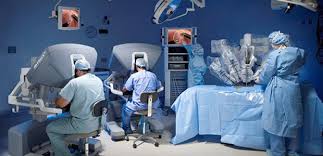
Introduction: Why Robotic Assisted Surgery in Korea Is Redefining Modern Medicine
In today’s world, orthopedic and surgical care is rapidly evolving due to the rise of advanced medical technologies. Among these innovations, robotic assisted surgery in Korea has become one of the most trusted and advanced treatment approaches for bone, joint, and complex surgical conditions.
Korea has built a strong global reputation in healthcare because of its integration of robotics, artificial intelligence, digital imaging, and high-precision surgical systems. As a result, robotic assisted surgery in Korea delivers better accuracy, reduced surgical risk, and faster recovery compared to traditional methods.
Moreover, patients from different countries prefer Korea due to its advanced hospitals and experienced surgeons. In addition, specialists such as Dr. Abhishek Bhalotia (MS Ortho, Fellow Joint Replacement – Hyd, UK), Robotic Joint Replacement Surgeon at AIAS, contribute to this advancement by using robotic systems to improve surgical precision and patient outcomes.
Therefore, robotic assisted surgery is not just a treatment method—it is a complete shift toward safer, smarter, and more personalized healthcare.
Why Robotic Assisted Surgery in Korea Is Widely Preferred
Korea is considered a global leader in robotic surgery because of its strong medical infrastructure and technology-driven healthcare system. Hospitals use robotic arms, AI-based planning tools, and high-definition imaging systems that allow surgeons to perform highly precise procedures.
Instead of relying only on manual surgical techniques, robotic assisted surgery in Korea uses digital planning to map the entire operation before it begins. This helps doctors understand bone structure, tissue condition, and surgical requirements in detail.
Because of this advanced planning system, surgical accuracy improves significantly and risks are reduced.
Key advantages include:
- Highly accurate 3D surgical planning
- AI-supported decision-making tools
- Minimal damage to muscles and tissues
- Faster healing and recovery process
- Lower risk of infection and complications
- Improved surgical consistency and precision
In addition, Korean hospitals provide structured care pathways that include diagnosis, surgery, rehabilitation, and long-term follow-up support.
Role of Dr. Abhishek Bhalotia in Robotic Assisted Surgery in Korea
A major factor behind successful robotic procedures is the expertise of the surgeon. Dr. Abhishek Bhalotia (MS Ortho, Fellow Joint Replacement – Hyd, UK) is a highly experienced robotic joint replacement surgeon at AIAS.
He has advanced international training in orthopedic surgery and robotic systems, which helps him handle complex cases with precision. His approach focuses on restoring natural movement, reducing pain, and improving long-term joint function.
He specializes in:
- Robotic joint replacement surgeries
- Complex orthopedic reconstruction
- Revision knee and hip surgeries
- Sports injury management
- Minimally invasive bone procedures
- Post-surgical rehabilitation planning
Because of his experience, patients receive highly structured treatment plans designed for long-term recovery and improved mobility.
How Robotic Assisted Surgery in Korea Works
Robotic assisted surgery is not a fully automatic process. Instead, it is a surgeon-guided system that improves precision, safety, and control during surgery.
First, detailed scans such as CT or MRI are taken. These scans create a 3D digital model of the patient’s affected area. Based on this model, surgeons create a customized surgical plan.
During the operation, robotic systems assist the surgeon by guiding movements, ensuring precision cuts, and maintaining correct alignment. However, the surgeon remains fully in control throughout the procedure.
Step-by-step process:
- Advanced imaging and diagnostic evaluation
- AI-based 3D surgical planning
- Digital simulation of the procedure
- Robotic-assisted surgical execution
- Precise bone or tissue correction
- Final alignment and stability verification
In addition, real-time feedback from robotic systems helps improve accuracy during every stage of surgery.
Conditions Treated with Robotic Assisted Surgery in Korea
Robotic assisted surgery is used for a wide range of orthopedic and surgical conditions that require high precision and accuracy.
Common conditions include:
- Severe osteoarthritis
- Rheumatoid arthritis
- Hip and knee joint degeneration
- Sports injuries (ACL, ligament tears)
- Bone fractures and trauma cases
- Joint deformities and stiffness
- Degenerative musculoskeletal disorders
These conditions often cause pain, stiffness, and reduced mobility. Therefore, robotic assisted surgery in Korea provides a long-term and effective solution for restoring function.
Procedure of Robotic Assisted Surgery in Korea (Detailed Expansion)
Before surgery, doctors perform a complete evaluation using imaging tests and physical examination. This helps in designing a personalized treatment plan.
During surgery, robotic systems assist in performing precise movements, especially in delicate areas such as joints and bones.
Main steps include:
- Patient diagnosis and pre-surgical assessment
- Digital surgical planning using AI tools
- Creation of 3D surgical roadmap
- Robotic-assisted execution of surgery
- Bone correction or implant placement
- Final alignment and joint stability testing
Because of this structured approach, surgical accuracy improves significantly, and recovery becomes smoother.
Recovery After Robotic Assisted Surgery in Korea (Expanded Phase-Wise Care)
Recovery is one of the most important parts of the treatment process. Since robotic surgery causes less damage to tissues, healing is usually faster and smoother.
Phase 1: Immediate Recovery (0–3 Days)
Patients begin light movement within 24–48 hours. Pain is managed using advanced medical protocols.
Phase 2: Early Recovery (1–3 Weeks)
Walking improves gradually, and physiotherapy sessions begin to restore strength and flexibility.
Phase 3: Mid Recovery (1–2 Months)
Daily activities become easier. Swelling reduces and joint movement improves.
Phase 4: Full Recovery (3–6 Months)
Patients regain near-normal strength, stability, and mobility.
Moreover, structured rehabilitation programs in Korea ensure safe and consistent recovery progress.
Advantages of Robotic Assisted Surgery in Korea (Expanded)
Korea offers several advanced benefits that make it a global leader in robotic surgery.
Key advantages include:
- Extremely precise surgical execution
- Reduced post-operative pain
- Faster rehabilitation and healing
- Minimal blood loss during surgery
- Lower complication rates
- Better long-term joint performance
- High patient satisfaction levels
In addition, hospitals provide continuous monitoring and follow-up care for better outcomes.
Why Patients Trust Robotic Assisted Surgery in Korea
Patients trust Korea because of its advanced medical technology, experienced surgeons, and consistent surgical success rates.
Moreover, robotic systems reduce uncertainty in surgery, which increases confidence among patients.
At the same time, surgeons like Dr. Abhishek Bhalotia provide personalized care, clear communication, and structured recovery support.
Therefore, robotic assisted surgery in Korea is widely accepted as a safe and reliable treatment option worldwide.
Future of Robotic Assisted Surgery in Korea (Expanded Vision)
Medical technology in Korea continues to evolve rapidly. In the future, robotic surgery will become even more advanced with AI and machine learning integration.
Future developments include:
- Fully AI-guided robotic surgical systems
- Smart implants with real-time tracking
- Predictive healing and recovery models
- Advanced robotic precision control systems
- Regenerative and tissue repair technologies
Because of these innovations, surgery will become more accurate, less invasive, and highly personalized.
Frequently Asked Questions (FAQs)
1. What is robotic assisted surgery in Korea?
It is a surgeon-controlled robotic procedure used to improve accuracy in bone, joint, and soft tissue surgeries.
2. Why is Korea popular for robotic surgery?
Because of advanced technology, skilled surgeons, and high success rates.
3. Who is Dr. Abhishek Bhalotia?
He is an MS Ortho, Fellow Joint Replacement (Hyd, UK), and robotic joint replacement surgeon at AIAS.
4. Is robotic assisted surgery safe?
Yes, it is very safe due to precision technology and surgeon control.
5. How long does recovery take?
Most patients recover within a few weeks to a few months depending on the procedure.
6. What is the advantage over traditional surgery?
Better accuracy, faster recovery, and fewer complications.
7. When can patients return to normal life?
Most patients resume normal activities within a few weeks after recovery.
Conclusion
In conclusion, robotic assisted surgery in Korea represents a major advancement in modern medical care. It combines robotic precision with expert surgical skill to deliver safe, accurate, and long-lasting results.
With experienced specialists like Dr. Abhishek Bhalotia (MS Ortho, Fellow Joint Replacement – Hyd, UK), Robotic Joint Replacement Surgeon at AIAS, patients receive world-class treatment focused on restoring movement, reducing pain, and improving overall quality of life.
Therefore, choosing robotic assisted surgery in Korea ensures a safer procedure, faster recovery, and a stronger return to an active and healthy life.
Book Appointment with Dr. Abhishek Bhalotia at AIAS
If you are experiencing joint pain, limited mobility, or considering advanced joint replacement options, scheduling a consultation with Dr. Abhishek Bhalotia, MS Ortho, Fellow Joint Replacement (Hyd, UK), Robotic Joint Replacement Surgeon, can help you explore the most precise and effective treatment solutions. Early evaluation ensures that your symptoms are addressed before they affect daily activities and long-term joint health.
Consultations are available at the Asian Institute of Advanced Surgeries (AIAS) in Nagpur, where Dr. Bhalotia provides a thorough orthopedic assessment, reviews your medical history, evaluates joint function, and discusses lifestyle and activity factors. This helps in creating a tailored plan for robotic-assisted or conventional joint replacement, depending on your needs.