
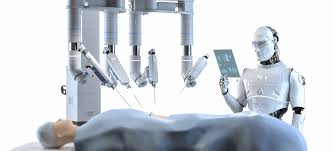
Introduction: Evolution of Robotic Joint Replacement in Korea
Joint diseases such as osteoarthritis, rheumatoid arthritis, cartilage degeneration, and post-traumatic joint damage have become increasingly common due to aging populations, sports injuries, obesity, and lifestyle changes. Because of this rising global burden, Robotic Joint Replacement in Korea has emerged as one of the most advanced and reliable orthopedic solutions in modern medicine.
Moreover, Korea has positioned itself as a global leader in robotic orthopedic surgery due to its integration of artificial intelligence, digital imaging systems, and highly precise robotic platforms. As a result, Robotic Joint Replacement in Korea is no longer just a surgical procedure but a highly refined, technology-driven treatment approach that ensures accuracy, safety, and long-term functional recovery.
In addition to this, international patients increasingly choose Korea because of its combination of advanced infrastructure and experienced orthopedic surgeons. Furthermore, specialists like Dr. Abhishek Bhalotia (MS Ortho, Fellow Joint Replacement – Hyd, UK) at AIAS bring international fellowship training and deep expertise in robotic-assisted joint reconstruction. Therefore, patients benefit from a treatment system that combines global knowledge with cutting-edge surgical innovation.
Consequently, robotic joint replacement has transformed from a conventional surgery into a highly personalized and precision-based orthopedic solution that restores mobility, reduces pain, and significantly improves quality of life.
Why Robotic Joint Replacement in Korea Is a Global Standard
To begin with, Korea has developed one of the most advanced orthopedic ecosystems in the world. Hospitals are equipped with robotic surgical arms, 3D pre-operative planning software, and AI-based diagnostic systems that allow surgeons to operate with exceptional precision.
Moreover, Robotic Joint Replacement in Korea ensures that every surgical step is digitally planned before the operation begins. This reduces uncertainty and improves surgical accuracy significantly. As a result, implant positioning becomes more precise, joint alignment improves, and long-term outcomes are far more predictable.
In addition to this, robotic systems assist surgeons by providing real-time feedback during surgery. Therefore, even the smallest anatomical variations are accounted for, which minimizes complications and enhances implant longevity.
Key advantages include:
- AI-assisted pre-surgical planning
- Robotic-arm guided precision surgery
- Minimal bone and tissue damage
- Lower risk of surgical error
- Faster post-operative recovery
- Improved joint alignment accuracy
Furthermore, Korea’s healthcare system emphasizes patient safety, infection control, and post-surgical rehabilitation, making it a preferred destination for international orthopedic care.
Role of Dr. Abhishek Bhalotia in Robotic Joint Replacement in Korea
When discussing advanced orthopedic excellence, Dr. Abhishek Bhalotia (MS Ortho, Fellow Joint Replacement – Hyd, UK) stands out for his expertise in robotic joint replacement and complex reconstructive surgeries at AIAS.
Moreover, his international fellowship training in joint replacement surgery provides him with advanced exposure to global orthopedic standards and modern surgical techniques. In addition, his approach is based on precision medicine, where every treatment is customized according to the patient’s anatomy, mobility level, and severity of joint damage.
He specializes in:
- Robotic knee replacement surgery
- Robotic hip replacement surgery
- Complex joint reconstruction procedures
- Revision joint replacement surgeries
- Minimally invasive orthopedic techniques
- Post-operative rehabilitation optimization
Furthermore, his clinical focus is not only on performing successful surgeries but also on ensuring long-term mobility restoration and functional independence. Therefore, patients undergoing Robotic Joint Replacement in Korea under his care experience highly structured, result-oriented treatment journeys.
In addition, his integration of robotic systems with surgical expertise ensures that patients receive highly accurate implant placement and improved biomechanical outcomes.
Understanding Robotic Joint Replacement Technology
To begin with, robotic joint replacement is not fully automated surgery. Instead, it is a surgeon-controlled robotic-assisted system that enhances precision, safety, and accuracy during the procedure.
Moreover, this technology works by creating a detailed 3D model of the patient’s joint before surgery. This allows surgeons to analyze bone structure, alignment, and wear patterns in advance. As a result, every surgical movement is carefully planned and executed with robotic assistance.
How robotic joint replacement works:
- Advanced imaging scans create a 3D joint model
- AI-based software analyzes joint damage
- Surgical plan is digitally customized
- Robotic arm assists bone preparation
- Surgeon performs implant placement with precision control
- Real-time feedback ensures accuracy during surgery
In addition, this system significantly reduces human error and ensures consistent surgical outcomes across different patient profiles.
Furthermore, robotic systems preserve healthy bone and soft tissue more effectively than traditional methods, leading to faster healing and improved joint function.
Conditions Treated with Robotic Joint Replacement in Korea
Robotic joint replacement is typically recommended when joint damage becomes severe and non-surgical treatments no longer provide relief.
Common conditions include:
- Advanced osteoarthritis causing cartilage loss
- Rheumatoid arthritis leading to joint inflammation
- Avascular necrosis affecting bone blood supply
- Severe hip or knee deformities
- Post-traumatic joint degeneration
- Long-term joint stiffness and immobility
Moreover, these conditions often lead to chronic pain, difficulty walking, and reduced independence in daily activities. Therefore, Robotic Joint Replacement in Korea becomes a highly effective solution for restoring movement and improving quality of life.
In addition, early intervention helps prevent further deterioration of surrounding muscles and ligaments, ensuring better long-term outcomes.
Robotic Knee Replacement in Korea
To begin with, robotic knee replacement is one of the most widely performed procedures in modern orthopedic surgery.
Moreover, it restores natural knee alignment by ensuring precise positioning of implants based on individual anatomy.
Key benefits include:
- Natural knee movement restoration
- Improved joint stability and balance
- Reduced post-surgical pain
- Faster return to walking and daily activity
- Long-term implant durability
In addition, patients experience improved range of motion due to accurate ligament balancing performed during robotic-assisted surgery.
Robotic Hip Replacement in Korea
In addition to knee procedures, robotic hip replacement is widely performed for patients suffering from severe hip joint degeneration.
Moreover, robotic systems ensure precise implant positioning, which plays a critical role in long-term stability and mobility.
Advantages include:
- Accurate hip alignment correction
- Improved walking ability and posture
- Reduced muscle trauma during surgery
- Faster rehabilitation process
- Long-lasting joint stability
As a result, Robotic Joint Replacement in Korea provides highly reliable outcomes for hip reconstruction patients.
Procedure of Robotic Joint Replacement in Korea
To begin with, the procedure starts with detailed diagnostic imaging and surgical planning. Moreover, every step is digitally mapped before surgery begins.
Step-by-step process:
- Pre-operative 3D scanning and imaging
- AI-based surgical planning
- Robotic-assisted bone preparation
- Precise implant positioning
- Real-time surgical adjustments
- Final alignment verification
Furthermore, surgeons like Dr. Abhishek Bhalotia ensure that robotic assistance is combined with clinical expertise for maximum precision.
As a result, surgical outcomes become more predictable, stable, and long-lasting.
Recovery After Robotic Joint Replacement in Korea
Recovery is significantly faster compared to traditional surgery due to minimal tissue damage and precise surgical execution.
Recovery process includes:
- Early mobilization within 24–48 hours
- Assisted walking with support devices
- Structured physiotherapy sessions
- Muscle strengthening exercises
- Gradual return to daily activities
In addition, continuous monitoring ensures safe recovery progression and reduces the risk of complications.
Moreover, patients often regain functional independence much earlier due to advanced rehabilitation protocols.
Advantages of Robotic Joint Replacement in Korea
Korea offers several key advantages that make it a global destination for robotic orthopedic surgery.
Major benefits include:
- Extremely high surgical precision
- Reduced risk of complications
- Faster healing and recovery
- Minimal blood loss during surgery
- Improved implant alignment
- Long-term joint functionality
Moreover, the combination of robotic technology and expert surgeons ensures consistent and highly successful outcomes.
Why Patients Trust Robotic Joint Replacement in Korea
Patients trust Korea because of its strong medical infrastructure, advanced surgical systems, and experienced orthopedic specialists.
In addition, transparent treatment protocols and structured rehabilitation programs further improve confidence in treatment outcomes.
Furthermore, surgeons like Dr. Abhishek Bhalotia ensure personalized care and long-term follow-up support, which enhances patient satisfaction.
Therefore, Robotic Joint Replacement in Korea is widely recognized as a safe and effective orthopedic solution.
Future of Robotic Joint Replacement in Korea
Looking ahead, robotic orthopedic surgery in Korea is expected to evolve further with AI integration, machine learning, and regenerative medicine.
Moreover, future advancements will include:
- Fully AI-guided robotic surgeries
- Smart implants with real-time tracking
- Predictive recovery systems
- Enhanced tissue regeneration technologies
As a result, joint replacement procedures will become even more precise, minimally invasive, and patient-friendly.
Frequently Asked Questions (FAQs)
1. What is robotic joint replacement in Korea?
It is a surgeon-controlled robotic-assisted procedure for knee and hip replacement with high precision.
2. Why is Korea famous for robotic joint replacement?
Because of advanced robotics, AI systems, and highly skilled orthopedic surgeons.
3. Who is Dr. Abhishek Bhalotia?
He is an MS Ortho, Fellow Joint Replacement (Hyd, UK) and robotic joint replacement surgeon at AIAS.
4. Is robotic surgery safe?
Yes, it is highly safe due to precision technology and surgeon supervision.
5. How long is recovery after robotic joint replacement?
Most patients recover within a few weeks to months depending on condition.
6. What is the main advantage over traditional surgery?
Higher accuracy, faster recovery, and better long-term outcomes.
7. Can patients walk after surgery?
Yes, most patients begin walking within 1–2 days.
Conclusion
In conclusion, Robotic Joint Replacement in Korea represents the future of orthopedic surgery, combining advanced robotics with expert surgical skill. Moreover, it ensures high precision, faster recovery, and long-term joint stability.
Ultimately, with specialists like Dr. Abhishek Bhalotia (MS Ortho, Fellow Joint Replacement – Hyd, UK) at AIAS, patients receive world-class orthopedic care focused on restoring mobility, reducing pain, and improving quality of life.
Therefore, choosing robotic joint replacement in Korea ensures not just surgery, but complete transformation in movement, independence, and long-term joint health.
Book Appointment with Dr. Abhishek Bhalotia at AIAS
If you are experiencing joint pain, limited mobility, or considering advanced joint replacement options, scheduling a consultation with Dr. Abhishek Bhalotia, MS Ortho, Fellow Joint Replacement (Hyd, UK), Robotic Joint Replacement Surgeon, can help you explore the most precise and effective treatment solutions. Early evaluation ensures that your symptoms are addressed before they affect daily activities and long-term joint health.
Consultations are available at the Asian Institute of Advanced Surgeries (AIAS) in Nagpur, where Dr. Bhalotia provides a thorough orthopedic assessment, reviews your medical history, evaluates joint function, and discusses lifestyle and activity factors. This helps in creating a tailored plan for robotic-assisted or conventional joint replacement, depending on your needs.